

Maddy summarySB 636 prohibits Oklahoma state and local government entities from using public funds for activities opposing Second Amendment rights. It bans spending on publicity, materials, or lobbying efforts aimed at defeating or restricting gun-related legislation, regulations, or taxes at federal or state levels. The bill defines using public employees, property, or time for such purposes as "expenditure of public funds" and includes exemptions for elected officials, neutral testimony, and personal opinions. Violations carry a misdemeanor penalty of up to $1,000 or one year in jail. The law takes effect November 1, 2025.
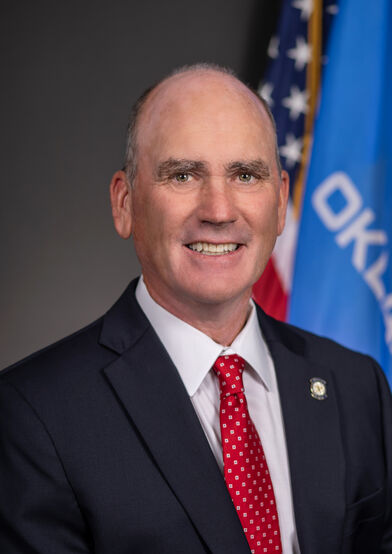
Sen. Jerry Alvord
Sponsored bills
Maddy summarySB 636 prohibits Oklahoma state entities, political subdivisions, and their contractors from using public funds for any activity opposing Second Amendment rights. Specifically, it bans spending public money on anti-gun rights propaganda, materials opposing gun-related legislation or regulations, or hiring lobbyists to influence such laws. The bill defines public property, employee time, or resources as "public funds" and exempts elected officials, neutral testimony, and personal opinions. Violations carry misdemeanor penalties including up to $1,000 fines or 1 year in jail. The law takes effect November 1, 2025.
Maddy summarySB 449 modifies Oklahoma county rainy day fund rules to allow more flexible use of these emergency savings. It permits counties to use up to 25% of the fund balance to supplement the general budget when current revenue falls below the previous year's budget, and up to 12.5% to cover unexpected revenue shortfalls (with a 10% emergency cap for urgent needs). The bill maintains a 50% cap on fund size relative to the prior year's budget and requires clear budget line items for all transfers. This directly affects all Oklahoma counties by expanding how they can access their emergency savings for budget stability.
Maddy summarySB 468 requires municipalities in Oklahoma counties with over 450,000 residents (per the latest federal census) to send electronic copies of building permits to county assessors within 30 days of issuance. This applies to all building permits issued within those municipalities' boundaries. The bill takes effect on November 1, 2025, and mandates electronic submission where feasible, aiming to improve data sharing between local governments and county assessors.
Maddy summaryHB 1202 amends Oklahoma's sales and use tax rules by reducing the required retention rate for businesses from 1% to 0.5% of collected taxes. This change directly affects retailers and vendors who collect sales tax at the point of sale, requiring them to hold less money in reserve for tax remittance. The bill modifies a technical provision in existing tax law without altering tax rates or broad policy. It is currently in committee referral after initial readings and remains a procedural adjustment to tax administration. The amendment aims to simplify compliance for businesses handling tax collections.
Maddy summarySB 587 requires Oklahoma public school districts to provide mandatory instruction in human growth and development for students in grades 9-12 starting with the 2025-2026 school year. The bill specifies that this instruction must include human biology related to pregnancy, fetal development inside the womb, a 3-minute high-definition ultrasound video showing early fetal organ development, and a computer-generated animation of fertilization and pregnancy stages. School districts may integrate this content into existing courses, and the law takes effect July 1, 2025. This bill directly affects all Oklahoma high school students in grades 9-12 and school districts statewide.
Maddy summarySB 819 changes how Oklahoma courts review agency decisions. It requires courts to interpret state laws and agency rules themselves (instead of accepting agency explanations) and to favor interpretations that limit agency power and protect individual rights when uncertain. The bill also prohibits civil penalties in cases where a jury trial would be available for similar private disputes. This directly affects individuals or businesses challenging agency actions and the agencies themselves facing legal reviews.
Maddy summarySB 617 requires all new Oklahoma state agency rules to automatically expire one year after implementation unless renewed. Agencies must submit renewal requests 4-6 months before expiration, including a cost-benefit analysis, and publish these requests online. The Legislature can approve renewals via joint resolution or repeal rules anytime before expiration. This affects all state agencies creating permanent rules, ensuring regular legislative review of administrative rules. The bill takes effect November 1, 2025.
Maddy summarySB 467 amends Oklahoma law to clarify when county commissioners may discuss certain matters privately without triggering the Oklahoma Open Meeting Act. It allows commissioners to discuss administrative, operational, and procedural topics (like scheduling, staffing, or internal processes) during meetings where a quorum is present, provided they take no official action. The bill also exempts regular meetings with county employees about county management and allows commissioners to attend conferences or events without public notice, as long as no official action is taken. These changes directly affect county commissioners and county employees in Oklahoma, making meeting procedures more flexible while maintaining public transparency for formal decisions. The bill takes effect upon passage.
Maddy summarySB 819 amends Oklahoma's Administrative Procedures Act to change how courts review agency decisions. It requires courts to interpret statutes and rules themselves ("de novo") without deferring to agency explanations, and mandates that courts resolve ambiguities in favor of limiting agency power and protecting individual rights. The bill also prohibits civil penalties in agency enforcement actions that would otherwise qualify for a jury trial under common law. These changes apply to all administrative proceedings and take effect November 1, 2025. The bill directly affects courts, state agencies, and individuals challenging agency actions.