

Maddy summaryHB 1832 clarifies rules for electronic monitoring in Oklahoma's long-term care facilities, directly affecting residents of nursing homes, assisted living centers, intermediate care facilities, and continuum of care facilities. The bill requires facilities to obtain written consent from residents or their representatives before monitoring resident rooms and prohibits refusing admission or removal based on monitoring. It also mandates facilities to post notices about monitoring and allows residents to install their own monitoring devices with roommate consent. The law prohibits unauthorized monitoring, tampering with devices, and sharing recordings without consent, ensuring privacy protections for residents.
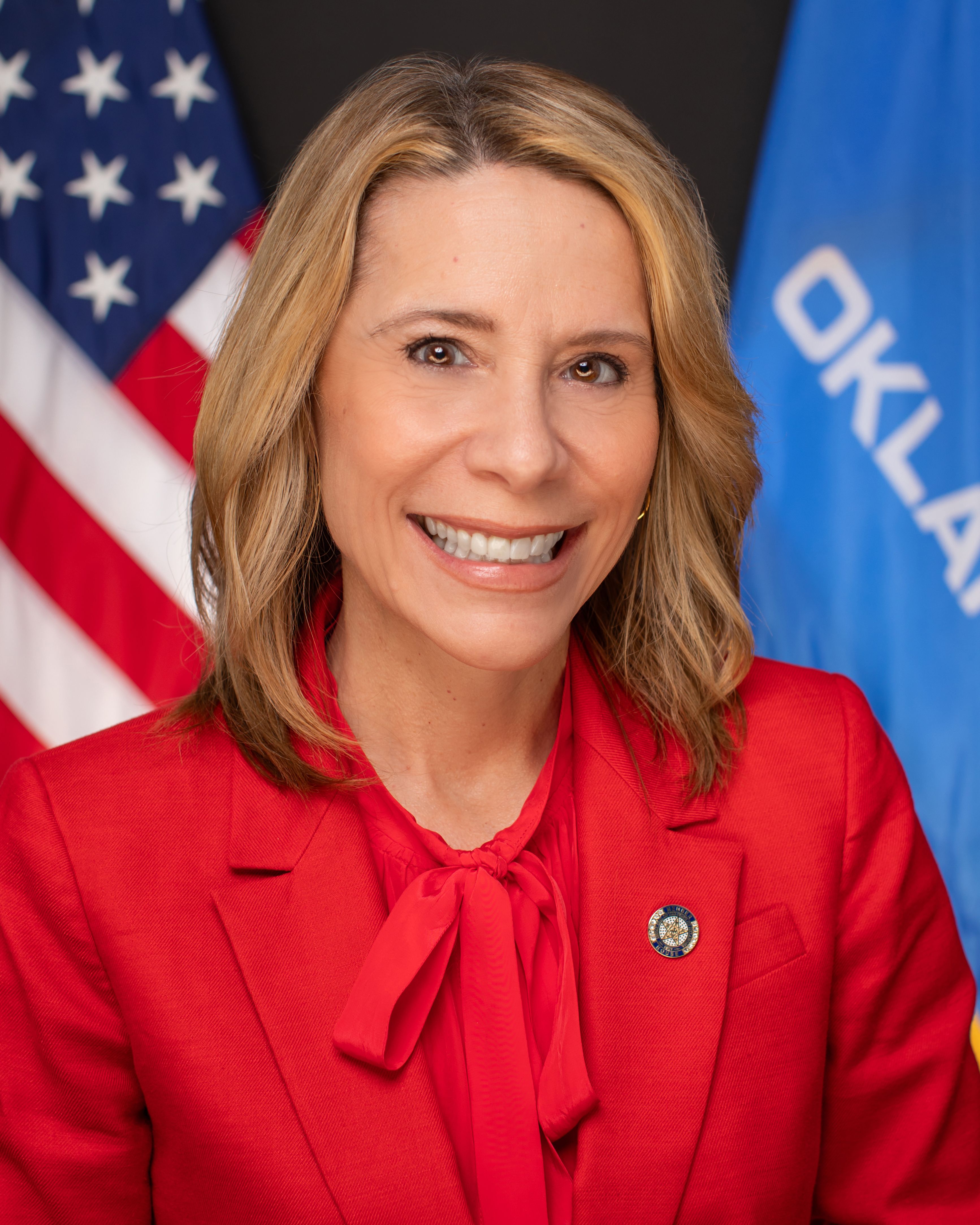
Rep. Ellyn Hefner
Sponsored bills
Maddy summaryThis bill (HB 1837) protects Oklahoma residents using Achieving a Better Life Experience (ABLE) accounts by exempting these funds from being seized for debts or used to calculate eligibility for public assistance. Specifically, it ensures ABLE account balances cannot be claimed by creditors, garnished, or used to determine benefits under programs like Temporary Assistance for Needy Families. It also prevents Medicaid from seeking repayment from these accounts after a beneficiary's death. The law applies to both Oklahoma-established ABLE accounts and those from other states, effective November 1, 2025.
Maddy summaryHB 1836 amends Oklahoma law to define key terms for the State Use Program, which governs state procurement from organizations employing people with significant disabilities. It specifies that qualified nonprofits must employ at least 50% people with significant disabilities (including blind individuals) in direct production work, and defines terms like "manufactured," "processed," and "assembled" for procurement purposes. The bill establishes a "Central nonprofit agency" (CNA) to oversee the program, with the Office of Management and Enterprise Services approving the procurement schedule. It takes effect on November 1, 2025, directly affecting state agencies purchasing goods/services from participating disability-focused nonprofits.
Maddy summaryHB 1831 creates Oklahoma's first formal certification system for community health workers, establishing voluntary certification through the State Department of Health. It defines key terms, sets eligibility (Oklahoma residency, 18+ years old, U.S. residency, and 1,000 hours work experience option), and requires the Department to set standards, exams, and fees. The law specifically enables certified workers to serve as health liaisons, identify service gaps, and build community health capacity - while also authorizing partnerships with faith-based organizations for outreach. The certification becomes effective November 1, 2025, and does not require mandatory certification for workers.
Maddy summaryHB 1832 amends Oklahoma law to establish rules for electronic monitoring in long-term care facilities, including nursing homes, assisted living centers, and intermediate care facilities. The bill requires facilities to obtain written consent from residents (or their representatives) before monitoring a resident's room and to post clear signage about monitoring at facility entrances. It allows residents to install their own monitoring devices in their rooms with roommates' written consent and mandates that facilities provide room changes if a roommate objects. The law also prohibits tampering with monitoring devices and unauthorized interception of communications, with penalties for violations.
Maddy summaryThis bill protects funds in Oklahoma's Achieving a Better Life Experience (ABLE) accounts from being seized for debts or garnishment. It also prevents these funds from counting toward eligibility for state assistance programs like Temporary Assistance for Needy Families (TANF) or other means-tested benefits. The exemption applies to both Oklahoma-established ABLE accounts and accounts from other states. The law takes effect on November 1, 2025.
Maddy summaryHB 1831 creates a voluntary certification program for community health workers in Oklahoma through the Oklahoma Community Health Workers Act. It establishes standards for certification, requiring applicants to be Oklahoma residents, 18+, and meet work experience or training criteria, while defining their core duties like connecting communities to health services and identifying resource gaps. The State Department of Health will set certification rules, fees, and partnerships with faith-based organizations to support outreach in underserved areas. The law takes effect November 1, 2025.
Maddy summaryHB 1836 amends Oklahoma Statutes to clarify definitions for the State Use Program, which governs state procurement from organizations employing people with disabilities. It defines key terms like "qualified nonprofit agency" (requiring at least 50% of direct labor hours from people with significant disabilities) and "State Use Advisory Council." The bill directly affects state agencies purchasing goods/services and nonprofit organizations seeking to participate in the procurement program. These definitions ensure consistent application of the program, enabling state agencies to source products from eligible organizations that meet the labor requirements. The changes take effect November 1, 2025.
Maddy summaryHB 1482 adds car wash membership fees to Oklahoma's taxable sales list. Specifically, it requires sales tax on "dues or fees for car wash memberships, clubs, or any other type of periodic payment plans for the use of automatic tunnel car washes." This change affects car wash businesses offering recurring membership plans and their customers, who will now pay tax on these membership fees. The bill does not impact one-time car wash services or other types of memberships.
Maddy summaryHB 1482 proposes to amend Oklahoma's sales tax code to include "dues or fees for car wash memberships, clubs, or any other type of periodic payment plans for the use of automatic tunnel car washes" as taxable services. This would require car wash businesses offering recurring membership plans (e.g., monthly fees for automatic tunnel car wash access) to charge the state's 4.5% sales tax on those payments. The bill specifically targets periodic payment arrangements for automatic tunnel car washes, expanding the existing tax coverage beyond one-time service fees. If passed, it would generate new tax revenue for the state from this specific business model, affecting car wash operators with membership programs.