

Maddy summaryHB 3911 directs Oklahoma's Medicaid agency to amend its federal 1915(c) waiver with CMS to expand coverage for postsecondary support (such as job training or education programs) under Home and Community-Based Services (HCBS) waivers. This change would directly affect Oklahomans receiving HCBS through Medicaid who need postsecondary support to maintain independence in community settings. The bill requires the Oklahoma Health Care Authority to formally update the waiver agreement with federal authorities. The amendment would take effect November 1, 2026.
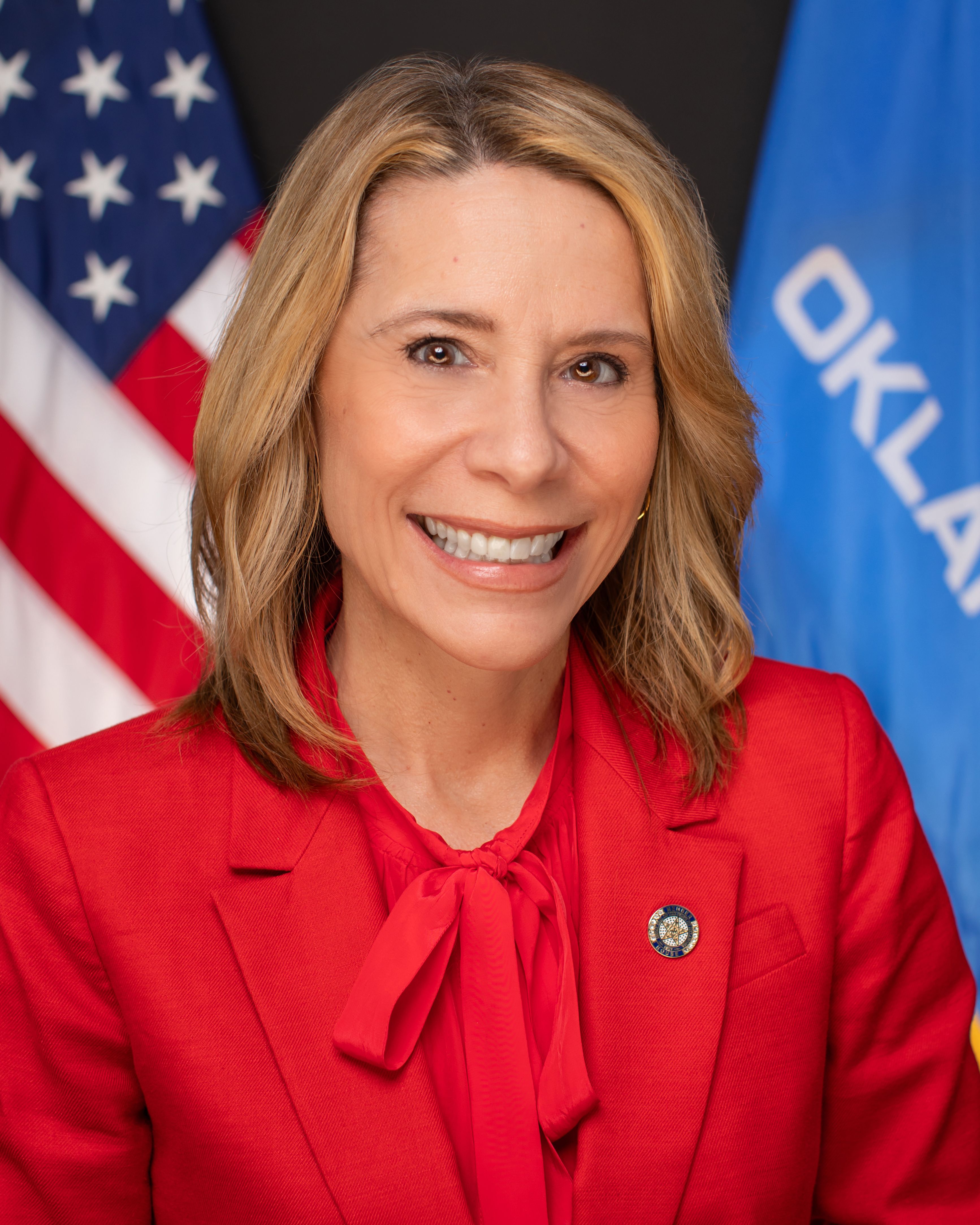
Rep. Ellyn Hefner
Sponsored bills
Maddy summaryHB 3909 updates Oklahoma divorce and custody laws to better protect children. It requires courts to appoint child advocates (guardians ad litem) who must follow a new standard operating manual on child welfare, domestic violence, and best practices. The bill mandates full disclosure of qualifications, disciplinary history, and criminal records for all court-appointed experts (including advocates), and prohibits parties from waiving these disclosure requirements. These changes directly affect parents, judges, and professionals handling child custody cases in Oklahoma.
Maddy summaryHB 1834 creates the "Inhofe Disaster Savings Account Act" in Oklahoma, allowing homeowners to set up tax-advantaged savings accounts specifically for covering insurance deductibles or self-insured losses related to qualifying disasters (hurricanes, tornadoes, floods, etc.) at their primary residence. Homeowners can deduct contributions from state taxable income (with limits based on their insurance deductible: $2,000 max for deductibles ≤$1,000, up to $15,000 or twice the deductible for higher deductibles, or $350,000 for self-insured), and all interest earned in the account is exempt from state income tax. Withdrawals are tax-free if used for qualified disaster expenses (declared by federal/state authorities), but otherwise become taxable income with a 2.5% penalty, and accounts pass tax-free to surviving spouses upon death. The law takes effect January 1, 2026, targeting Oklahoma homeowners seeking disaster financial preparedness.
Maddy summaryHB 1834 creates the "Inhofe Disaster Savings Account Act" in Oklahoma, allowing homeowners to establish tax-advantaged savings accounts specifically for covering hurricane, flood, tornado, or hail-related insurance deductibles and proactive home protection costs for their primary residence. Taxpayers can deduct contributions up to specified limits (e.g., $2,000 for low deductibles, up to $15,000 or twice the deductible for higher amounts, or $350,000 for self-insured homeowners) and earn tax-exempt interest on these accounts. Distributions used for qualified disaster expenses (declared by federal or state authorities) are not taxed, but other withdrawals incur a 2.5% penalty. The bill takes effect January 1, 2026, and directly affects Oklahoma homeowners with primary residences in high-risk weather zones.
Maddy summarySB 424 creates Oklahoma's first state-level certification program for community health workers, establishing voluntary standards and oversight. It defines community health workers as trusted frontline staff who connect communities to health services and outlines their key roles: helping individuals access resources, supporting employment/education, identifying service gaps, and building community health capacity. To qualify, applicants must be Oklahoma residents aged 18+, U.S. citizens or permanent residents, and meet minimum standards set by the State Department of Health (which may waive education/exam requirements for those with 1,000+ hours of work experience). The law requires the Department of Health to create certification rules, including examination procedures, renewal criteria, and fee structures, effective November 1, 2025.
Maddy summarySB 424 establishes Oklahoma's first state-level certification program for community health workers (CHWs), creating the Oklahoma Community Health Worker Act. It sets voluntary certification standards for CHWs who provide health education, navigation, and support in underserved communities, directly affecting CHWs and the patients they serve. The bill defines training requirements and practice standards to ensure consistent, quality care while allowing CHWs to earn a recognized credential. This law becomes effective upon enactment, aiming to formalize and support the CHW workforce.
Maddy summaryHB 1833 creates a task force to study Oklahoma's current system of paying subminimum wages to workers with disabilities under special certificates. The task force will directly affect disabled workers currently earning less than the state minimum wage through these certificates. Key provisions require the task force to include specific stakeholders (like disability advocates and employers), complete its work by November 2027, and submit recommendations to the legislature. The bill mandates a formal review of whether the subminimum wage system remains appropriate or needs reform.
Maddy summaryHB 1833 establishes the "Rethinking Paying Subminimal Wage to Persons with Disabilities Task Force." This task force is created to examine current labor practices and wages specifically for individuals with disabilities. The bill outlines the task force's purpose, details its required membership, and mandates reporting requirements. An amendment to the bill extended the deadline for the task force's work or reporting to November 1, 2027.
Maddy summaryThis concurrent resolution (HCR 1014) encourages Oklahoma businesses, state agencies, organizations, and residents to voluntarily turn off exterior lighting during April, May, September, and October - peak migration months for birds. It aims to reduce bird disorientation and collisions with buildings caused by artificial light, which contributes to bird mortality. The resolution supports Oklahoma’s participation in the "Lights Out Oklahoma" campaign, aligning with similar efforts in other states. It does not create new laws or requirements but expresses legislative support for this voluntary conservation practice.
Maddy summaryHCR 1014 is a concurrent resolution that supports reducing bird mortality in Oklahoma. It encourages Oklahoma businesses, state agencies, organizations, and residents to turn off exterior lighting during the high bird migration months of April, May, September, and October to help birds navigate safely.