

Maddy summaryHB 2796 establishes the Oklahoma Disaster Mitigation and Recovery Matching Fund within the State Treasury, administered by the Oklahoma Department of Commerce. The bill creates nine separate accounts within the fund, with one account divided equally into two subaccounts to provide funding directly to cities, towns, or unincorporated areas through designated local entities. Key provisions require that no entity access more than one account per fiscal year, limit total annual spending per account to available funds, and prohibit using any funds for department salaries or administrative costs. The law became effective May 29, 2025, without a governor's signature, ensuring immediate availability of these funds for disaster recovery efforts.
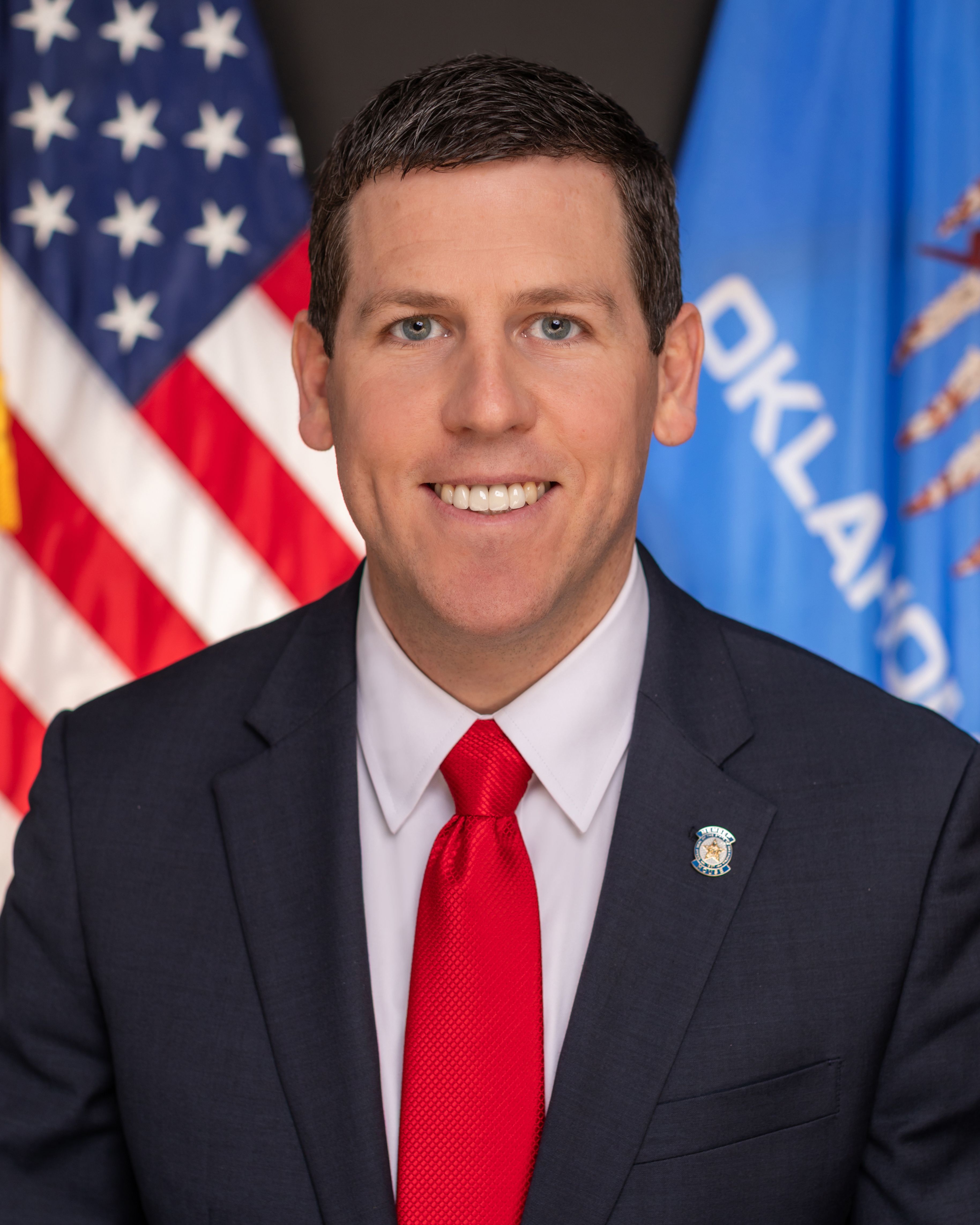
Rep. Rob Hall
Sponsored bills
Maddy summaryHB 2773 allocates $250 million from Oklahoma's Legacy Capital Financing Fund to Oklahoma State University Veterinary Medicine Authority (OSUVMA) for constructing, refurbishing, or expanding animal teaching hospitals and related facilities. The funds become available after July 1, 2026, with repayment structured as 20-year recapitalization payments starting in the 2026 state fiscal year. This bill directly benefits OSUVMA by enabling facility improvements for veterinary education and care, using existing state capital funds without creating new state obligations.
Maddy summaryHB 2774 allocates $200 million from Oklahoma's Legacy Capital Financing Fund to the University Hospitals Authority for constructing, refurbishing, or expanding facilities dedicated to pediatric heart care. It directly affects the University Hospitals Authority, enabling them to build or upgrade specialized centers for diagnosing and treating children with heart conditions. The bill specifies that funds must be used solely for this purpose, with recapitalization payments beginning in the 2026 state fiscal year. The legislation becomes law without gubernatorial action, effective May 29, 2025.
Maddy summaryHB 2792 creates the "Progressing Rural Economic Prosperity Fund" (PREP Fund) as a continuing fund in Oklahoma, meaning it won't expire with fiscal years. The bill ensures specific existing appropriations - totaling $118.85 million from previous legislative sessions - continue funding rural economic projects without being subject to lapse. These funds support projects previously authorized under bills like HB 1016 and HB 1017 (2023), including infrastructure, business development, and community initiatives in rural Oklahoma. The law also allows the Legislature to reallocate funds as needed while preserving the original project allocations.
Maddy summaryHB 2784 creates the Emergency Medicine Revolving Fund to preserve Medicaid supplemental payments for specific hospitals. It directly affects Oklahoma hospitals with American College of Surgeons Level 1 trauma centers, particularly those owned, operated, or partnered with the Oklahoma State University Medical Trust or University Hospitals Trust (including facilities in Oklahoma City and Tulsa). The bill requires annual certification by the Oklahoma State University Medical Authority to ensure trauma centers meet standards for receiving these payments, while also clarifying agreements between medical authorities and healthcare providers. Key provisions include maintaining existing Medicaid funding streams for teaching hospitals, trauma centers, and affiliated medical school providers, and directing the Oklahoma Health Care Authority to develop plans to sustain these payments through federal waivers or state plan amendments.
Maddy summaryHB 2777 allocates $20 million from Oklahoma's Opioid Lawsuit Settlement Fund to the state's Opioid Abatement Revolving Fund for opioid-related programs, and $1.25 million to local governments that did not sue opioid manufacturers. The bill directs these funds to be used for opioid abatement efforts, such as treatment and prevention services, without requiring new taxes. It becomes effective July 1, 2025, and was signed into law on May 29, 2025. The legislation uses existing settlement funds rather than creating new spending.
Maddy summaryHB 2791 allocates specific funds from Oklahoma's Statewide Recovery Fund to the Department of Human Services (DHS) for pandemic-related project costs originally funded under HB 2884. It provides $195,000, $328,000, and $5 million to cover increased expenses for three separate projects, requiring DHS to use these funds per recommendations from the Joint Committee on Pandemic Relief Funding. The bill creates special accounts for these funds with strict rules: DHS may retain no more than 2% for administration costs, must submit quarterly reports to the pandemic relief committee, and must appear before the committee within six months of the law's effective date. These provisions ensure transparency and accountability for how pandemic relief funds are budgeted, spent, and managed.
Maddy summaryHB 2765 renames Oklahoma's "Cash Management and Investment Oversight Commission" to the "Invest in Oklahoma Board" and establishes a new program allowing state retirement systems and other specified public funds (like teachers' and firefighters' retirement systems) to invest up to 5% of their assets in Oklahoma-based venture capital, private equity, and growth funds. The bill requires these investments to be approved by the new board, sets criteria for selecting investment advisors (including local investment experience), and eliminates some existing reporting requirements. It directs state funds toward local economic development while maintaining oversight for investment safety and returns. The program aims to channel public investment into Oklahoma businesses through a structured, board-approved process.
Maddy summaryHB 2764 establishes a framework for determining when Oklahoma can reduce income tax rates based on state revenue levels. It requires the State Board of Equalization to annually certify five-year average revenue amounts from oil, natural gas, and corporate income taxes. If projected revenue exceeds these averages, specific portions (100% for oil/gas, 25% to a reserve fund and 75% to a stabilization fund for corporate tax) must be deposited into state funds. This bill directly affects Oklahoma taxpayers paying these specific taxes and sets the revenue thresholds that would trigger future income tax rate reductions. The law was approved by the Governor on May 28, 2025.
Maddy summaryHB 2781, the Reindustrialize Oklahoma Act of 2025 (ROA-25), creates a new economic development program offering rebates to qualifying manufacturing businesses. It requires applicants to commit to $2 billion in capital investments and create at least 700 new jobs in the first year (rising to 1,000+ annually), targeting businesses in manufacturing sectors (NAICS 31-33). The Oklahoma Department of Commerce administers the program, disbursing rebates from a dedicated fund (ROA-25 Beneficiary Revolving Fund) after verifying job creation and capital spending. The bill prohibits recipients from also claiming other state incentives like the Quality Jobs Program for the same project. The act was approved by the Governor on May 28, 2025.