

Maddy summaryHB 2767 transfers $180 million from the Perform Fund and $75 million from the Oklahoma Department of Commerce’s appropriations to the ROA-25 Revolving Fund. The bill requires these funds to be budgeted and spent in accordance with existing law, without specifying new spending purposes. It is a procedural bill focused solely on fund reallocation, directly affecting state treasury operations and the designated revolving fund. The bill passed unanimously on May 20, 2025, with no policy changes beyond the fund transfers.
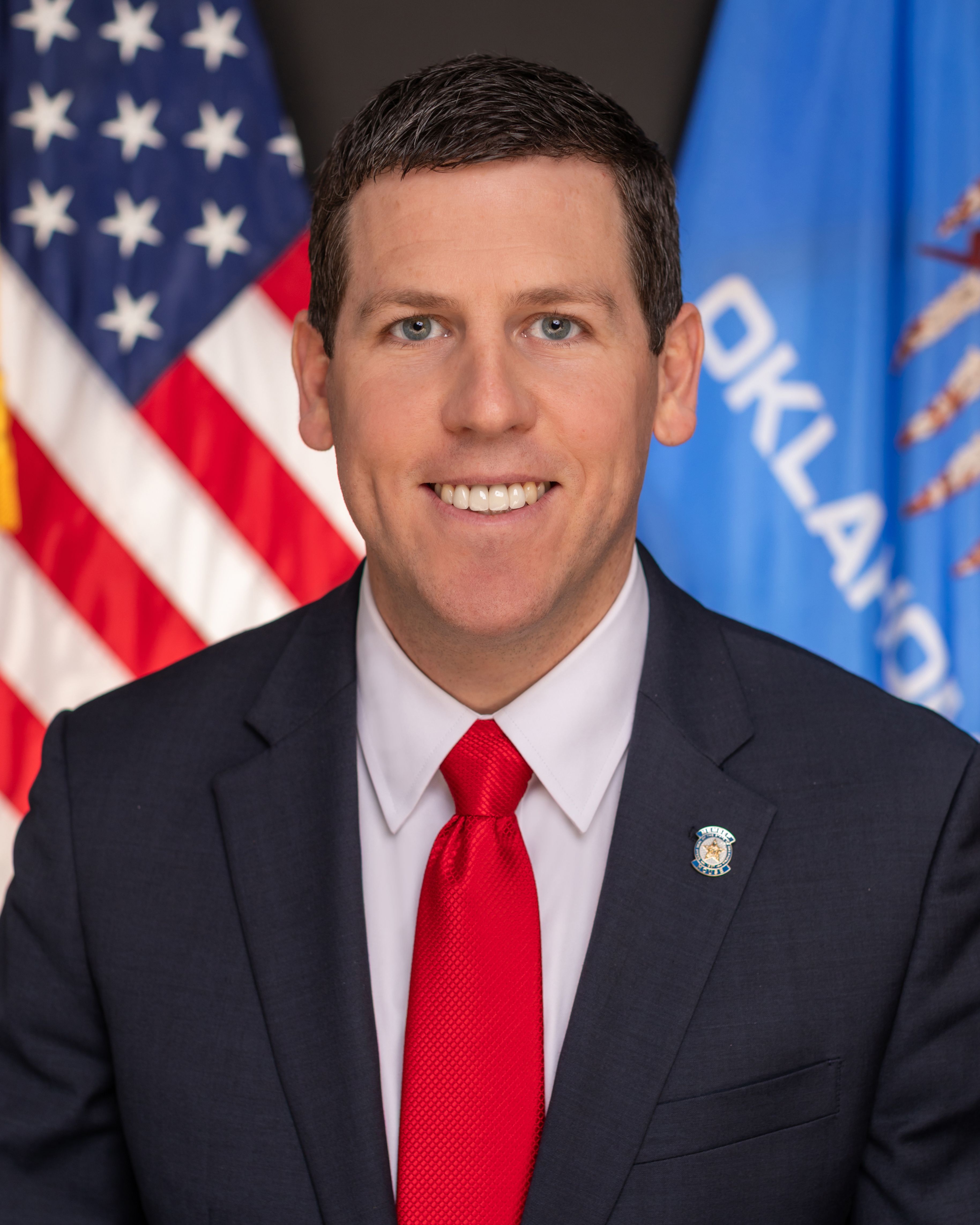
Rep. Rob Hall
Sponsored bills
Maddy summaryHB 2673 creates a dedicated "Oklahoma Museum of Popular Culture Supplemental Revolving Fund" in the state treasury to finance repairs, construction, and improvements for the Oklahoma Museum of Popular Culture. The fund requires $18 million in verified commitments from local governments, federal sources, or donations (excluding funds collected before May 25, 2023) before any spending can occur. Unspent funds must be transferred to the General Revenue Fund by November 15, 2025, if the $18 million threshold isn’t met. This bill directly affects the Oklahoma Historical Society (which operates the museum) and state budget management, with the fund becoming effective November 1, 2025.
Maddy summaryHB 2151, the "Federal Education Guidance Disclosure Act," requires Oklahoma's State Department of Education to post federal education guidance documents (like memos or bulletins) online within 15 days of receipt, unless they contain sensitive or confidential information. The department must create a dedicated website within 90 days of the law's effective date (November 1, 2025), featuring hyperlinks to all posted documents. It also mandates that rescinded federal guidance remain accessible online with clear notices of rescission and the rescission date. This law directly affects the State Department of Education's public disclosure practices, making federal education policy interpretations more accessible to the public without altering actual education policies.
Maddy summaryHB 2744 reappropriates $20 million to the Oklahoma Department of Commerce for facility upgrades at a central Oklahoma state fair location, continuing funds originally allocated for projects like arena connectors, electrical infrastructure, and livestock event facilities. The bill directly affects state fair operations and the Department of Commerce by ensuring existing funding for these specific infrastructure improvements remains available. It does not create new policy but restates and continues the original appropriation without additional conditions. The bill became law on May 13, 2025, without governor approval.
Maddy summaryHB 1124 modifies Oklahoma's Statewide Recovery Fund to specify that funds from the federal American Rescue Plan Act (specifically sections for coronavirus capital projects and state/local recovery funds) will be directed to this fund, excluding money designated for local governments. It clarifies that all interest earned on these deposits will also be added to the fund. The bill ensures these funds are available for broadband-related projects without requiring new appropriations. It takes effect November 1, 2025, and became law without the governor's signature on May 12, 2025.
Maddy summaryHB 2297 requires Oklahoma's Service Oklahoma to establish a driver license reciprocity agreement with Ireland. The agreement must ensure Irish driver license standards meet Oklahoma's requirements and mandate that Irish drivers comply with Oklahoma's mandatory auto insurance laws. This directly affects Irish residents operating vehicles in Oklahoma under the agreement. The bill became law on May 8, 2025, with no Governor's signature needed.
Maddy summaryHCR 1009 is a procedural concurrent resolution (not a bill) passed by the Oklahoma legislature. It urges Oklahoma's U.S. congressional delegation to support the federal **Credit for Caring Act**, which would provide working family caregivers with a $5,000 annual tax credit to offset caregiving costs. The resolution highlights that Oklahoma has 490,000 family caregivers contributing $6.6 billion in unpaid care annually, facing significant out-of-pocket expenses. It does not create new state law but advocates for federal action to support caregivers.
Maddy summaryHB 2087 modifies Oklahoma's income tax credit for donations to qualified research institutes. It adjusts annual funding caps: for biomedical research institutes, the limit drops from $2 million to $1.5 million per year starting in 2026, while cancer research institute credits are capped at $500,000 annually. The credit percentage for each donation type is recalculated yearly based on prior-year claims, using specific formulas to stay within these new limits. Taxpayers donating to qualifying nonprofit biomedical or cancer research institutes (defined by NIH funding requirements) can claim the credit, with individual limits of $1,000-$25,000 depending on filing status or business type.
Maddy summaryHB 2043 requires Oklahoma state agencies to verify that companies receiving contracts worth $100,000+ (with 10+ full-time employees) do not boycott energy companies. It mandates written verification from contractors that they will not boycott energy providers during the contract term. The law excludes contracts related to debt management or if alternative services aren't available from non-boycotting companies. This policy directly affects state agencies and qualifying businesses entering major public contracts.
Maddy summaryHB 2285 creates the Evacuation Vehicle Access Corridor Revolving Fund (EVAC Fund) to support construction of emergency evacuation routes in Oklahoma counties. It establishes a grant program allowing counties with landlocked areas (defined as regions with 2,000+ residents and only one or two road access points) to apply for funds to build new or improve existing access corridors. Eligible counties must demonstrate a material need for corridor construction, and grants cannot exceed the total funds in the EVAC Fund. The bill aims to improve public safety by ensuring reliable evacuation routes for residents in geographically isolated areas.