

Maddy summaryHB 2790 appropriates $10 million from Oklahoma's Statewide Recovery Fund to the Office of Juvenile Affairs for pandemic-related programs. It creates special accounts for these funds with no annual spending limits, requiring all use to align with recommendations from the Joint Committee on Pandemic Relief Funding and the American Rescue Plan Act of 2021. The bill limits administrative costs to 2% of funds and mandates quarterly reports to the Joint Committee on Pandemic Relief Funding detailing budgeting, spending, and third-party contracts. It directly affects the Office of Juvenile Affairs' management of these pandemic relief funds.
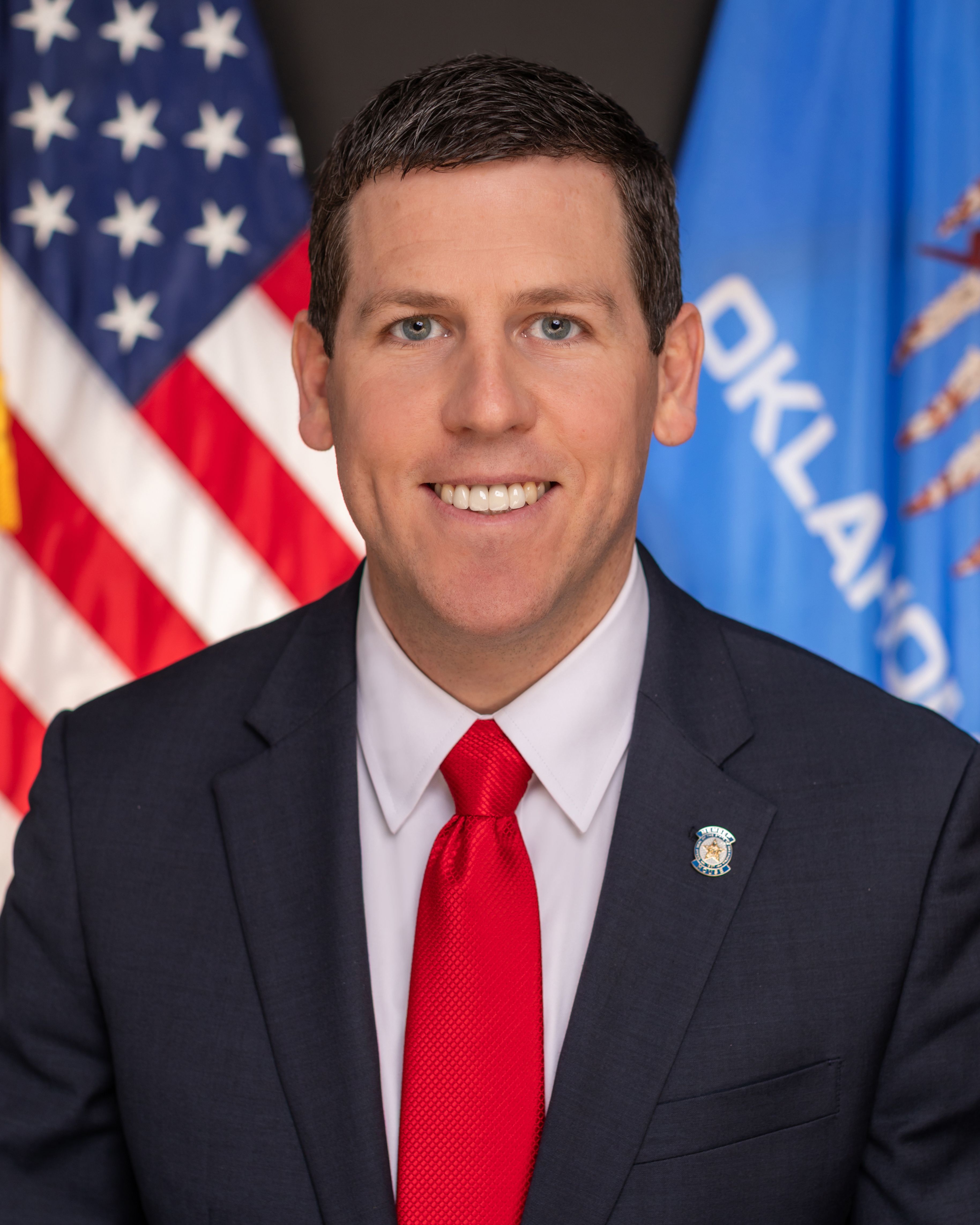
Rep. Rob Hall
Sponsored bills
Maddy summaryHB 2788 transfers specific funds back into Oklahoma's Statewide Recovery Fund from several existing programs. It moves $1.56 million from domestic violence services, $162,668 from food assistance programs, $1.49 million from health workforce initiatives, $2.16 million from rural healthcare, $5 million from medical facilities, $20.5 million from mental health hospital construction, and $3.3 million from water resources projects. All transfers align with recommendations from the Joint Committee on Pandemic Relief Funding. The bill takes effect July 1, 2025, and was enacted without the governor's signature on May 29, 2025.
Maddy summaryThis bill allocates $10.8 million from Oklahoma's Progressing Rural Economic Prosperity Fund to three specific projects. It provides $5 million for a municipal park in a county exceeding 750,000 residents (per 2020 Census) north of I-344 and west of I-35, $4 million to relocate a naval submarine east of Highway 165 and north of Highway 62, and $1.8 million for infrastructure improvements at an industrial park south of Highway 62 and east of Highway 283. The funding is directed to these precise locations as defined in the bill. The bill became law without the Governor's signature on May 29, 2025.
Maddy summaryHB 2795 increases the cap on the Political Subdivisions Enforcement Fund from $150,000 to $450,000. The bill requires that any funds exceeding $450,000 be transferred to the state's General Revenue Fund annually by January 31. It also sets a minimum balance of $100,000 for the fund; if the fund falls below this amount, the Ethics Commission must halt enforcement activities until it is replenished. This is a procedural change to the fund's financial rules, directly affecting the Ethics Commission's Political Subdivisions Enforcement Division's ability to operate.
Maddy summaryHB 2782 creates a "Rate Preservation Fund" within Oklahoma's Health Care Authority to prevent cuts to Medicaid reimbursement rates for healthcare providers when the state's federal Medicaid funding percentage decreases. The bill allows the Authority to use fund monies to maintain these rates and permits temporary transfers of up to one-third of the fund's balance to other Medicaid program accounts for cash flow needs - provided the funds are fully repaid to the preservation fund by year-end. This directly affects hospitals, clinics, and other Medicaid providers who rely on stable reimbursement rates. The law also declares an emergency to take immediate effect.
Maddy summaryHB 2779 redirects $750,000 in state funds from the Department of Public Safety's budget to the School Secure Program. It transfers management of this program from the State Board of Education to the Department of Public Safety. The change takes effect July 1, 2025, and applies to school security funding previously administered by the State Board. This is a procedural budget reallocation, not a new policy.
Maddy summaryHB 2797 prohibits Oklahoma's Health Care Authority (OHCA) from using statistical methods like extrapolation to audit Medicaid home and community-based service claims, which could require providers to repay overpayments. It invalidates all past audits using these methods (January 2020-November 2025) and voids related repayment demands. The bill requires OHCA and the Department of Human Services to jointly develop new audit standards and provide training for providers by November 2027. It also mandates compliance with existing fraud reporting rules and updates audit responsibilities for Medicaid waiver programs.
Maddy summaryHB 2771 increases the number of judges in two Oklahoma judicial districts: District 7 (encompassing Tulsa and surrounding areas) will grow from 15 to 16 judges starting in 2026, and District 26 (covering counties like Creek and Okfuskee) will increase from 2 to 3 judges starting in 2026. The bill modifies existing statutes to reflect these changes in judge counts for district elections and appointments. It becomes effective July 1, 2025, with the new judge numbers taking effect after the 2026 elections. This directly affects residents in the court jurisdictions of Districts 7 and 26 by expanding judicial capacity in those areas.
Maddy summaryHB 2775 allocates $41.6 million from Oklahoma's Legacy Capital Financing Fund to construct, refurbish, or expand military facilities for the Oklahoma Military Department. The bill requires that recapitalization payments for this fund distribution begin only in the state fiscal year starting July 1, 2026, delaying repayment obligations. The Oklahoma Capitol Improvement Authority may distribute the funds in multiple payments and enter non-binding agreements with state agencies to facilitate the project, without creating legal obligations for the state. This directly benefits military infrastructure and operations across Oklahoma.
Maddy summaryHB 2793 allocates $8,000,000 from Oklahoma’s Progressing Rural Economic Prosperity Fund to establish an Emergency Medicine Revolving Fund, as created by prior legislation (HB 2784). This fund will support ongoing emergency medical services, directly affecting hospitals and emergency care providers across the state. The appropriation becomes effective July 1, 2025, and the bill declares an emergency to expedite implementation. The bill does not create new taxes or services but redirects existing state funds to this specific purpose.