

Maddy summaryHB 4369 names the "Oklahoma Court Reporters Reform Act of 2026" and specifies that this act will not be codified in the Oklahoma Statutes. It sets an effective date of November 1, 2026. This is a procedural bill with no substantive policy provisions, solely establishing the act's name and effective timing. It does not change court reporter requirements or directly affect any specific group.
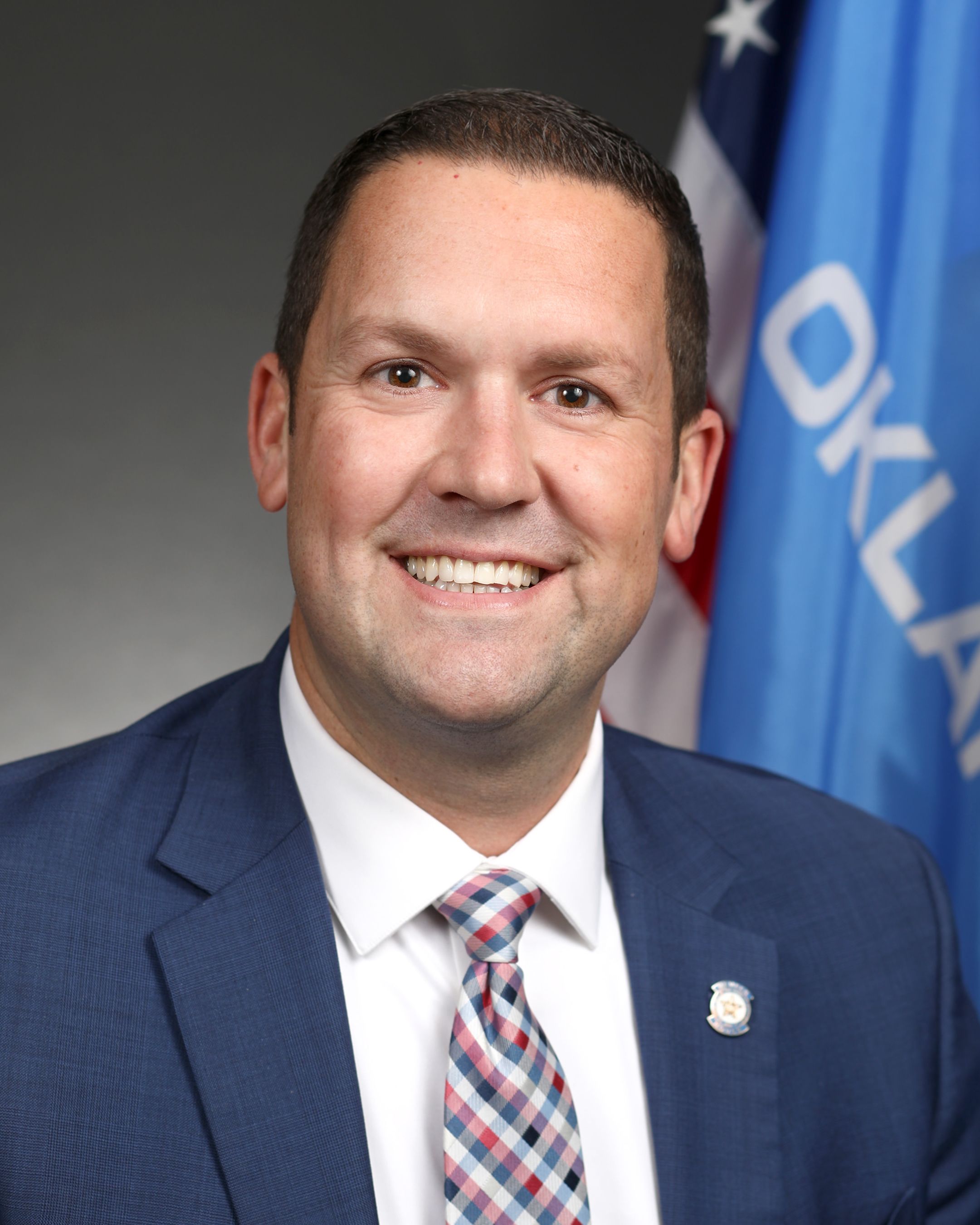
Rep. Anthony Moore
Sponsored bills
Maddy summaryHB 4353 updates Oklahoma's trust law to clarify where court cases involving trusts can be filed. It changes venue rules so that trust-related lawsuits must be filed in the county where the trust's main administration occurs, rather than solely where trustees reside. This affects trustees, beneficiaries, and courts handling trust disputes by streamlining where cases can be brought. The bill becomes effective November 1, 2026.
Maddy summaryHB 4349 removes the 5-year cap on counting out-of-state teaching experience for salary purposes in Oklahoma public schools. It requires the State Board of Education to recognize all years of out-of-state teaching experience (from accredited districts) when determining teacher salary placements under the state's minimum salary schedule. This change directly affects teachers moving to Oklahoma from other states or countries, allowing them to receive full credit for all prior teaching years toward their salary tier rather than being limited to five years. The bill updates existing salary schedule rules to eliminate this restriction, effective upon enactment.
Maddy summaryHB 4351 removes Oklahoma's application of the "rules against perpetuities" to wills, trusts, and property conveyances. This means legal documents in Oklahoma will no longer be subject to a common law restriction that previously limited how long property interests could last. The bill directly affects individuals and families creating estate plans, allowing greater flexibility in structuring property transfers. It takes effect on November 1, 2026.
Maddy summaryHB 4356 requires social media platforms accessed by Oklahoma minors under 16 years old to verify users' ages before allowing account creation or access. It prohibits platforms from using "dark patterns" (manipulative design) to bypass age checks and bans third-party vendors from retaining minors' personal data. The law exempts email services, gaming platforms, educational tools, and other non-social media services from these requirements. It applies to platforms operating in Oklahoma that connect users socially through features like infinite scrolling or algorithm-driven content.
Maddy summaryHB 4357 requires transportation network company (TNC) drivers in Oklahoma, like Uber or Lyft drivers, to maintain specific auto insurance coverage based on their activity. While logged on and available for rides, drivers must carry at least $50,000/$100,000 liability coverage; during active rides, coverage must increase to $1 million for death, injury, and property damage. TNC companies must provide coverage if drivers' insurance lapses, and drivers must carry electronic proof of coverage at all times. This bill directly affects TNC drivers and their companies, effective November 1, 2027.
Maddy summarySB 2051 creates the Oklahoma Research Attraction Program (ORAP), which provides matching state funds to public colleges and universities that receive qualifying private research donations. Eligible institutions (those in Oklahoma's public higher education system) can use these matching grants - funded through a new revolving state fund - to support research activities, faculty recruitment, and student services that boost research capacity. Private gifts must comply with federal foreign investment laws, and unused matching funds can carry over to future fiscal years. The program takes effect November 1, 2026.
Maddy summaryHB 1727 amends Oklahoma's Higher Learning Access Program (OK HAP) to add a new eligibility category for children of certified classroom teachers. Specifically, it allows students whose parents are certified teachers to qualify for tuition assistance without needing to meet standard financial need requirements (normally required under Section 2603). The bill does not change other eligibility criteria like residency, academic performance, or admission standards. This change directly affects students pursuing higher education in Oklahoma whose parents work as certified teachers in the state. The policy went into effect June 10, 2025, after Governor approval.
Maddy summaryHB 1727 expands eligibility for Oklahoma's Higher Learning Access Program to include children of certified classroom teachers. The bill amends Section 2603 of the Oklahoma Statutes to add a new category under financial need requirements (paragraph 8(e)), allowing these students to qualify for tuition assistance if they meet the program's existing financial need standards. This change directly affects children of teachers who are certified under Oklahoma's education standards and enroll in eligible Oklahoma institutions. The policy expands access to an existing state program without altering tuition amounts or creating new funding streams. The bill became law on June 10, 2025, with an emergency effective date.
Maddy summarySB 840 creates two new micro-credentials for Oklahoma teachers: one for Certified Academic Language Therapist (CALT) and one for Center for Effective Reading Instruction (CERI). To earn either, teachers must hold a master’s degree, complete specialized training, pass a competency exam, and provide 28 days of instruction post-exam. Certified teachers with these micro-credentials gain authorization to screen students for and identify dyslexia characteristics. The micro-credential will be added to the teacher’s official certificate, effective July 1, 2025. This bill directly affects certified teachers seeking specialized training in dyslexia identification.