

Maddy summarySB 1031 modifies Oklahoma's liquor licensing rules by removing restrictions that previously barred businesses from holding both beer distributor and wine wholesaler licenses under common ownership. Specifically, it amends Section 2-146 of the Oklahoma Alcoholic Beverage Control Act to clarify that these licenses may be held together by a single corporation, partnership, or limited liability company, without violating ownership rules. This change directly affects businesses seeking beer distributor or wine wholesaler licenses who previously faced barriers to operating both under the same ownership structure. The bill became law on May 29, 2025, without the Governor's signature.
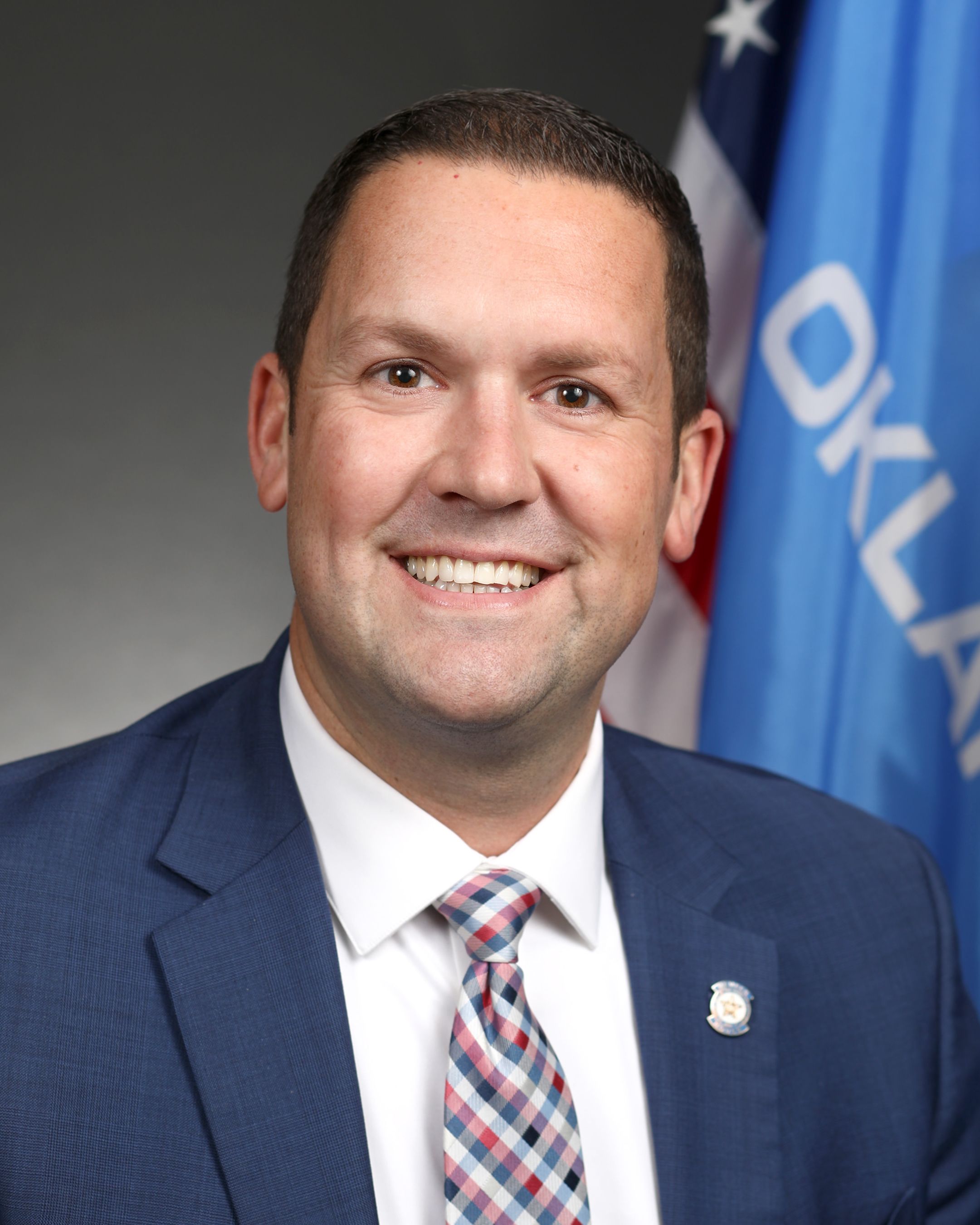
Rep. Anthony Moore
Sponsored bills
Maddy summarySB 1031 amends Oklahoma's Alcoholic Beverage Control Act (37A O.S. 2021, Section 2-146) to clarify that common ownership of beer distributor and wine/spirits wholesaler licenses is permitted under corporations, partnerships, or limited liability companies. It specifically removes a previous restriction (Section 2-146(15)) that prevented such combined ownership. This change directly affects businesses seeking or renewing these specific liquor licenses, allowing them to operate multiple license types under the same entity. The bill became law on May 29, 2025, without the Governor's signature.
Maddy summarySB 840 creates new micro-credentials for Oklahoma certified teachers who complete CALT (Certified Academic Language Therapist) or CERI (Center for Effective Reading Instruction) training. To earn these credentials, teachers must hold a master’s degree, complete specialized therapy training, pass an exam, and provide 28 days of instruction post-exam. Teachers with these micro-credentials will be authorized to screen students for dyslexia and have the credential reflected on their teaching certificate. The bill, effective July 1, 2025, became law without the Governor’s signature on May 29, 2025.
Maddy summaryHB 1728 creates the "Salt Cedar Eradication Act" to manage invasive salt cedar trees in Oklahoma's Upper Red River Basin. The program, run by the Oklahoma Conservation Commission with state agencies, directly assists eligible landowners (private, tribal, and public) by providing technical help and funding for removal. Key mechanisms include mapping infestations, using science-based methods like mechanical removal and biological controls, and establishing a revolving fund for costs using state, federal, and private funds. The Commission must report annually on progress, spending, and recommendations to state leaders.
Maddy summarySB 1075 requires real estate wholesalers to provide specific disclosures before facilitating residential property sales. It defines "wholesaler" as entities securing or transferring residential real estate contracts for profit (including those using "double closings"), and prohibits certain practices without these disclosures. The bill makes contracts invalid if proper disclosure isn't provided, and mandates the Oklahoma Real Estate Commission to create required disclosure forms. This directly affects wholesalers and homebuyers by increasing transparency in residential real estate transactions. The law became effective without the Governor's signature on May 22, 2025.
Maddy summarySB 745 is a procedural bill that amends residency verification requirements for high school enrollment. It adds "or the board's designee" after "resides" in the bill text, allowing school districts to designate an official to verify student residency instead of requiring the student or parent to do so. This change directly affects school districts and their enrollment processes in Oklahoma. The bill became law without the Governor's signature on May 22, 2025, and does not alter high school age limits or student eligibility.
Maddy summarySB 1075 amends Oklahoma's Real Estate License Code to regulate real estate wholesalers. It defines "wholesaler" as anyone facilitating residential property sales primarily to transfer their interest for profit (including contract assignments and "double closings"). The bill requires wholesalers to provide specific disclosures to buyers and sellers, making contracts invalid without proper disclosure. It also mandates the Oklahoma Real Estate Commission to create required disclosure forms. This directly affects real estate professionals engaged in wholesale transactions.
Maddy summarySenate Bill 745 extends the maximum age for students to complete high school, directly affecting students who may need additional time to earn their diploma. The bill also clarifies that a school board's designee can act where the board resides for specific provisions within the legislation. This measure aims to provide more flexibility for students to achieve high school completion. The bill became law in May 2025.
Maddy summarySB 215, the Oklahoma Math Achievement and Proficiency Act, requires Oklahoma public school districts to screen all students for math skills at the start, middle, and end of each school year. It mandates that schools develop individualized math intervention plans for students not meeting proficiency, created by a team of educators, and notify parents of their child's progress. The bill allocates state funds for teacher professional development in math instruction and establishes a Statewide Mathematics Revolving Fund to support these efforts. Additionally, it requires schools to screen certain students for dyscalculia (a math learning disability) and provide appropriate services starting in a specified school year.
Maddy summaryHB 2103 updates procedures for Oklahoma's Judicial Nominating Commission. It requires Commission members to recuse themselves if related by blood or marriage to a judicial applicant within the third degree, and mandates immediate removal for violations. The bill also requires members to disclose campaign contributions to judicial candidates within 10 days of receiving applications, with this information posted publicly online. These changes take effect November 1, 2025, and the bill was approved by the Governor on May 14, 2025. The law focuses on transparency and conflict avoidance in judicial appointments.