

Maddy summaryHB 4365 is a procedural bill that names the "Oklahoma Civil Procedure Reform Act of 2026" and sets its effective date for November 1, 2026. It does not establish new legal rules or change civil procedure practices; instead, it provides a title for the act and specifies its implementation date. The bill will not be codified in the Oklahoma Statutes. This is a naming and scheduling measure, not a substantive policy change.
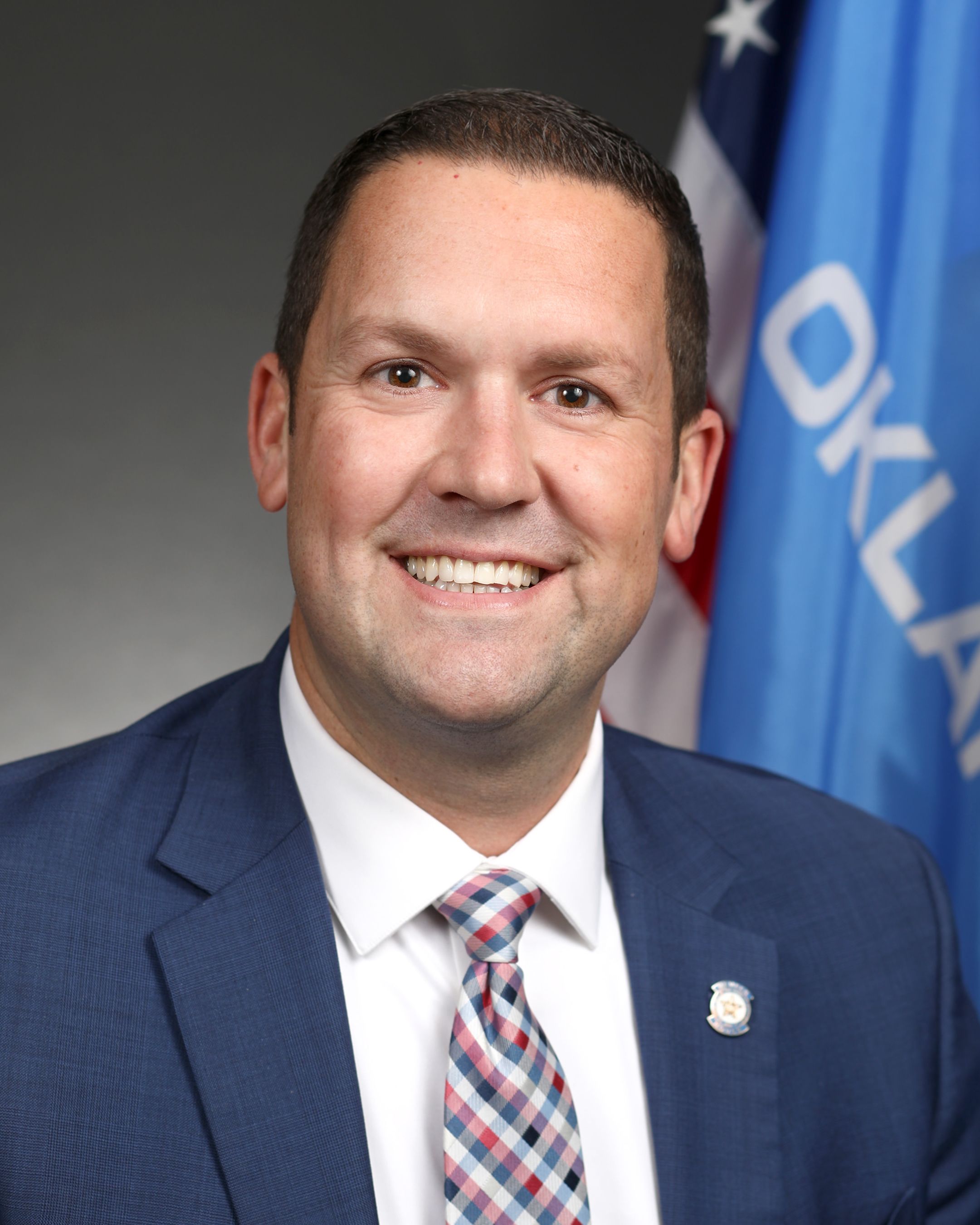
Rep. Anthony Moore
Sponsored bills
Maddy summaryHB 4360 requires Oklahoma public school districts to pay librarians holding a Master's degree 5% above the prevailing wage for certified personnel with similar qualifications in their district. This bill amends the state's salary schedule to establish a specific pay rate for librarians with Master's degrees, ensuring they receive this premium over the standard minimum salary for certified staff. It directly affects public school librarians in Oklahoma who hold a Master's degree and are certified under the state's education standards. The legislation applies to all public school districts and takes effect for the 2025-2026 school year.
Maddy summaryHB 4345 changes how Oklahoma determines where sales tax applies for most retail transactions. It requires businesses to source sales tax based on the **final delivery location** where customers receive products or services - such as a home address - not intermediate warehouse or fulfillment center locations. This affects online retailers, e-commerce businesses, and service providers, with exceptions for florists (all sales source to their business location) and transportation equipment like large trucks, aircraft, and containers (which follow specific federal rules). The bill takes effect November 1, 2026, clarifying tax obligations for businesses selling across state lines.
Maddy summaryHB 4362 requires the Oklahoma Health Care Authority to apply for a federal 1115 waiver to expand Medicaid coverage for medical respite care (short-term recovery support after hospital stays) and supportive housing (housing with health services). This bill directly affects Oklahoma Medicaid beneficiaries who need these specific services but currently lack coverage. The key provision mandates the state to seek federal approval for this expansion, which would allow more vulnerable residents to access these critical care options. The change would take effect on November 1, 2026, if the waiver is approved.
Maddy summaryHB 4350 establishes a five-year flexible groundwater allocation system for permit holders in Oklahoma's basins starting January 1, 2027. It allows existing and new groundwater permit holders to exceed their annual usage limits in individual years (by up to 200%) while requiring total usage over five years to stay within the basin's overall allocation. Permit holders must install approved meters, submit annual usage reports, and pay annual fees, but domestic wells are excluded. The bill aims to encourage conservation by providing flexible usage within cumulative basin limits. It becomes effective November 1, 2026.
Maddy summaryHB 4347 changes Oklahoma's mechanics lien law to require the original contractor, not the property owner, to pay the owner's attorney fees and costs if a subcontractor places a lien on the property. This directly affects property owners who have paid the original contractor in full but face lien claims due to the contractor's failure to pay subcontractors. The bill amends Section 143 of the Oklahoma Statutes to mandate that the original contractor covers these fees when the owner paid the contractor as agreed but the contractor didn't pay the subcontractor. The law takes effect November 1, 2026.
Maddy summaryHB 4366 creates the "Motor Vehicle Modernization Act of 2026" as a named legislative act without adding new substantive laws to Oklahoma Statutes. The bill solely establishes the act's name and sets its effective date for November 1, 2026. It directly affects no specific groups or entities, as it is purely procedural. This summary reflects the bill's limited purpose based on the provided text.
Maddy summaryHB 4367 creates the "Waters and Water Rights Modernization Act of 2026" but does not establish new policy requirements or regulations. The bill solely names the act, specifies it will not be codified in Oklahoma Statutes, and sets its effective date as November 1, 2026. It directly affects Oklahoma's water rights legal framework by formally designating this specific legislation, though it contains no substantive changes to water rights procedures or management. This is a procedural bill focused on naming and timing, not policy implementation.
Maddy summaryHB 4354, the Salt Cedar Eradication Act, creates a state program to control and remove invasive Salt Cedar (Tamarix species) in Oklahoma counties within the Upper North Fork of the Red River Basin. The Oklahoma Conservation Commission will lead this effort, collaborating with state agencies to conduct surveys, implement eradication methods (like mechanical removal and chemical treatments), and provide technical and financial assistance to eligible landowners (private, tribal, and public). The program is funded through a new Salt Cedar Eradication Revolving Fund, which can use federal grants, private contributions, and other designated sources. The Commission must submit annual reports detailing progress, spending, and recommendations for managing Salt Cedar impacts on water resources, native ecosystems, and agriculture.
Maddy summaryHB 4368 is a procedural bill that names the "Waters and Water Rights Modernization Act of 2026" and sets its effective date as November 1, 2026. It does not create new water rights policies or alter existing regulations; instead, it establishes the act's official name and implementation timeline. The bill explicitly states it will not be codified in Oklahoma Statutes, meaning it exists only as a named legislative act without becoming part of the state's permanent legal code. This is a routine procedural measure to formalize the bill's designation ahead of its implementation date.