

Maddy summarySB 714 prohibits Oklahoma state retirement systems from using retirement funds to boycott fossil fuel companies without a financial reason. It defines "boycott" as actions penalizing energy companies based on environmental or political views rather than financial return, and transfers enforcement to the Attorney General. The law shields state officials from lawsuits for investment decisions made under this rule and blocks private lawsuits challenging retirement fund investments. This directly affects state retirement systems managing public funds, requiring them to prioritize financial returns over political or environmental objections in investment choices.
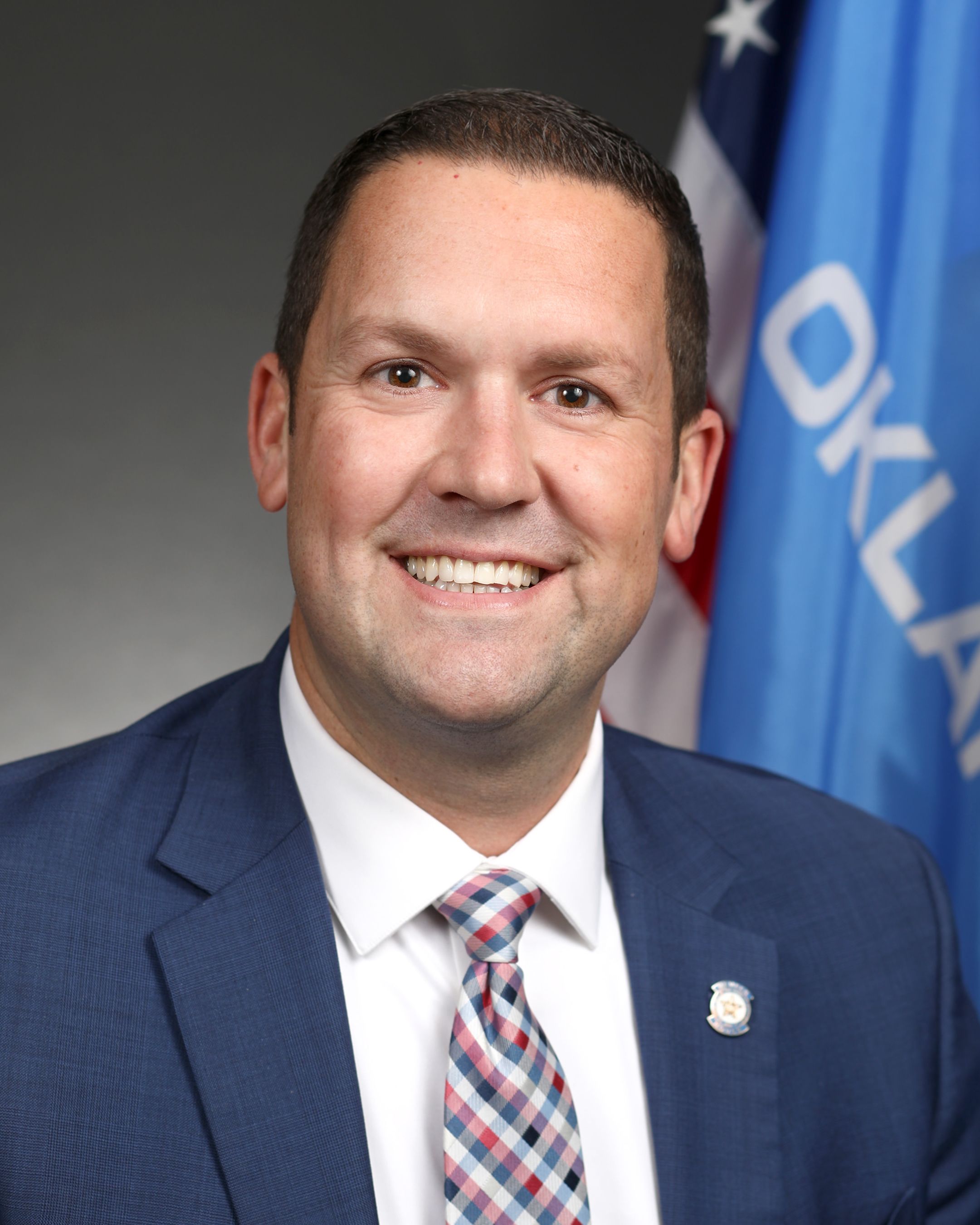
Rep. Anthony Moore
Sponsored bills
Maddy summaryHB 1771 re-creates the Oklahoma Educational Television Authority (OETA) with a sunset provision ending its operation on July 1, 2026. The bill establishes a 13-member board including university presidents, education leaders, and seven Governor-appointed members (representing congressional districts or statewide). It specifies membership qualifications, terms, and operational rules, such as requiring a majority of appointed members to be actively engaged in education and mandating quarterly meetings. The Authority, deemed an essential state function, will operate without member compensation but with travel expense reimbursement. This procedural bill directly affects Oklahoma's public educational television operations and governance structure until the 2026 sunset date.
Maddy summaryHB 2437 establishes the "Environment and Natural Resources Modernization Act of 2025" as a named legislative act, with an effective date of November 1, 2025. The bill text provided does not describe any substantive policy changes, regulatory requirements, or specific mechanisms affecting environmental programs or stakeholders. It solely defines the act's name and effective date without outlining new rules, funding, or operational provisions. Since the context lacks details on actual policy content, this summary reflects only the naming and timing provisions included in the bill text.
Maddy summaryHB 2437 is a procedural bill that creates the name "Environment and Natural Resources Modernization Act of 2025" for future legislation. It specifies the act's effective date as November 1, 2025, but contains no substantive policy provisions or mechanisms. The bill does not describe any concrete changes to environmental regulations, funding, or affected groups. This is a naming and timing measure only, with no direct impact on current laws or stakeholders. The provided text does not include any details about the actual policy content of the future "Modernization Act."
Maddy summaryHB 1771 re-creates the Oklahoma Educational Television Authority (OETV) to operate until July 1, 2026, under the Oklahoma Sunset Law. It specifies that the Authority’s 13-member board must include university presidents, education professionals, and members representing each congressional district (with additional members appointed statewide). The bill details board composition, terms (seven years for appointed members), and operational rules, including that members serve without pay but receive travel reimbursement. The Authority will continue its role as a state agency managing educational television services, with the bill taking effect November 1, 2025.
Maddy summaryHB 1750 prohibits pregnant women who hold a valid Oklahoma medical marijuana patient license from intentionally using marijuana while knowingly pregnant. The bill directly affects licensed medical marijuana patients who are pregnant, making such intentional use unlawful under Oklahoma law. It defines "marijuana" using existing statutory language and specifies that the prohibition takes effect on November 1, 2025. The law does not change eligibility for medical marijuana licenses but restricts use during pregnancy for those already licensed.
Maddy summaryHB 1774 is a procedural bill that names the "Department of Human Services Act of 2025" and sets its effective date as November 1, 2025. It does not create new policies, funding, or program changes - it simply establishes the bill's official name and implementation timeline. This act is noncodified, meaning it will not be added to Oklahoma's official statutes. It directly affects administrative naming conventions for the Department of Human Services but does not alter services or eligibility for residents.
Maddy summaryHB 1749 requires all Oklahoma police departments, sheriff's offices, and campus police with canine units to install heat alarm systems in their canine transport vehicles. The systems must activate automatically if the vehicle stops running or interior temperatures exceed 85°F, triggering an audible alarm, lowering rear windows, and alerting officers. This applies to all vehicles used in canine law enforcement programs statewide. The law takes effect November 1, 2025.
Maddy summaryHB 1756 is a procedural bill that names the "Domestic Violence Law Reform Act of 2024" and sets its effective date for November 1, 2025. The bill text provided does not include any substantive policy provisions or mechanisms for reform. It is structured as a naming act (not codified in Oklahoma Statutes) with no described changes to domestic violence laws or affected parties. No specific provisions, key mechanisms, or concrete policy changes are detailed in the provided text.
Maddy summaryHB 1748 restricts access to Oklahoma death and birth certificates, allowing disclosure only to specific individuals or entities (such as the subject, parents, legal representatives, funeral directors, or state agencies like Medicaid and the Highway Safety Office) under defined circumstances. It requires death certificates to become publicly available 50 years after death (and birth certificates 125 years after birth) and mandates an online public index of death and birth data after 5 years (for deaths) and 20 years (for births), with fees limited to actual costs for digital files. The bill also requires the State Department of Health to share death data with agencies like the Department of Public Safety (for driver license cancellation) and the Department of Labor (for occupational injury statistics). These changes aim to balance privacy protections with necessary administrative and public health data sharing.