

Maddy summarySB 974 prohibits online auction marketplaces from charging a "buyer's premium" (an extra fee on top of winning bids) for property sold at sheriff's sales. It requires specific online notice details, including the auction website URL and bid times, and allows electronic payments like wire transfers for registered bidders. The bill directly affects sheriffs, court clerks, and online auction platforms handling property sales ordered through court judgments. It updates existing Oklahoma law to clarify notice requirements and payment methods for online sheriff's sales while banning certain individuals (like auction staff) from purchasing items themselves.
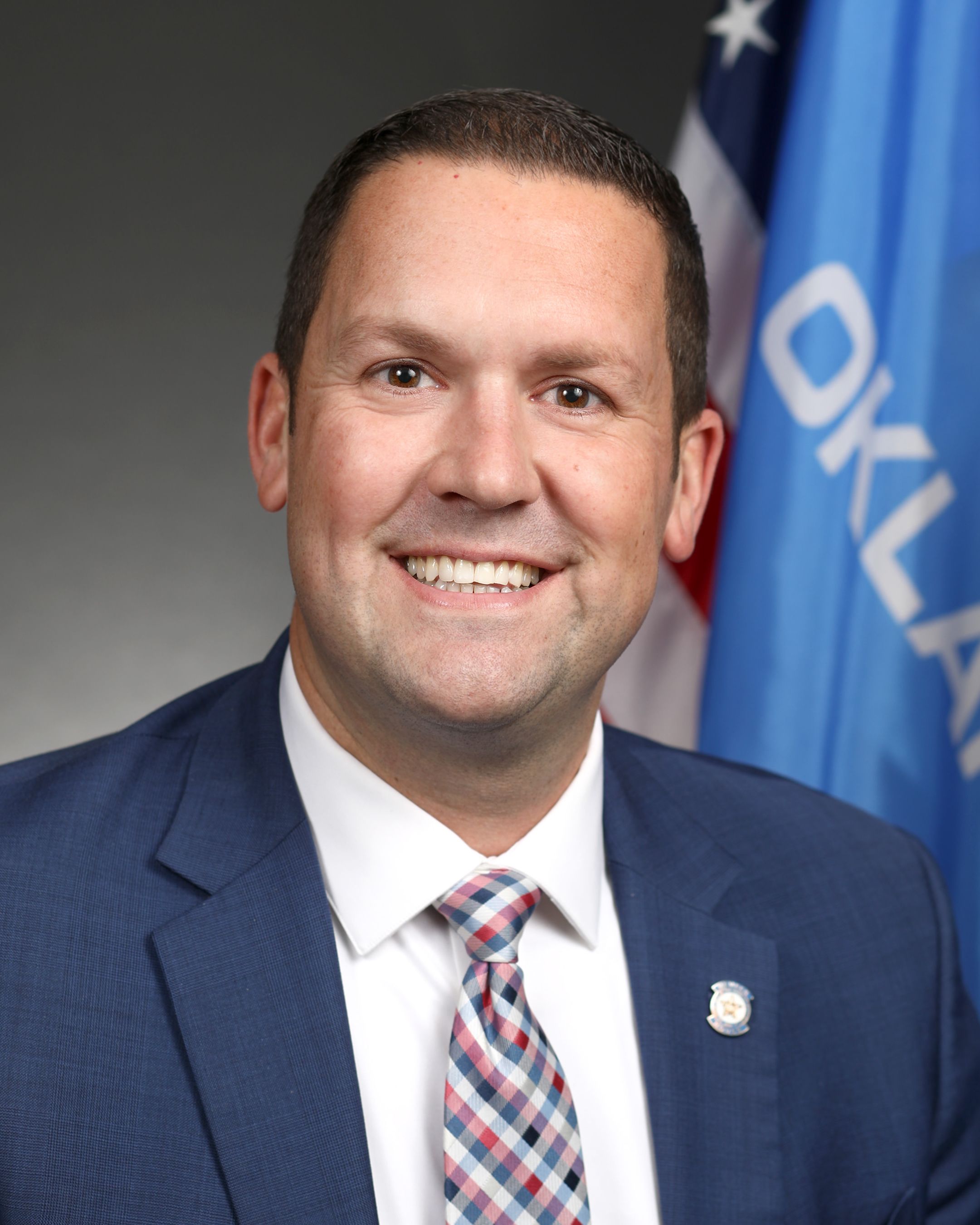
Rep. Anthony Moore
Sponsored bills
Maddy summarySB 974 prohibits charging a buyer's premium (a fee added to winning bids) in Oklahoma sheriff's sales of property conducted online. It requires specific notice for online auctions, including the internet address and bid times, and mandates a non-electronic bidding option for certain bidders. The bill authorizes sheriff's offices to use online auction marketplaces for property sales while updating statutory language to be gender-neutral. It directly affects sheriffs, online auction platforms, and bidders in debt-collection property sales, with an emergency designation to take effect immediately.
Maddy summarySB 1068 requires real estate brokers to provide written documentation of specific services provided directly to home buyers, rather than just listing home tours. The bill amends existing law to mandate this written agreement for services like property search assistance or negotiation support. It directly affects real estate brokers who work with buyers and the buyers themselves, ensuring clear records of the broker's role. The key provision replaces vague language about "touring a home" with explicit requirements for documenting buyer-specific services. The bill remains pending in committee as of March 2025.
Maddy summarySB 838 prohibits social media platforms from allowing users under 16 years old to create or maintain accounts. Platforms must implement reasonable age verification and delete existing accounts of under-16 users within six months of the law's November 1, 2025 effective date. Exceptions apply to educational/healthcare platforms and text messaging services. The Oklahoma Attorney General can enforce the law through civil actions.
Maddy summaryOklahoma's SB 838 prohibits social media platforms from allowing users under 16 to create or maintain accounts. It requires platforms to verify user ages through reasonable methods and delete existing accounts of users under 16 within six months of the law's effective date (November 1, 2025). The law excludes educational and healthcare platforms from these requirements. The Oklahoma Attorney General can enforce the law by seeking court orders against non-compliant platforms.
Maddy summarySB 1008 requires all well permit holders in Oklahoma to install water meters to track usage and report data to the Oklahoma Water Resources Board. This applies to existing well permits under the Board's jurisdiction, directly affecting agricultural and private well users. The key provision mandates metering implementation to provide accurate water usage data, supporting conservation efforts. The bill aims to improve water resource management through measurable usage tracking, with an effective date specified in the legislation.
Maddy summarySB 1008 requires all well permit holders in Oklahoma to install water meters and follow specific water allocation rules starting on a future date set by the Oklahoma Water Resources Board. This directly affects individuals and entities holding permits for groundwater wells, mandating they measure their water use to promote conservation. The key mechanism is the mandatory metering requirement, which provides data to track usage and enforce conservation measures after the effective date. The bill aims to improve water resource management through measurable usage tracking, without creating new water rights or altering existing allocations.
Maddy summarySB 734 increases court fees for defendants convicted in Oklahoma criminal cases, directly affecting individuals sentenced for offenses like traffic violations, misdemeanors, and felonies. The bill adds new mandatory fees: $3 for the Child Abuse Multidisciplinary Account, $10 for courthouse security, $15 for impaired driving cases, and additional amounts for the Law Library Fund, Court Information System, Victim Services, and other state accounts. It maintains the existing sheriff’s service fee range ($50-$150 for within-county service) but clarifies how these fees are allocated. These changes apply to all criminal cases, with fees collected at sentencing and deposited into specified state funds.
Maddy summarySB 734 increases the minimum sheriff's fee for serving legal documents within a county from $50 to $75, while maintaining the same $50-$150 range for out-of-county services. This change directly affects criminal defendants paying court costs and sheriffs' offices collecting these fees. The bill modifies Section 153 of Oklahoma's criminal court costs statute, specifically adjusting the fee structure for sheriff services without altering other existing court fees or fund allocations. It is a procedural adjustment to court cost rates, not a substantive policy change.
Maddy summarySB 714 prohibits Oklahoma state retirement systems from using public funds to boycott energy companies (defined as actions penalizing fossil fuel companies without a financial reason) or divesting based on environmental, social, or political concerns. It transfers enforcement authority from the State Treasurer to the Attorney General and requires retirement systems to report any exemptions from the law. The bill shields state officials, employees, and contractors from lawsuits or financial liability when complying with its provisions, including claims of fiduciary duty breaches. It directly affects all Oklahoma state retirement systems and their investment decisions regarding energy companies.