

Maddy summarySB 861 amends Oklahoma law to clarify that individuals committing gang-related offenses - such as those listed in Section 856 of Title 21 - as a condition of gang membership or while associated with a gang face a mandatory 5-year prison term added to any other penalties. It updates statutory references to align with existing definitions of "criminal street gang" and "gang-related offense" from Section 856. The bill, effective November 1, 2025, directly affects criminal street gang members who commit specified offenses, reinforcing penalties for gang-associated criminal activity. It makes no new policy changes but corrects outdated references in current law.
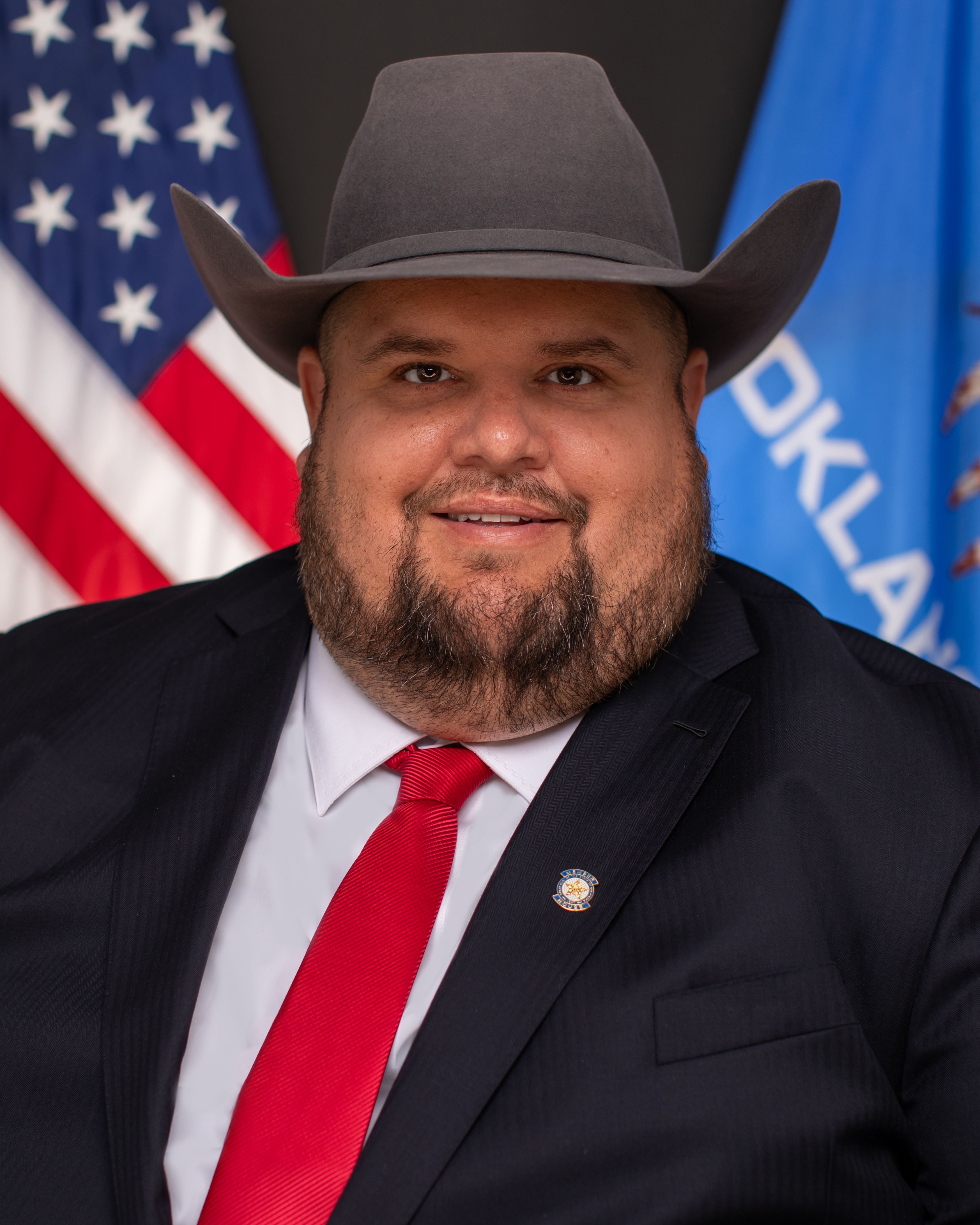
Rep. Tim Turner
Sponsored bills
Maddy summarySB 398 clarifies administrative procedures for the Oklahoma Bureau of Narcotics when issuing "orders to show cause" to registrants (such as pharmacies or clinics handling controlled substances) suspected of violating drug laws. It specifies that legal challenges must be filed only in Oklahoma County courts, allows subpoenas to be quashed if not necessary for cases, and requires registrations to remain active during hearings unless public safety demands immediate suspension. The bill also updates rules for delegating hearing authority and handling evidence requests. These changes streamline administrative processes under the Uniform Controlled Dangerous Substances Act without altering drug classification or penalties.
Maddy summarySenate Bill 861 amends existing Oklahoma law concerning gang-related offenses. It updates internal statutory references within Title 21 of the Oklahoma Statutes for the definitions of "criminal street gang" and "gang-related offense." The bill reaffirms that individuals who commit or attempt a gang-related offense as part of a criminal street gang face a felony charge and an additional five-year prison sentence. This act will take effect on November 1, 2025.
Maddy summaryHB 1991 allows defendants held in Oklahoma county, municipal, or regional jails to post bond in another Oklahoma jurisdiction to resolve custody holds from that other county. Specifically, if a defendant has a hold from another county, they can post bond in the requesting county, and once proof of bond posting is provided, the hold is released. This changes existing procedure by enabling defendants to secure release from inter-county holds without waiting for the original county to process bond requests. The bill applies directly to defendants confined in Oklahoma jails facing out-of-county custody requests and takes effect November 1, 2025.
Maddy summaryHouse Bill 1991 modifies criminal procedure concerning bail. It specifies that if a defendant is held in a jail in one county but has an additional request to be held from another jurisdiction within the state, they may post a bond in that other jurisdiction. Upon providing proof that the bond has been posted, the request to hold the defendant from the second jurisdiction will be released. This bill becomes effective November 1, 2025.
Maddy summaryHB 1995 expands Oklahoma's definition of rape to include sexual acts between students aged 16-19 (while under school custody) and school employees (including resource officers) who are 18 or older. It explicitly designates school resource officers as school employees for these provisions and adds similar protections for foster children under 19 and secondary school students concurrently enrolled in higher education with staff. The law specifies that such acts are rape under Section 1111, with penalties including minimum 3-year prison terms (25 years for victims under 12). It also updates related provisions in Section 1123 regarding lewd acts with children under 16.
Maddy summarySB 497 requires the Forensic Review Board to provide written notice to the district attorney when a person is found not guilty by reason of mental illness or guilty with mental defect. This affects criminal cases involving mental health defenses, ensuring the district attorney receives timely reports from mental health evaluations. The bill amends Oklahoma law to mandate that examiners submit their findings directly to the district attorney within 35 days, alongside the court and defense counsel. This change aims to improve transparency and coordination in cases where mental health is a factor in criminal proceedings.
Maddy summarySenate Bill 497 amends Oklahoma's criminal procedure laws concerning individuals in the justice system who have a mental illness or mental defect. The bill requires the Forensic Review Board to provide specific notice to the district attorney. It outlines the process for examining individuals acquitted due to mental illness or found guilty with a mental defect, including court hearings to determine if they are dangerous to public safety. Based on these determinations, individuals may be discharged, conditionally released, or committed to the Department of Mental Health and Substance Abuse Services.
Maddy summaryHouse Bill 1995 amends Oklahoma's criminal statutes concerning sex crimes and punishments. The bill clarifies the definition of an "employee of a school system" for the purpose of certain sexual offense definitions. This updated definition now explicitly includes both employed and contracted school resource officers. This change applies specifically to instances where a student between 16 and 19 years old engages in sexual intercourse with an adult (18 or older) who is considered a school system employee.
Maddy summaryHB 1990 amends existing Oklahoma law regarding who is prohibited from possessing firearms and defines related terms. The bill clarifies that convicted felons, individuals on felony probation, and certain adjudicated delinquents or youthful offenders are generally prohibited from possessing firearms, with an exception for pardoned nonviolent felons. It also makes it unlawful for an alien illegally or unlawfully in the U.S. to possess firearms, classifying this as a misdemeanor. Furthermore, the bill creates a felony offense for handgun license holders who knowingly allow a prohibited person to possess a firearm, which also results in license revocation. The act defines terms like "sawed-off shotgun," "altered toy pistol," and "alternative court program."