

Maddy summarySB 1257 amends Oklahoma's Uniform Controlled Dangerous Substances Act to update the classification of specific substances. It adds certain substances to Schedule I (Section 2-204) and adds/removes substances from Schedule III (Section 2-208). These changes modify which substances are legally controlled under state law, affecting law enforcement, medical practitioners, and entities handling controlled substances. The bill also updates related definitions in Section 2-101, including clarifications on "acute pain" and "drug paraphernalia." This procedural update adjusts the legal framework for controlled substances without creating new programs or penalties.

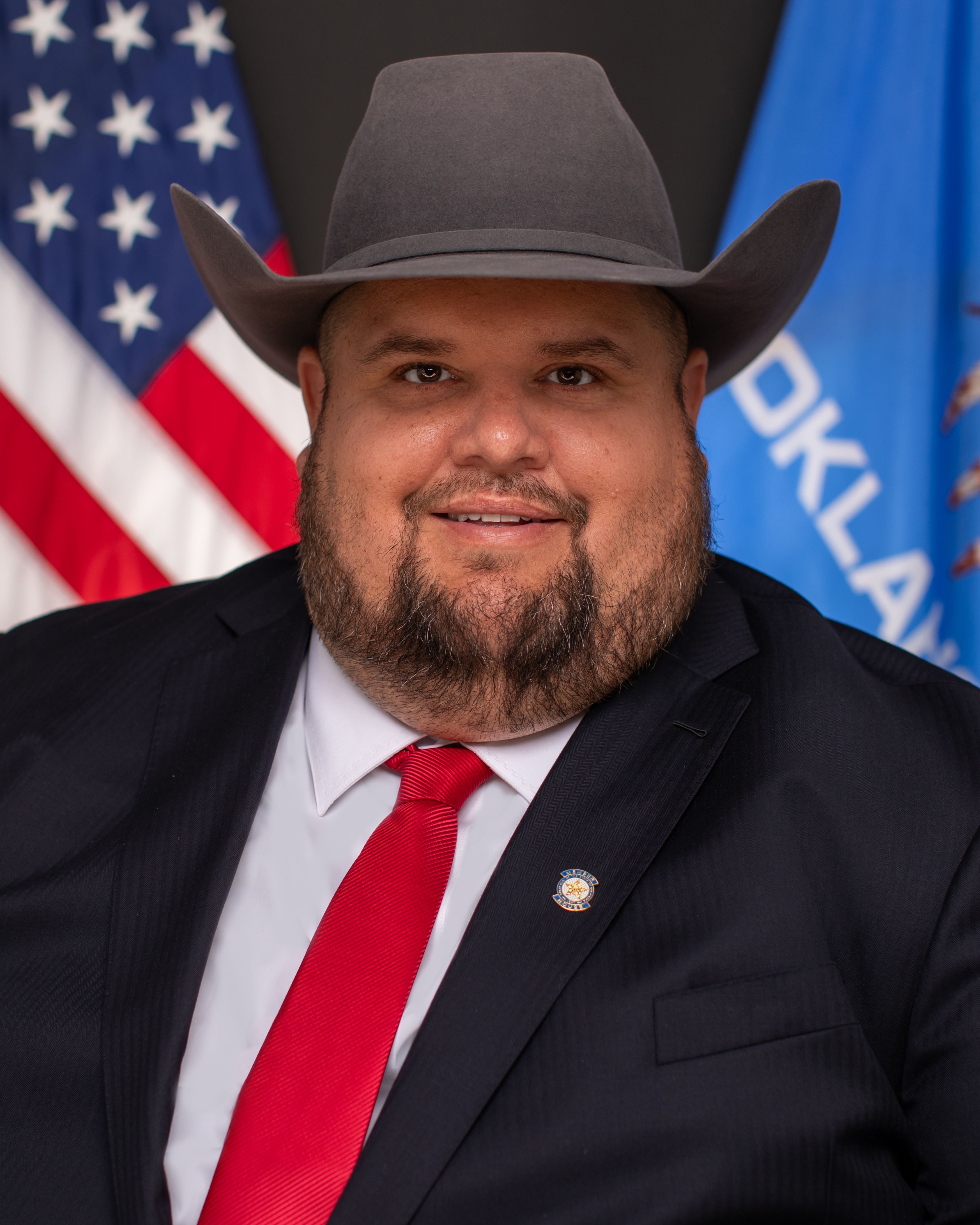
Rep. Tim Turner
Sponsored bills
Maddy summarySB 65 amends Oklahoma's controlled substances laws (63 O.S. Sections 2-315 and 2-508) to streamline the destruction process for unused or seized dangerous drugs. It removes the requirement for facilities (like group homes or hospitals) and law enforcement to submit substances to specific locations (e.g., Oklahoma City lab or DEA) before destruction, and eliminates the mandatory incineration rule. Instead, authorized individuals (such as medical examiners or law enforcement agencies) may now destroy substances directly while still complying with federal regulations (21 C.F.R. Part 1317). This change simplifies the process for handling outdated, abandoned, or seized drugs without altering the core evidence retention procedures for law enforcement.
Maddy summaryThis bill establishes the "Oklahoma Workers' Compensation Medical Fee Policy Act of 2025," creating a new framework for setting medical fees in workers' compensation cases. It directly affects medical providers treating work-related injuries and injured workers receiving medical care through workers' compensation. The policy will take effect on November 1, 2025, standardizing fee rates for medical services under workers' compensation claims.
Maddy summaryHB 3764 creates a sentencing enhancement for certain felony convictions involving ties to foreign terrorist organizations, directly affecting defendants found guilty of specific crimes with such connections. The bill lowers the evidentiary standard required to apply this enhancement, removing the "beyond a reasonable doubt" requirement for proving terrorist organization links and instead requiring only a "more likely than not" standard. This change would allow judges to increase felony sentences based on a lower burden of proof for these specific cases. The bill is currently in committee referral after its initial readings in the Oklahoma House.
Maddy summaryHB 3767 adds specific synthetic drugs and substances to Oklahoma's Schedule I and IV of controlled dangerous substances under state law. It directly affects anyone possessing, distributing, or using the newly listed compounds, including various fentanyl analogs (like para-fluorofentanyl), synthetic hallucinogens (like psilocybin and salvia), and other novel psychoactive substances. The bill amends Oklahoma's Controlled Dangerous Substances Act by expanding the official lists in Schedule I (substances with no medical use and high abuse potential) and Schedule IV (substances with accepted medical use but potential for abuse). This creates new legal prohibitions for these substances without requiring additional medical or legal exceptions.
Maddy summarySB 1980 creates new criminal offenses related to gift cards and gift certificates in Oklahoma. It prohibits unauthorized acquisition or possession of gift cards (larceny), altering cards (forgery), fraudulently obtaining redemption information (fraud), and using stolen cards or information (theft), with penalties ranging from misdemeanor to grand larceny if $950+ is obtained within six months. The law directly affects cardholders (who receive gift cards) and issuers (businesses selling them), by making specific types of fraud punishable under existing Oklahoma criminal statutes. It defines key terms like "gift card" (including both single-merchant and network cards) and "redemption information" to clarify the scope of prohibited acts. The bill takes effect November 1, 2026.
Maddy summaryHB 3982 amends Oklahoma's vehicle registration law to create a "non-resident in-transit temporary credential" for people purchasing vehicles they plan to register in another state. It directly affects buyers who intend to title and register their vehicle outside Oklahoma, replacing the standard temporary license plate with this credential. The key provision requires buyers to certify they will register the vehicle elsewhere, after which Service Oklahoma (Oklahoma's vehicle agency) issues the temporary credential instead of a plate. This streamlines the process for non-residents moving into Oklahoma or buying vehicles for out-of-state registration.
Maddy summarySB 2118 amends Oklahoma law to allow county sheriffs to use surplus funds from jail commissary operations for specific jail-related expenses. The bill authorizes sheriffs to spend commissary surplus on jail operations, inmate care, training equipment, travel, or capital improvements, rather than restricting it solely to commissary maintenance. This change directly affects county sheriffs managing jail commissaries statewide. The bill takes effect November 1, 2026.
Maddy summaryThis bill amends Oklahoma law by changing a numerical threshold in a criminal provision from "two (2)" to "five (5)" in Section 1, Line 22. The specific crime or penalty affected isn't described in the provided text, only the numerical adjustment. The amendment was proposed by Representative Tim Turner and adopted by the committee. As a procedural change to an existing legal code, the bill does not introduce new policy but modifies a specific numerical element of a criminal statute. More context about the original law or the affected crime would be needed for a complete summary.
Maddy summarySB 1749 modifies Oklahoma law to require mobile food vehicles using liquefied petroleum gas (LPG) for cooking to obtain annual permits and pass inspections from the Oklahoma Liquefied Petroleum Gas Administration (not local agencies). It mandates Class K fire extinguishers for grease-related cooking and shifts jurisdiction for fire safety inspections to the State Fire Marshal, who must conduct annual checks with specific geographic coverage. The bill affects mobile food vendors operating LPG-equipped vehicles, updating permit requirements and inspection protocols while clarifying that counties with over 400,000 residents may maintain local regulations. The changes take effect November 1, 2026.