

Maddy summaryHB 3778 establishes the Oklahoma Public Health and Safety Reform Act of 2026 as a new legal title that can be used to reference the legislation. The bill does not create new laws or change existing policies but serves as a formal naming mechanism for future public health and safety reforms. It will become effective on November 1, 2026, and is not included in the official Oklahoma Statutes code. This measure primarily affects state legislative record-keeping and legal citation practices rather than public health or safety operations.
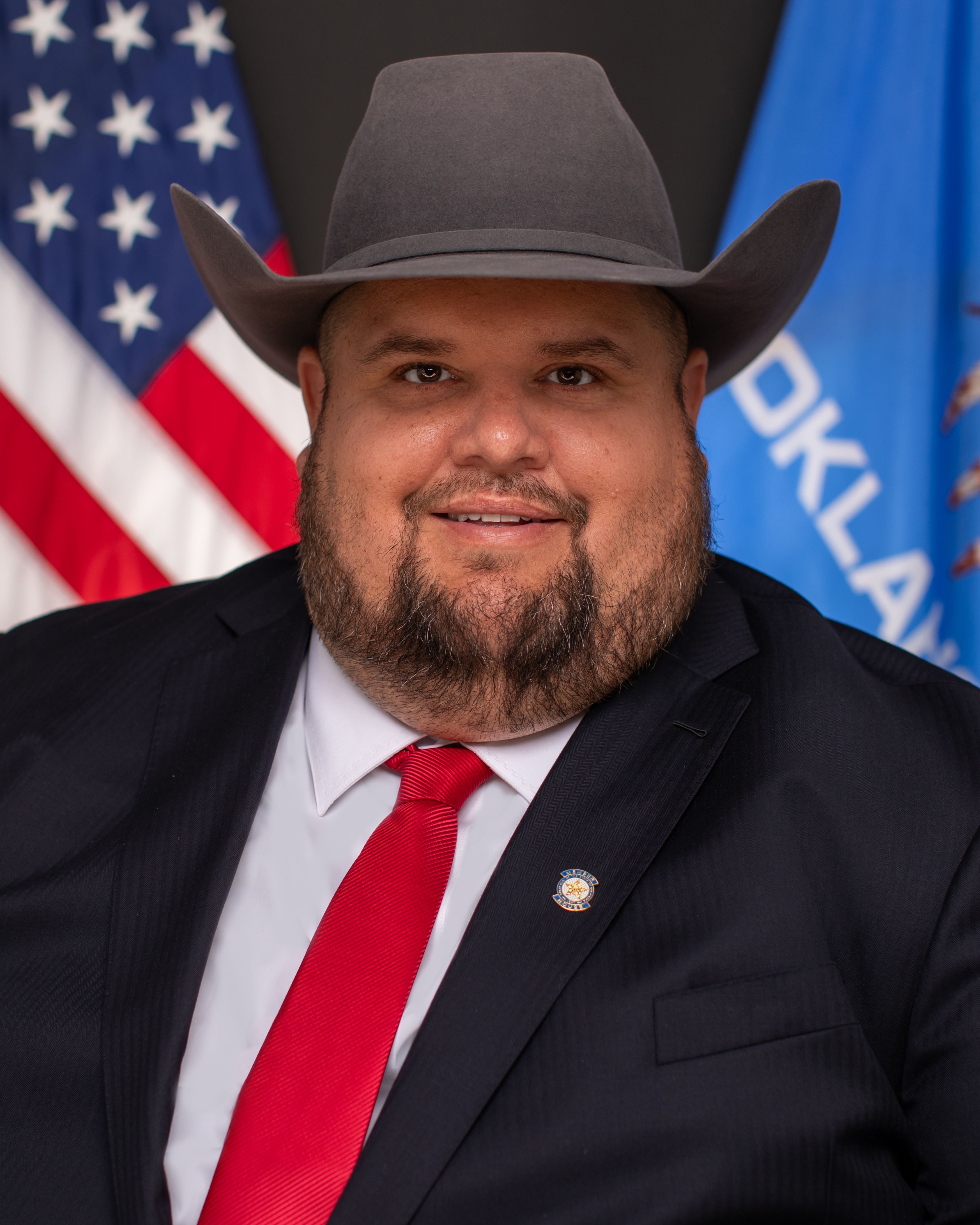
Rep. Tim Turner
Sponsored bills
Maddy summaryHB 3775, the "Entertainment District Incentive and Promotion Act of 2026," creates a tax incentive program for businesses operating in designated entertainment districts across Oklahoma. The bill authorizes state tax credits to support economic development in these areas, directly affecting businesses that qualify as part of a designated entertainment district. Key provisions establish the framework for the incentive program, including its effective date of November 1, 2026, and specify the act will not be codified in Oklahoma Statutes. The bill does not detail specific districts or credit amounts but provides the legal foundation for future implementation by state authorities.
Maddy summaryHB 3777, titled the "Oklahoma Public Health and Safety Reform Act of 2026," is a procedural bill that establishes its name and sets an effective date of November 1, 2026. The bill explicitly states it will not be codified in the Oklahoma Statutes, meaning it will not become part of the state's permanent legal code. No substantive policy changes or mechanisms are described in the provided bill text. This appears to be a naming and scheduling measure, not a policy bill with specific provisions. As a result, no specific groups or individuals are directly affected by its content.
Maddy summaryHB 3773 is a procedural bill that names an upcoming law without changing any criminal statutes. It creates the "Oklahoma Crimes and Punishments Act of 2026" as a future legislative framework, but explicitly states this act will not be codified into Oklahoma's official laws. The bill only sets an effective date of November 1, 2026, for the naming convention and does not alter current criminal penalties or procedures. It directly affects no individuals or groups, as it serves solely as a placeholder for potential future legislation. This is a routine naming measure with no substantive policy changes.
Maddy summaryThis bill is procedural and names the upcoming criminal code as the "Oklahoma Crimes and Punishments Act of 2026." It specifies the act will take effect on November 1, 2026, and clarifies it will not be codified into the Oklahoma Statutes. The bill itself does not create new criminal laws or change punishments - it only establishes the name and effective date for a future law.
Maddy summaryHB 3779 is a procedural bill that names the "Oklahoma Public Health and Safety Reform Act of 2026" and sets its effective date for November 1, 2026. It contains no substantive policy provisions or mechanisms, as it explicitly states it will not be codified in Oklahoma Statutes. The bill serves only as a formal designation for future legislation, with no direct impact on public health programs, funding, or regulations. It was introduced on February 2, 2026, and referred to the Rules Committee for further consideration.
Maddy summaryHB 3772 is a procedural bill that names the "Oklahoma Controlled Dangerous Substances Act of 2026" and sets its effective date as November 1, 2026. It does not create new regulations or alter existing controlled substances laws; instead, it formally designates the name for the upcoming legislation. The bill explicitly states it will not be codified in the Oklahoma Statutes. This is a standard naming and effective date bill with no substantive policy changes.
Maddy summaryHB 3771 is a procedural bill that names the "Oklahoma Criminal Procedure Act of 2026" and sets its effective date for November 1, 2026. It does not change existing criminal procedure laws or create new legal requirements; instead, it establishes a title for future codification (though it specifies the act "shall not be codified" in Oklahoma Statutes). The bill directly affects how future criminal procedure laws might be referenced but has no immediate impact on court procedures, rights, or obligations for residents or legal actors. This is purely an administrative naming measure with no substantive policy changes.
Maddy summaryHB 3761 prohibits Oklahoma public schools and school districts from joining any association or organization that supports diversity, equity, and inclusion (DEI) practices, including those granting preferential treatment based on race, ethnicity, or national origin. It requires schools to review current memberships by July 1, 2026, and terminate ties with non-compliant organizations within 15 days of notice. Schools must annually submit compliance certificates to the State Board of Education by July 1, starting in 2026. The bill directly affects all public K-12 schools and districts in Oklahoma, restricting their affiliations with groups promoting certain DEI initiatives.
Maddy summarySB 1596 extends the time limit for prosecuting certain serious crimes in Oklahoma. It allows prosecutions for sexual crimes against children (like rape or child pornography) to be filed until the victim's 45th birthday, and increases the timeframe for crimes like embezzlement of school district funds, Medicaid fraud, and falsification of public records from 5 to 7 years after discovery. The bill also allows prosecutions based on DNA evidence or a confession at any time, while requiring independent evidence for cases relying solely on recovered memories. The changes take effect November 1, 2026.