Issue · Healthcare

Healthcare

Every healthcare bill, vote, and legislator stance in Oklahoma, automatically classified by Maddy, our AI policy reader.

Total bills
547
2026 Regular Session
Top supporter
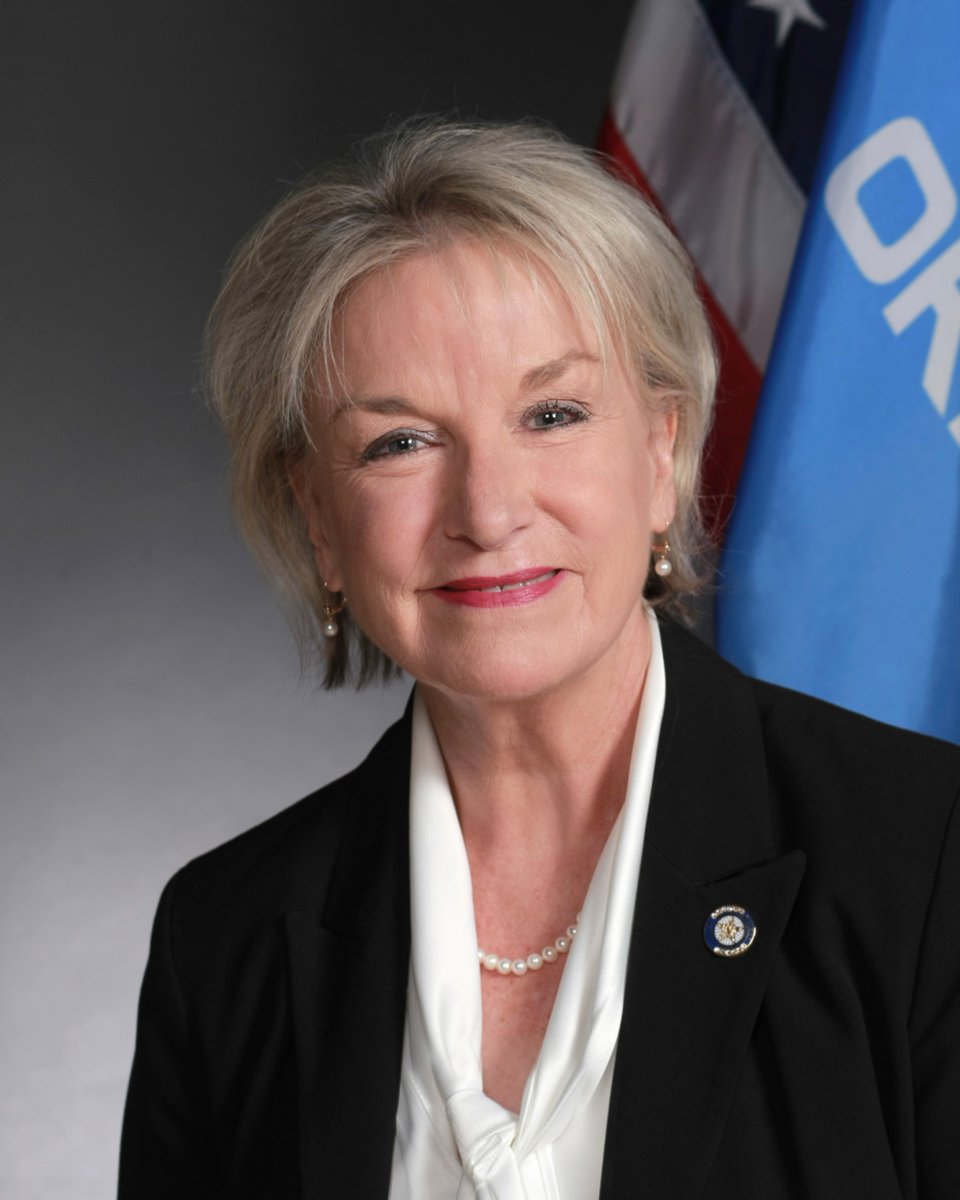
Brenda Stanley
97% support rate
Top opponent
Shane Jett
16% support rate
Ranked legislators
10
5 support · 5 oppose
Key legislators

Who's moving healthcare in Oklahoma

Legislators moving healthcare in Oklahoma
Legislator Party Stance Support rate Votes
Brenda Stanley
Brenda Stanley Senate · District 42
R
Strong +
97% 214
John Pfeiffer
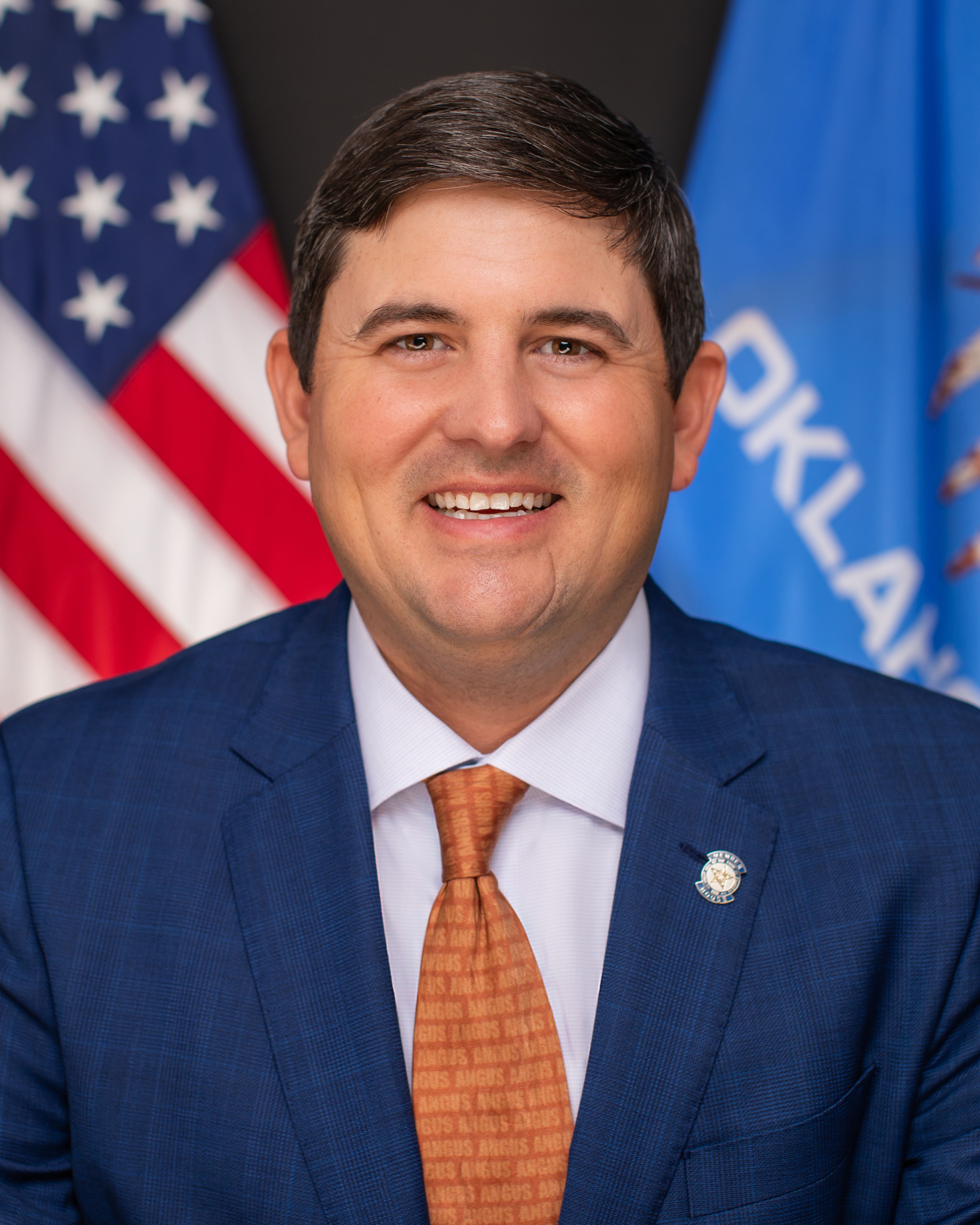
John Pfeiffer House · District 38
R
Strong +
96% 186
Lonnie Paxton
Lonnie Paxton Senate · District 23
R
Strong +
96% 173
Aaron Reinhardt
Aaron Reinhardt Senate · District 37
R
Strong +
96% 250
Kelly Hines
Kelly Hines Senate · District 47
R
Strong +
96% 181
Shane Jett
Shane Jett Senate · District 17
R
Strong −
16% 216
Molly Jenkins
Molly Jenkins House · District 33
R
Strong −
17% 206
Dusty Deevers
Dusty Deevers Senate · District 32
R
Strong −
19% 208
Rick West
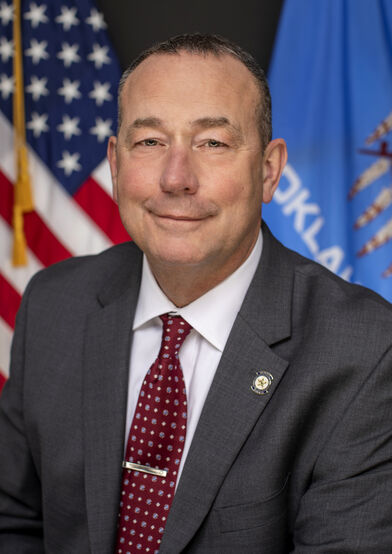
Rick West House · District 3
R
Strong −
20% 201
Jim Shaw
Jim Shaw House · District 32
R
Oppose
20% 204
Showing 431–440 of 547 bills

All healthcare bills

in committee · Oklahoma · Senate Feb 4, 2025

SB 665: Freedom of conscience; creating the Medical Ethics Defense Act; granting certain rights and protections to certain medical practitioners, healthcare institutions, or healthcare payers. Effective date.

SB 665, the "Medical Ethics Defense Act," protects medical practitioners, healthcare institutions, and payers from discrimination when refusing to provide services based on conscience. It grants the right to decline any medical procedure or service (including abortion, as referenced in the title) that conflicts with their ethical, moral, or religious beliefs. The bill prohibits adverse actions like termination, loss of licensure, or denial of contracts for such refusals, while explicitly stating this protection does not override duties to provide other non-conflicting care. It applies broadly to all healthcare workers - from doctors and nurses to pharmacists and researchers - and defines "discrimination" to include any retaliatory penalty tied to conscience-based decisions.
signed · Oklahoma · Senate May 12, 2025

SB 1066: Medical marijuana; requiring creation and maintenance of certain registry; providing certain requirements for listing on registry. Emergency.

SB 1066 creates a state registry for physicians who recommend medical marijuana in Oklahoma, requiring them to complete specific medical education courses annually to be listed. It mandates that all medical marijuana businesses use a detailed inventory tracking system to record every transaction, from planting to sale, including product types, batches, and sales data. The law also prohibits physicians from being located at the same address as dispensaries and requires them to notify the authority if a patient no longer qualifies for a medical marijuana license. These changes apply directly to licensed physicians, medical marijuana businesses, and the Oklahoma Medical Marijuana Authority, effective January 1, 2026. The bill was signed into law by the governor on May 9, 2025.
in committee · Oklahoma · House Mar 5, 2025

HB 1169: Abortion-inducing drugs; repealer; emergency.

HB 1169 repeals multiple Oklahoma statutes (63 O.S. 2021 Sections 1-729a through 1-757.16) that previously regulated abortion-inducing drugs. The bill directly affects existing state law by removing these specific provisions without creating new restrictions or requirements. Key mechanisms include the formal repeal of all listed sections, which covered various aspects of abortion drug regulations. This is a procedural bill with no new policy changes, simply eliminating the repealed statutes from the Oklahoma Statutes. The "emergency" declaration in Section 2 allows immediate implementation upon approval but does not alter the bill's substantive effect.
Sub-Topics Women's Health
signed · Oklahoma · Senate May 6, 2026

SB 933: Health care; creating the Right to Try for Individualized Treatments Act; authorizing individualized investigational treatments for eligible patients. Effective date.

SB 933 requires Oklahoma hospitals and ambulatory surgical centers to adopt policies using surgical smoke evacuation systems during procedures likely to generate surgical smoke. These systems must capture smoke at the source before it reaches staff or patients' eyes or lungs. The bill defines "surgical smoke" as gaseous by-products like plume or bio-aerosols produced during energy-based surgical procedures. The policy must be implemented by November 1, 2025, to prevent exposure to this airborne hazard.
in committee · Oklahoma · Senate Feb 4, 2025

SB 771: Advertising; prohibiting certain direct-to-consumer advertising by pharmaceutical companies; creating felony offense. Effective date. Emergency.

SB 771 prohibits Oklahoma pharmaceutical companies from advertising prescription drugs directly to consumers through any medium (TV, digital, print, social media, etc.). Violating this ban would be a felony punishable by up to $500,000 in fines or five years in prison per offense. The bill includes exceptions for doctor-patient educational materials, public health campaigns, clinical trial promotions, and insurance coverage information - provided they don’t promote specific drugs. It takes effect July 1, 2025, and aims to align Oklahoma with global norms that restrict such advertising.
in committee · Oklahoma · House Feb 4, 2025

HB 2056: Dental insurance claims; dental plans; definition; effective date.

HB 2056 clarifies rules for dental insurance claims in Oklahoma, directly affecting dentists and dental insurance plans. It prevents dental plans from requiring dentists to accept payment rates set by the plan unless services are specifically covered under the patient’s agreement. The bill also mandates that denial notices for claims (based on "lack of medical necessity") must include the reviewing dentist’s license details and contact information, with communication limited to business hours. The law takes effect November 1, 2025.
passed both · Oklahoma · House Apr 30, 2025

HCR 1009: Concurrent Resolution; Credit for Caring Act for family caregivers.

HCR 1009 is a procedural concurrent resolution (not a bill) passed by the Oklahoma legislature. It urges Oklahoma's U.S. congressional delegation to support the federal **Credit for Caring Act**, which would provide working family caregivers with a $5,000 annual tax credit to offset caregiving costs. The resolution highlights that Oklahoma has 490,000 family caregivers contributing $6.6 billion in unpaid care annually, facing significant out-of-pocket expenses. It does not create new state law but advocates for federal action to support caregivers.
passed both · Oklahoma · House May 22, 2025

HB 1683: Vision insurance; noncovered services or materials; prohibitions; effective date; emergency.

HB 1683 requires most health benefit plans in Oklahoma to cover contraceptive drugs (like pills, patches, or rings) without prior authorization. Specifically, plans must cover a three-month supply when a member first gets the drug, and a six-month supply for each subsequent refill - limiting members to one six-month supply per six-month period. The law excludes coverage for drugs intended to terminate existing pregnancies and allows smaller prescriptions if medically necessary. It applies to all plans offered, issued, or renewed on or after November 1, 2025, and does not affect vision insurance coverage (the title appears to contain an error).
Sub-Topics Insurance
died · Oklahoma · House Feb 24, 2025

HB 2057: Trauma Care Assistance Revolving Fund; medical marijuana taxation; apportionment; assess; collect; apportionments; funds; effective date; emergency.

HB 2057 establishes a 7% tax on retail medical marijuana sales in Oklahoma, collected at the point of sale. Tax revenue is allocated annually starting July 2026: $65 million is divided between the State Public Common School Building Fund (59.23%), the Oklahoma Medical Marijuana Authority (34.62%), drug and alcohol rehabilitation programs (5%), and the Trauma Care Assistance Revolving Fund (1.15%). Any surplus tax collections go to the General Revenue Fund. The bill also requires medical marijuana businesses to pay taxes or face permanent license revocation.
Sub-Topics Revenue Drug Policy
died · Oklahoma · House Feb 11, 2025

HB 1589: School employees; Education Employee Assistant Program; Department of Mental Health and Substance Abuse Services; effective date; emergency.

HB 1589 creates a voluntary Education Employee Assistance Program within Oklahoma's Department of Mental Health and Substance Abuse Services. The program provides school employees and their families with confidential support for personal, mental health, or substance abuse issues - including emotional, financial, or family concerns - without impacting their employment status. Key provisions include keeping participation records separate from personnel files, prohibiting subpoenas for records unless a safety threat exists, and requiring school districts to follow Board-established rules for any existing or new employee assistance programs. The bill explicitly states that participation or nonparticipation does not affect disciplinary actions or employment terms.
Showing 431 to 440 of 547 bills
Previous 1 43 44 45 55 Next