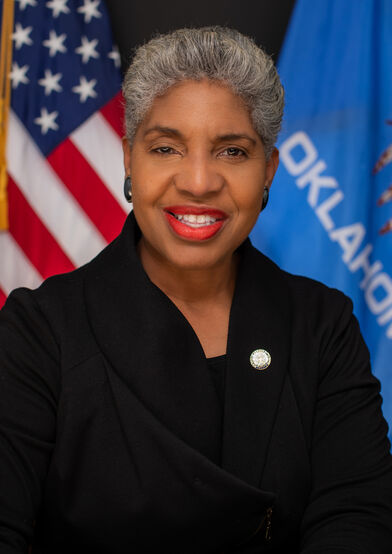
HB 1605 requires Oklahoma public schools to use federal child nutrition funds to provide free breakfasts and lunches to all K-12 students who qualify for reduced-price meals under federal rules (e.g., those from households meeting income guidelines). It prohibits schools from charging these students any copayment for meals and mandates the state to cover costs if federal funds are insufficient. The bill also requires the Oklahoma State Department of Education to annually report meal program participation data to the Legislature and undergo a 2025 audit to ensure compliance and expanded access. This directly affects public schools, qualifying students, and state education administrators.
SB 1366 establishes Oklahoma's High Dosage Tutoring Program for K-8 students needing academic support in math or English language arts. The program requires schools to provide in-person tutoring (3 one-hour sessions weekly for 10-12 weeks per semester) and prioritizes districts designated for federal improvement under the Every Student Succeeds Act. Tutors earn bonuses based on student progress - $1,600 per cohort per semester and $1,000 per student achieving half a grade level of growth annually - with conditional participation if growth targets aren't met. The program is funded through the Teacher Empowerment Revolving Fund, mandates parental consent for student participation, and requires schools to report student assessment data to the State Department of Education.
SB 1201 extends paid maternity leave and adds explicit adoption leave for Oklahoma education employees. It amends statutes (70 O.S. §§ 6-104.1, 6-104.5, 6-104.6, and others) to require school districts to provide adoption leave comparable to maternity leave, extend the duration of paid maternity leave, and update the "Public School Paid Maternity Leave Revolving Fund" to cover adoption leave. The bill directly affects K-12 teachers and full-time school staff, ensuring they receive paid leave for childbirth, adoption, or related recovery periods. It also modifies a leave-sharing program to allow sick leave donations for adoption-related needs.
HB 1522 requires Oklahoma school districts to create and publicly post policies by January 1, 2022, defining how many transfer students they can accept per grade level at each school site. It limits students to two inter-district transfers per school year (except for those returning to their home district), allows automatic approval if a student’s home district doesn’t offer their grade level, and prohibits transfers based on unexcused absences (ten or more in a semester). Parents can appeal denials first to the district board and then to the State Board of Education if policies weren’t followed. The bill directly affects students seeking to transfer schools, their families, and school districts managing enrollment capacity.
SB 1017 allows Oklahoma's Medicaid program to cover educationally necessary school-based services for students with disabilities, directly affecting K-12 public schools and Medicaid-eligible students. The bill defines "educationally necessary" services (like classroom support) separately from medically necessary ones (e.g., physical therapy), requiring these services to be attached to an Individualized Education Program (IEP) rather than included in the IEP itself. It prohibits the Oklahoma Health Care Authority from expanding this definition or covering non-educational health services like eye exams or flu shots. The law takes effect July 1, 2025, and applies to students under 21 receiving a free and appropriate public education.
SB 1373, the "Healthy Meals for Healthy Kids Act," requires public school districts and charter schools in Oklahoma to offer free breakfast and lunch to all students during each school day, with schools operating under tribal or Bureau of Indian Affairs authority allowed to participate. It mandates at least 20 minutes of seated lunch time for students in kindergarten through fifth grade and directs the State Department of Education to establish a grant program using federal meal reimbursement differences to fund meal quality improvements. School food authorities must maximize federal funding by adopting the USDA's "community eligibility provision" and use grant funds for food, equipment, or training to upgrade meals. The bill directly affects all participating Oklahoma schools and students, aiming to expand free meal access while leveraging federal reimbursement rates to support program costs.
HB 1159 allows Oklahoma students to transfer between schools within their district year-round, provided the receiving school's grade level has available space. It establishes specific preferences for transfers, including siblings of transferring students, children of district employees, students changing residence within the district, and those in foster care. School districts must publicly post capacity limits for transfers and prioritize students based on these preferences when space is limited. The bill requires districts to set and report these capacity limits annually, ensuring transparency in the transfer process.
SB 1292 creates the Oklahoma High Dosage Tutoring Program to provide intensive reading tutoring for prekindergarten through third-grade students. The program requires school districts to offer in-person tutoring (three one-hour sessions weekly for 10-12 weeks per semester) and prioritize districts federally designated for improvement under the Every Student Succeeds Act. Tutors earn bonuses of $1,600 per cohort per semester and $1,000 per grade level of reading growth achieved by students, with eligibility tied to students improving at least half a grade level in reading annually. Parental consent is required for student participation, and students may be removed from the program under specific circumstances like non-attendance or parental withdrawal. The program becomes effective July 1, 2026.
SB 410 requires Oklahoma public high school students in grades 8-12 to complete a computer science unit to earn a standard diploma starting with the 2024-2025 school year. This replaces the previous requirement for two world language units with a new computer technology course requirement covering programming, hardware, and business applications like spreadsheets. The bill mandates that this unit must be approved for college admission and excludes basic keyboarding or typing courses. It directly affects all students pursuing standard diplomas in Oklahoma public high schools under the updated graduation requirements.
HB 2021 creates the Oklahoma Kids After-School Grant Program (OKAGP) under the Department of Human Services to fund community-based organizations running after-school programs for K-12 students. Eligible organizations must operate at least five locations across Oklahoma (either directly or through partnerships) and qualify for exemptions from child care licensing under Title 10. The bill establishes a revolving fund in the State Treasury for these grants, funded by state appropriations and donations, with no annual budget restrictions. The program becomes effective November 1, 2025, and will provide grants to support after-school programming for children.