Issue · Education

Education (Special Education)

Every education bill, vote, and legislator stance in Oklahoma, automatically classified by Maddy, our AI policy reader.

Total bills
22
2026 Regular Session
Top supporter
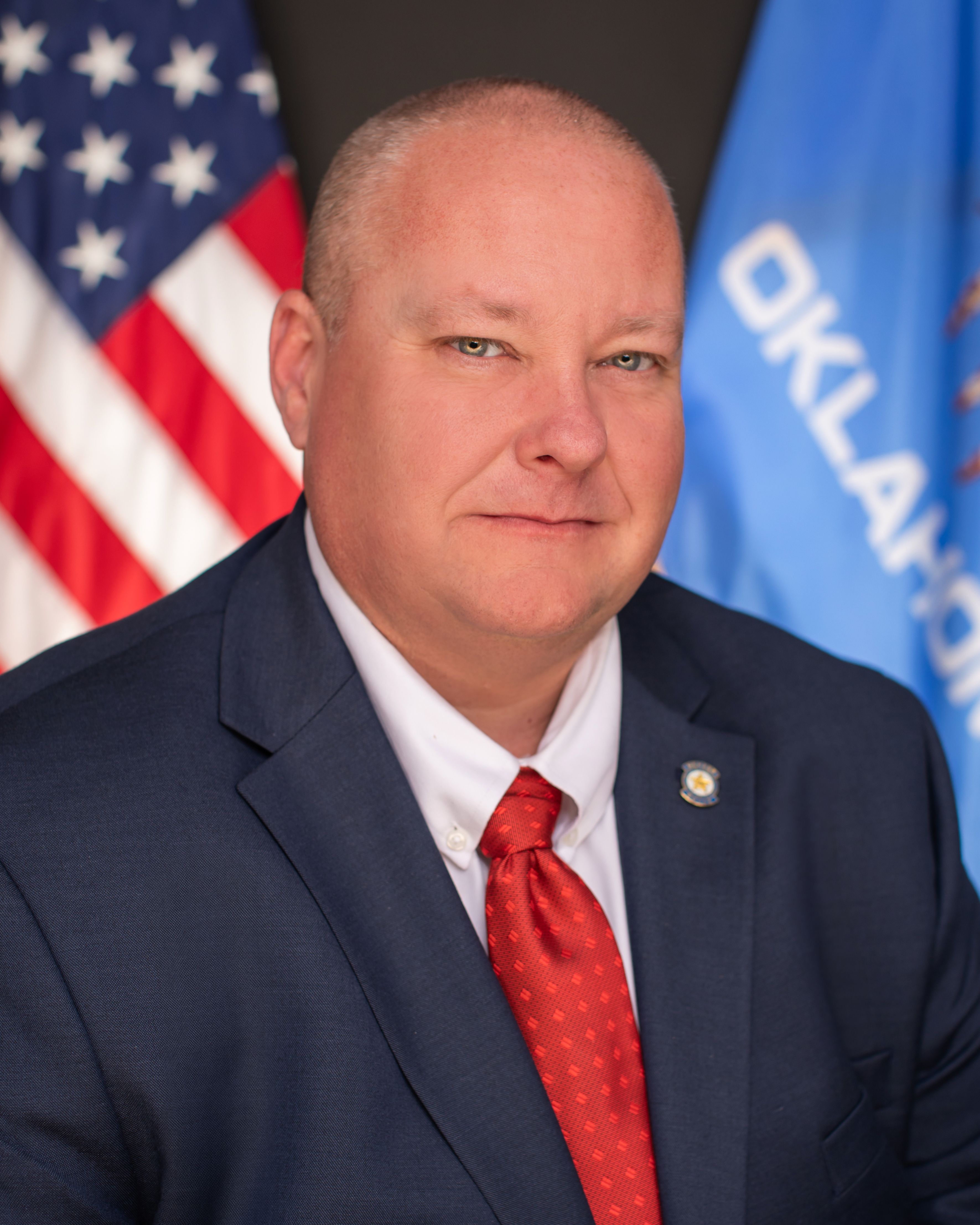
Chad Caldwell
100% support rate
Top opponent
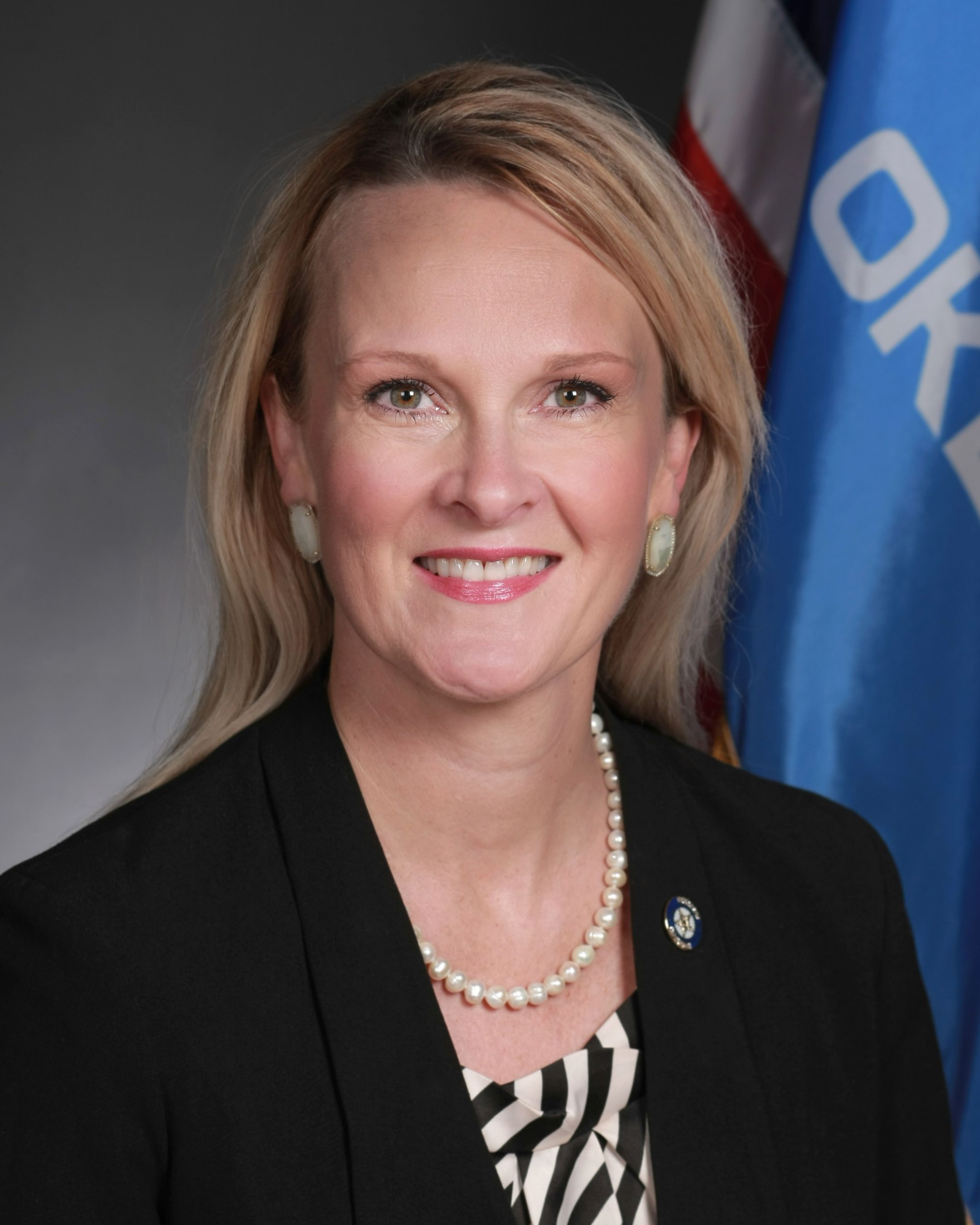
Carri Hicks
12% support rate
Ranked legislators
10
5 support · 5 oppose
Key legislators

Who's moving special education in Oklahoma

Legislators moving special education in Oklahoma
Legislator Party Stance Support rate Votes
Chad Caldwell
Chad Caldwell House · District 40
R
Strong +
100% 14
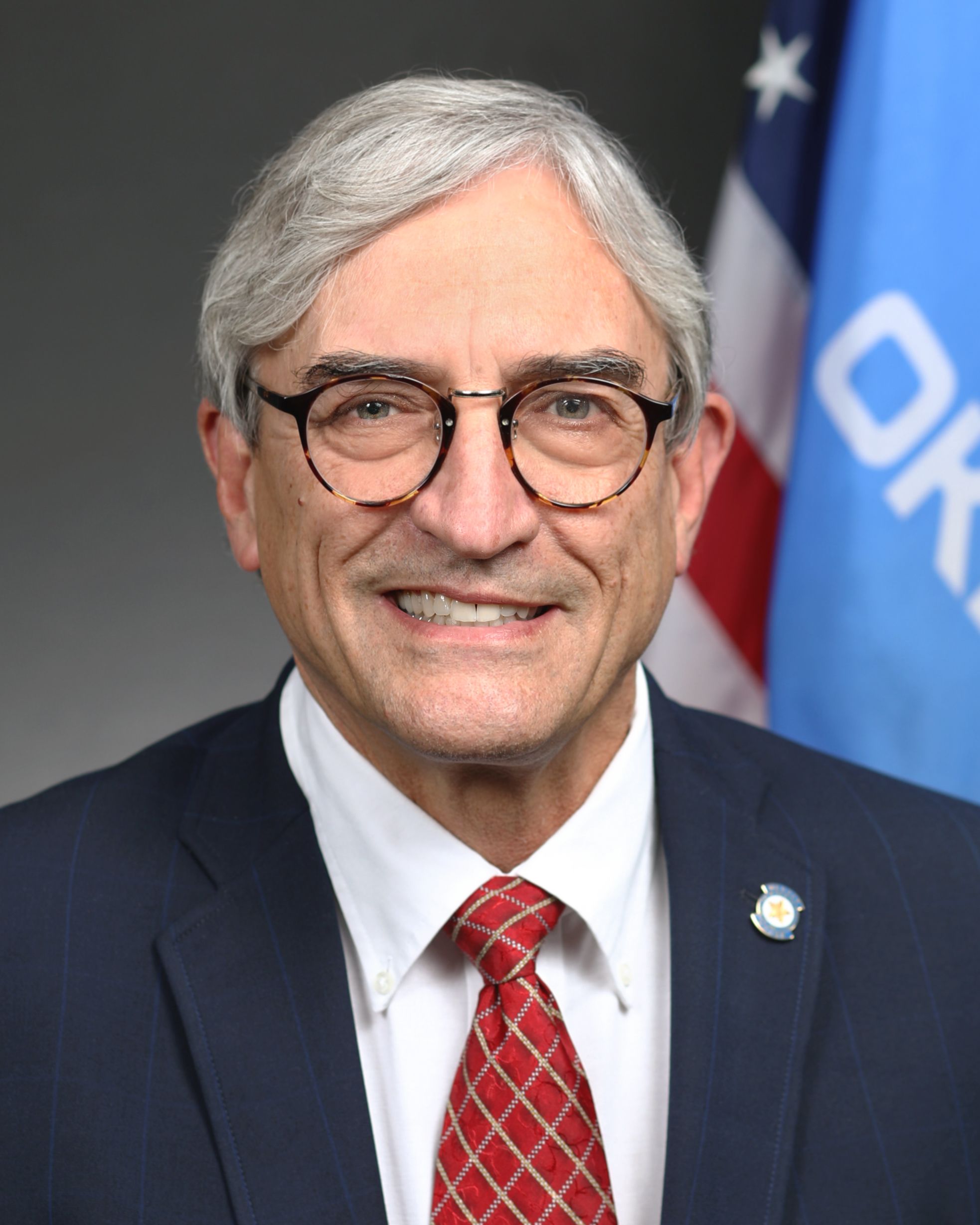
John Kane
John Kane House · District 11
R
Strong +
100% 13
Dell Kerbs
Dell Kerbs House · District 26
R
Strong +
100% 12
Max Wolfley
Max Wolfley House · District 95
R
Strong +
100% 12
Toni Hasenbeck
Toni Hasenbeck House · District 65
R
Strong +
100% 11
Carri Hicks
Carri Hicks Senate · District 40
D
Strong −
12% 8
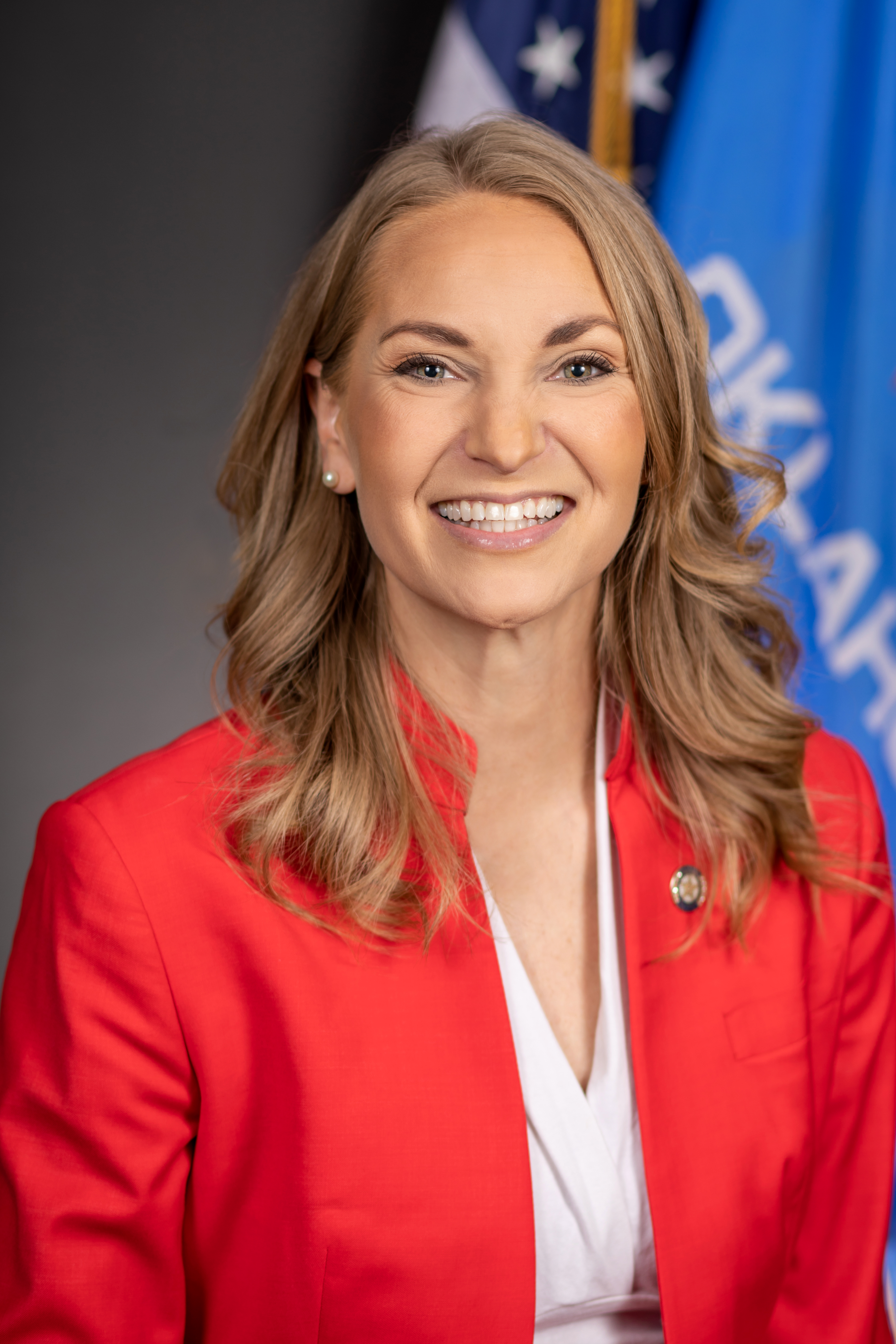
Jo Anna Dossett
Jo Anna Dossett Senate · District 35
D
Strong −
14% 7
Julia Kirt
Julia Kirt Senate · District 30
D
Strong −
17% 6
Michael Brooks
Michael Brooks Senate · District 44
D
Strong −
17% 6
Mickey Dollens
Mickey Dollens House · District 93
D
Strong −
17% 6
Showing 1–10 of 22 bills

All education bills

signed · Oklahoma · House May 12, 2026

HB 3718: Special education; Lindsey Nicole Henry Scholarships for Students with Disabilities Program; requiring certain meeting in certain time period; evaluations; exceptions; eligibility; calculation of scholarship; effective date.

This bill establishes and clarifies the Lindsey Nicole Henry Scholarships for Students with Disabilities Program in Oklahoma, allowing parents of students with special needs to use state funds to enroll their children in eligible private schools. The legislation defines specific eligibility criteria, including students with Individualized Education Programs (IEPs), children of military families, and those in foster care or juvenile justice placements, while requiring parents to secure private school admission before receiving funding. It also sets a 45-day deadline for school districts to determine special education eligibility, deeming students eligible for scholarships if the district fails to decide within that timeframe, and outlines financial responsibilities such as transportation costs remaining with the family. The bill ensures continuity of educational choice by allowing scholarships to remain active until a student graduates, turns 22, or re-enrolls in public school, while mandating that private schools meet state accreditation standards to participate.
signed · Oklahoma · Senate May 13, 2026

SB 1489: Students; directing compliance with the Individuals with Disabilities Education Act; requiring publication of certain information. Effective date. Emergency.

SB 1489 requires Oklahoma public schools and the State Department of Education to comply with federal Individuals with Disabilities Education Act (IDEA) standards for students with disabilities aged 3-21. It mandates that school districts provide special education services as defined by IDEA and authorizes using federal funds for these services. The bill specifically requires the State Department to publish online dispute resolution options for parents, including IEP facilitation, mediation, due process, and state complaints. This bill affects all Oklahoma public school districts, students with disabilities, and their families, effective July 1, 2026.
Sub-Topics Special Education
in committee · Oklahoma · Senate Feb 3, 2026

SB 1974: Students; providing eligibility for special education and related services; providing for evaluation and reevaluation; providing for dispute resolution. Effective date. Emergency.

SB 1974 amends Oklahoma statutes (70 O.S. 2021 Sections 13-101 and 13-102) to update eligibility for special education services for children with disabilities, including specific learning disabilities. It requires school districts to conduct evaluations within defined timeframes, clarifies consent requirements for services, and mandates specific team compositions for Individualized Education Program (IEP) development. The bill strengthens due process procedures by requiring prior notice for evaluations, establishing clear dispute resolution steps, and directing the State Board of Education to create procedural safeguards for parents. It directly affects school districts, parents or legal guardians, and children aged 3-22 who qualify for special education services under Oklahoma law. The changes focus on procedural clarity and timely service delivery without altering eligibility criteria or funding mechanisms.
Sub-Topics Special Education
in committee · Oklahoma · Senate Mar 3, 2026

SB 1594: Teachers; adding requirement for school principal certification. Effective date. Emergency.

SB 1594 requires Oklahoma school principals to complete specific professional education on special education laws and practices, including federal/state regulations, individualized education programs (IEPs), and student discipline procedures. This applies to all principals seeking or renewing certification, except those who earned their master's degree in education administration before July 1, 2005. The bill amends existing certification rules (Section 6-189) to mandate this training as part of the principal certification requirements. It does not change other existing requirements like master's degrees or teaching experience.
in committee · Oklahoma · Senate Mar 4, 2026

SB 1617: Teachers; allowing the Teacher Empowerment Revolving Fund to be used to support compensation of teachers certified in special education. Effective date. Emergency.

SB 1617 amends Oklahoma law to direct the Teacher Empowerment Revolving Fund to cover the state’s share of additional pay for special education teachers. It requires school districts to pay 5% of base wages for special education teachers, with the state covering the remaining 5% using funds from the existing revolving fund (previously used for other teacher stipends). This policy change, effective July 1, 2026, directly affects all Oklahoma public school teachers certified in special education. The bill ensures the state’s funding obligation is met through the revolving fund rather than new appropriations, aligning with Section 13-110 of state law.
in committee · Oklahoma · House Feb 10, 2026

HB 3019: Schools; phasing in a reduction to the maximum number of students allowed per class in kindergarten through fifth grades; exceptions; effective date; emergency.

HB 3019 reduces maximum class sizes for Oklahoma public schools in kindergarten through fifth grade over a three-year phase-in. Starting in 2026-2027, classes in kindergarten through second grade may not exceed 22 students; this limit drops to 20 students in 2027-2028, and 18 students starting in 2028-2029. To comply, schools must employ a teacher’s assistant in classes exceeding these limits (with exceptions for special education and certain other classes), and teacher assistants cannot count toward the class size limit. School districts that fail to meet these requirements face reduced state funding calculated based on the number of students over the limit.
passed · Oklahoma · House Apr 21, 2026

HB 4358: Schools; limiting screen time for prekindergarten through fifth grade public school students to one hour per school day; effective date; emergency.

HB 4358 limits screen time for prekindergarten through fifth grade public school students to one hour per school day, including all classroom activities using devices like tablets, computers, or smart devices. The law exempts students requiring special education accommodations under IEPs or 504 plans, as well as necessary assistive technology. It applies to all public schools in Oklahoma starting the 2026-2027 school year. The bill defines "screen time" broadly to cover both teacher-directed and student-selected digital activities during school hours.
in committee · Oklahoma · Senate Feb 3, 2026

SB 1792: School district boards of education; allowing certain instruction; requiring the maintenance of certain records by schools districts. Effective date. Emergency.

SB 1792 streamlines training requirements for Oklahoma school board members. It reduces the required instruction hours from 12 to 3 for new members (including 1 hour each on school finance, Oklahoma Open Records Act, and ethics) and eliminates specific topics like special education training. The bill shifts record-keeping from the State Board of Education to individual school districts, requiring them to maintain and post attendance records online. It also removes penalties for non-compliance, including the mechanism for declaring seats vacant due to incomplete training. The changes apply to all newly elected or appointed school board members starting in 2026.
Sub-Topics Special Education
signed · Oklahoma · House May 11, 2026

HB 4274: Schools; interdistrict transfers; active duty military families; district of choice; residency; enrollment; effective date; emergency.

HB 4274 removes residency requirements for children of active-duty military personnel seeking to transfer schools within Oklahoma. It requires school districts to accept these students as "in-district" for enrollment purposes without needing proof of local residence, treating them as if they live within the district. Eligibility requires the student's parent to have a Department of Defense ID and either reside with a relative in the district or plan to move there within six months. The bill takes effect July 1, 2026, and mandates districts to accept electronic enrollment applications and maintain special education services for these students.
Sub-Topics Special Education
signed · Oklahoma · Senate Apr 23, 2025

SB 808: Practice of physical therapy; clarifying certain exemption from referral. Effective date.

SB 808 clarifies Oklahoma's physical therapy referral rules, allowing licensed physical therapists (and assistants under supervision) to evaluate and treat patients without a doctor's referral for up to 30 days, except for workers' compensation cases. It specifically exempts children receiving physical therapy under federal special education laws (IDEA/504), screening/education services, and non-injury-related fitness/wellness programs. The bill explicitly states physical therapists cannot practice "healing arts" beyond their scope and maintains existing restrictions on non-therapeutic services. Signed into law on April 23, 2025, it takes effect November 1, 2025.
Sub-Topics Special Education
Showing 1 to 10 of 22 bills
1 2 3 Next