Issue · Criminal Justice

Criminal Justice (Civil Rights)

Every criminal justice bill, vote, and legislator stance in Oklahoma, automatically classified by Maddy, our AI policy reader.

Total bills
3
2026 Regular Session
Top supporter
Chris Banning
100% support rate
Top opponent
Meloyde Blancett
0% support rate
Ranked legislators
10
5 support · 5 oppose
Key legislators

Who's moving civil rights in Oklahoma

Legislators moving civil rights in Oklahoma
Legislator Party Stance Support rate Votes
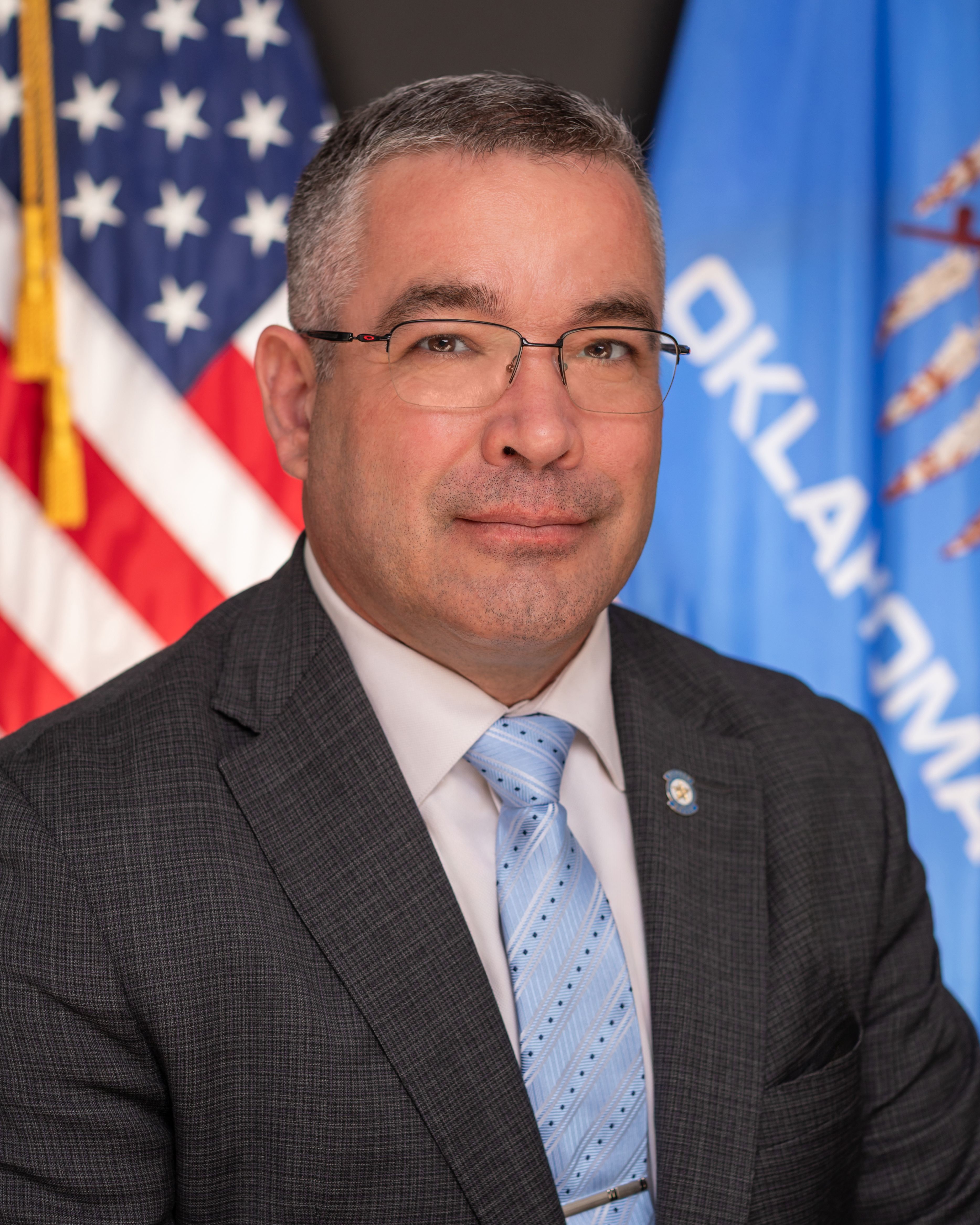
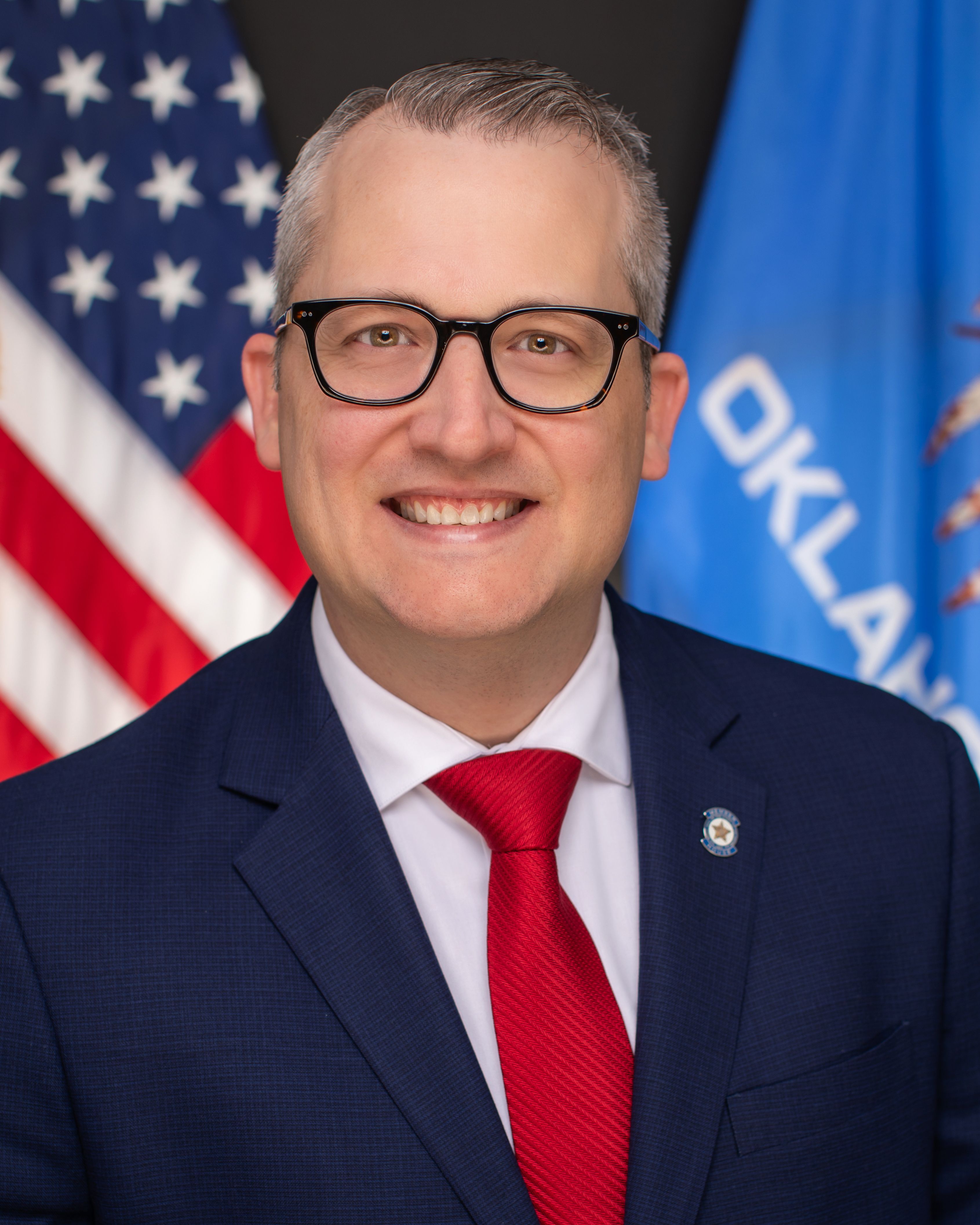
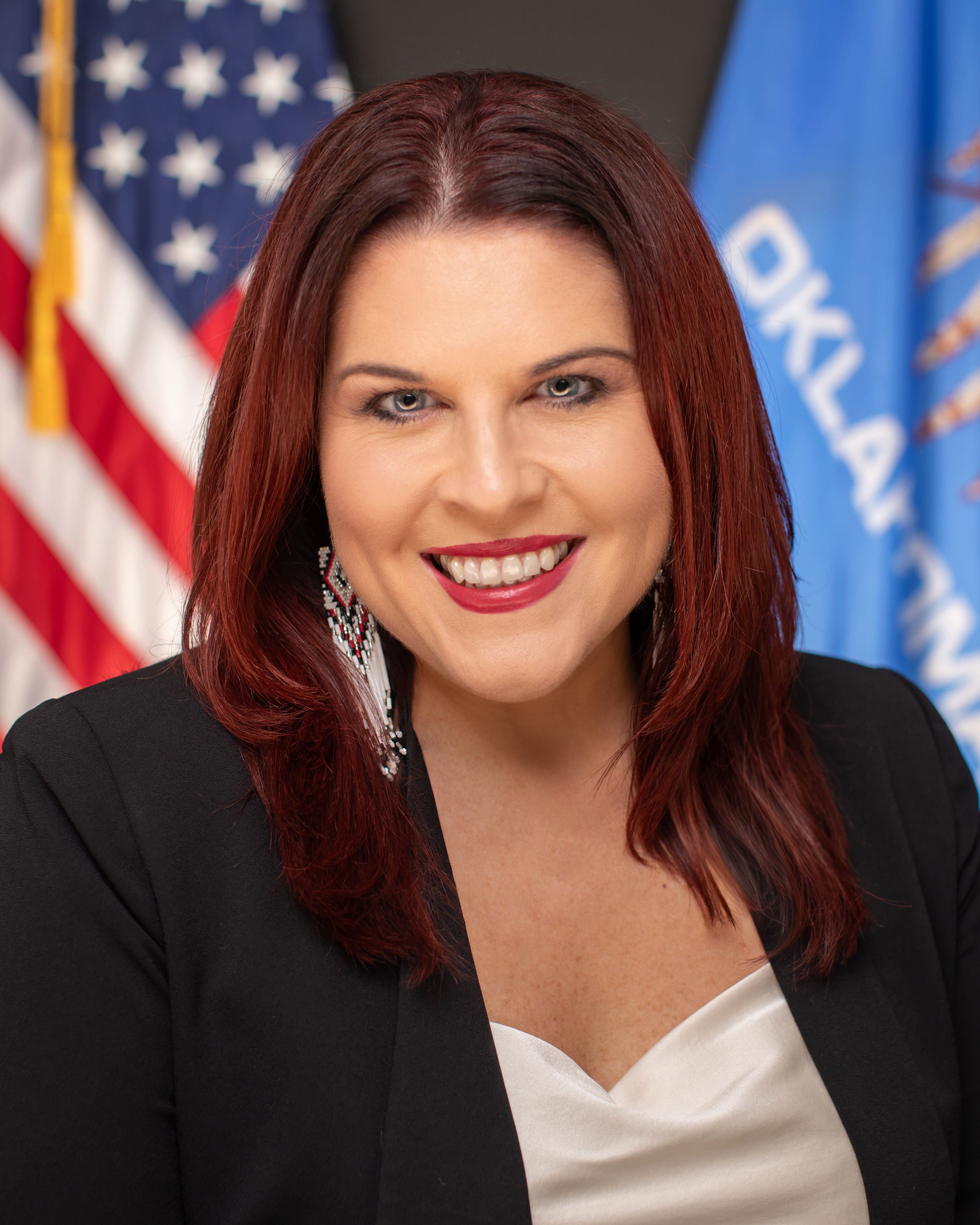
Chris Banning
Chris Banning House · District 24
R
Strong +
100% 5
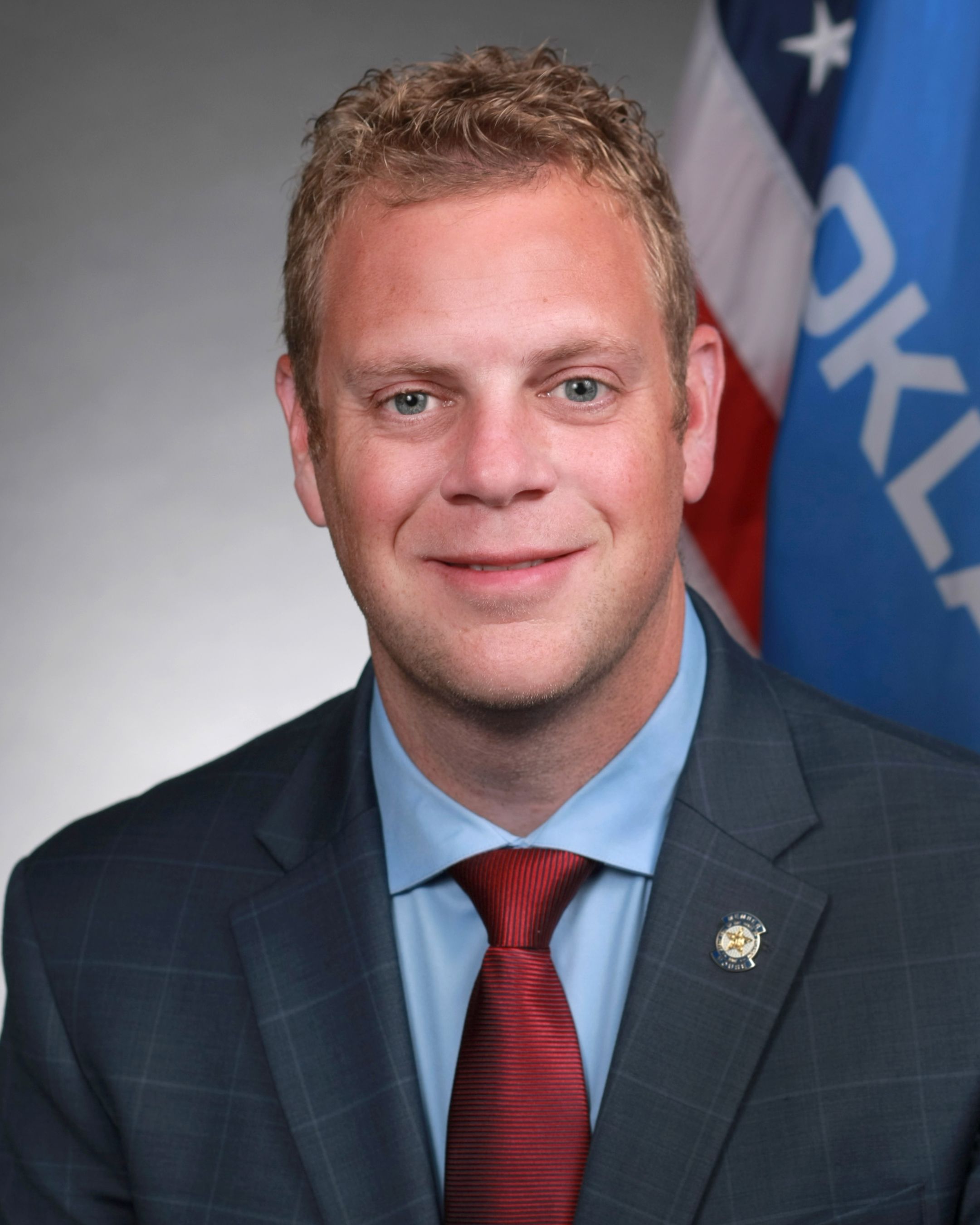
Brad Boles
Brad Boles House · District 51
R
Strong +
100% 4
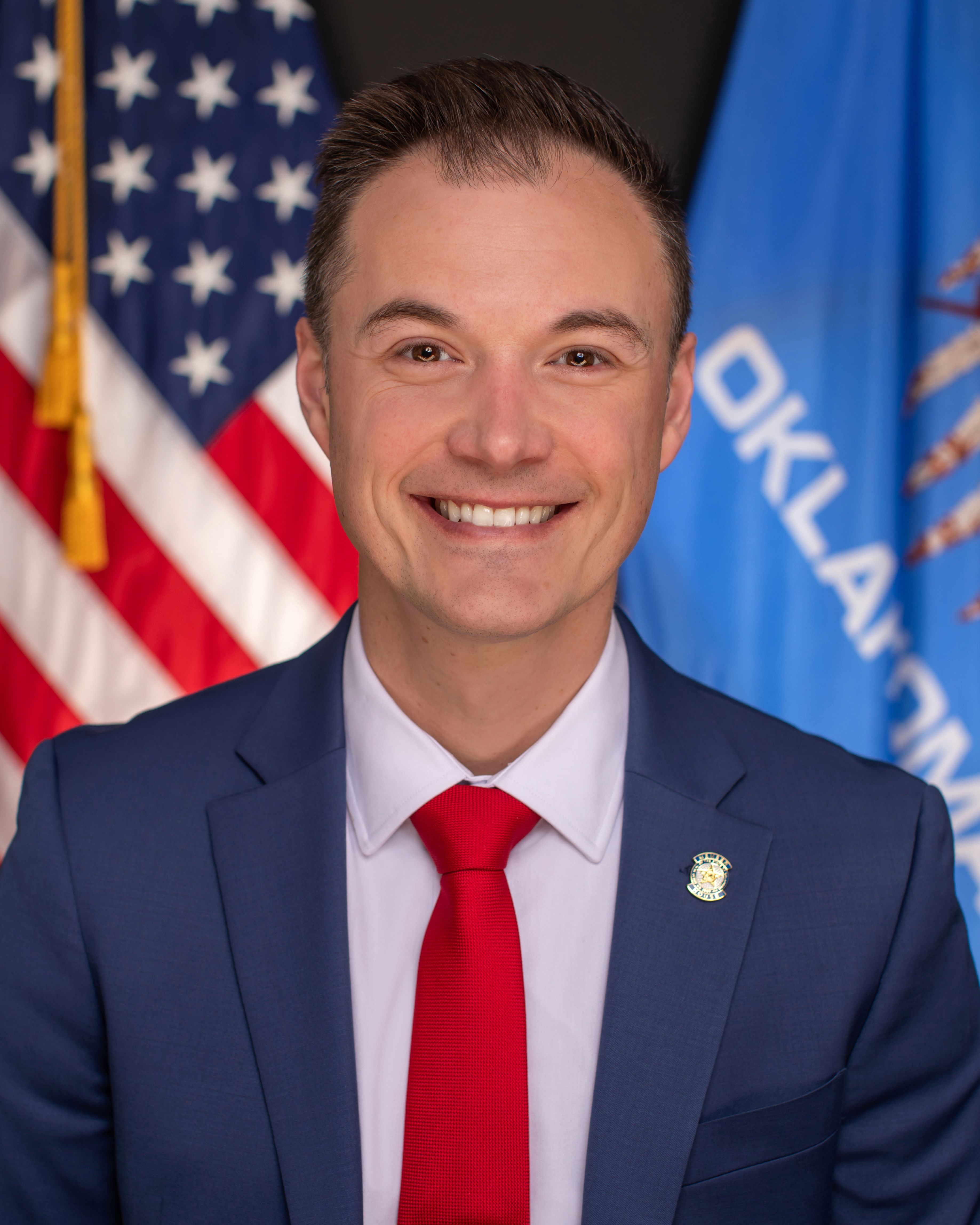
Cody Maynard
Cody Maynard House · District 21
R
Strong +
100% 4
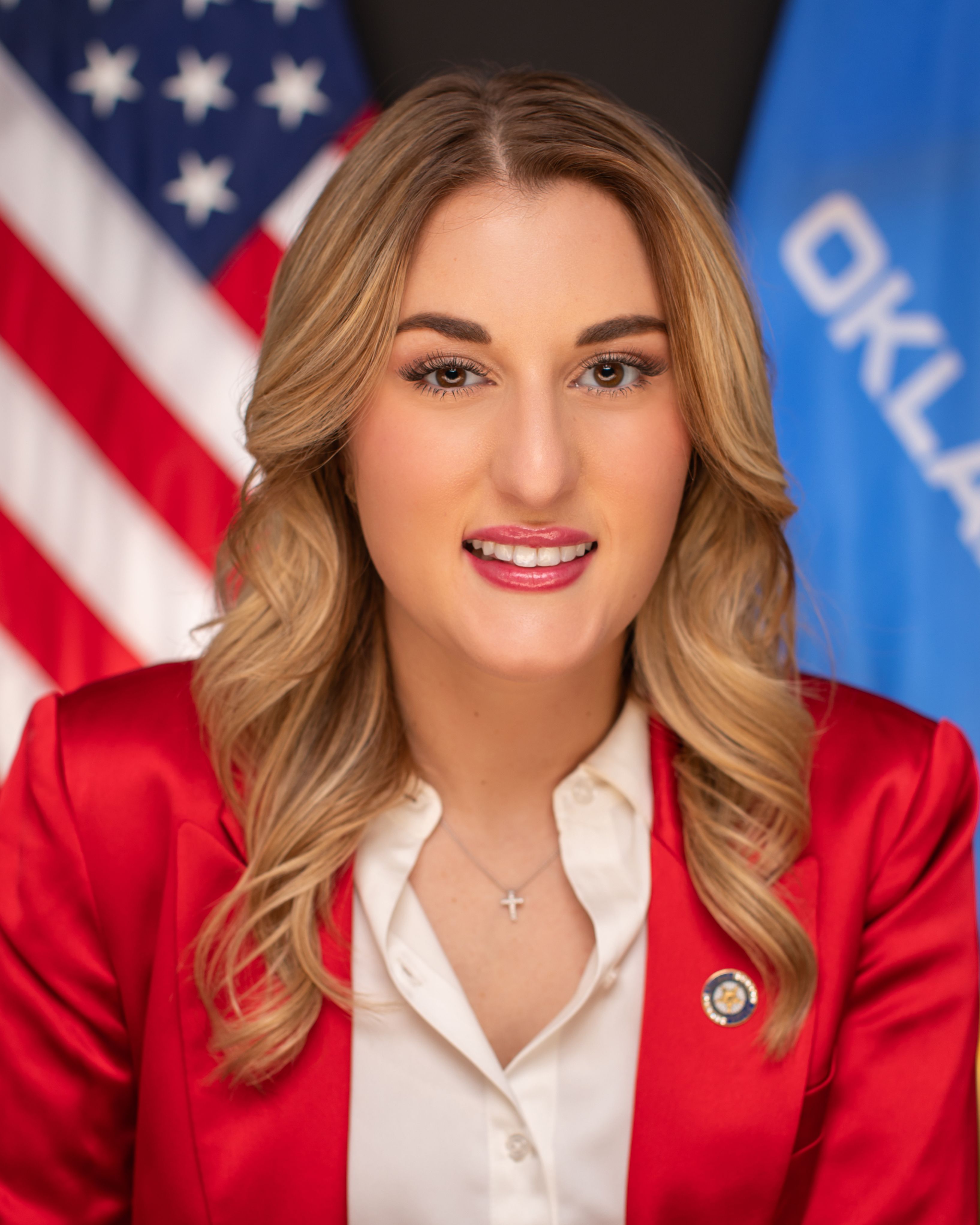
Emily Gise
Emily Gise House · District 90
R
Strong +
100% 4
Mark Lawson
Mark Lawson House · District 30
R
Strong +
100% 4
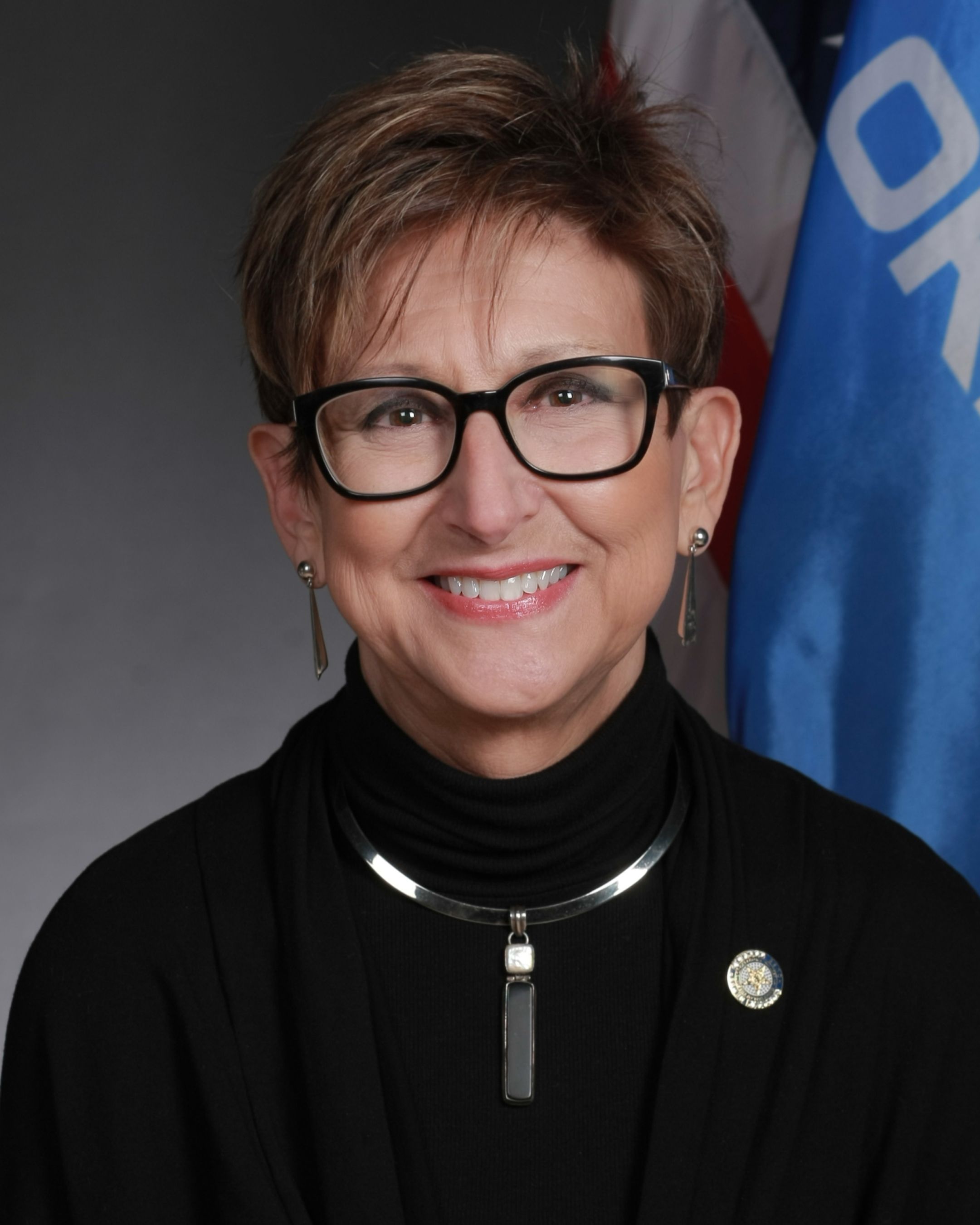
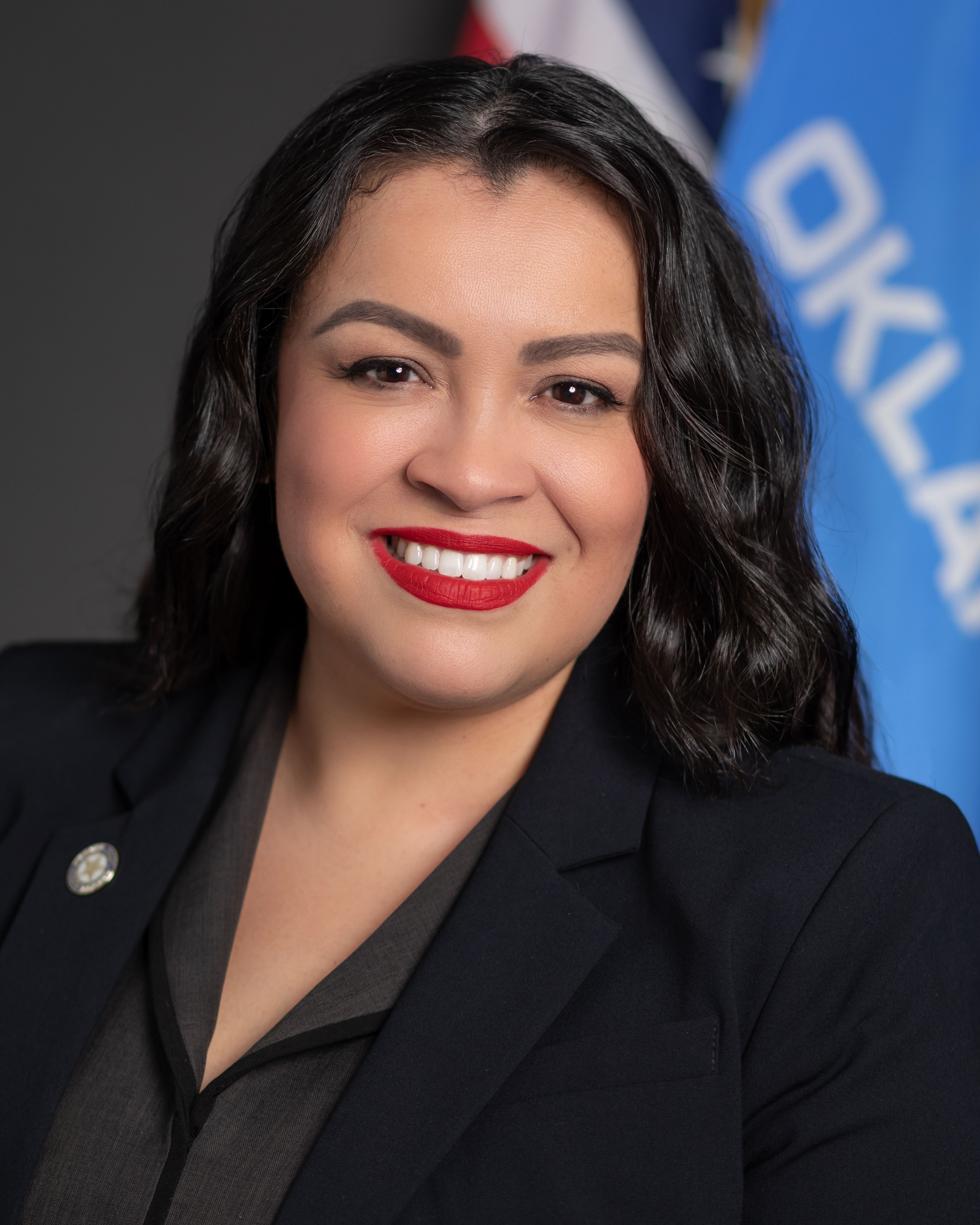
Meloyde Blancett
Meloyde Blancett House · District 78
D
Strong −
0% 5
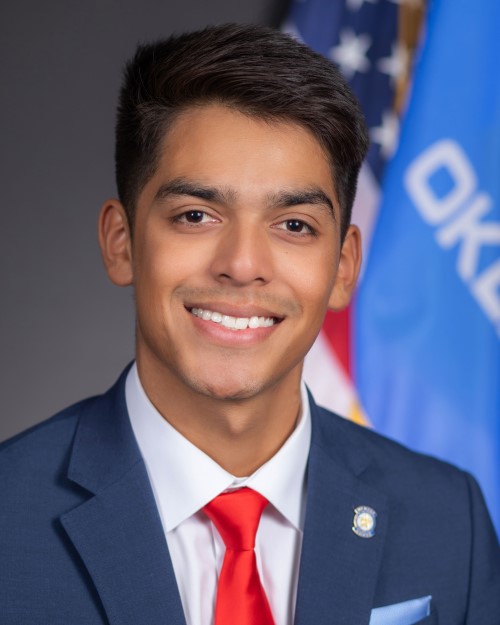
Arturo Alonso
Arturo Alonso House · District 89
D
Strong −
0% 4
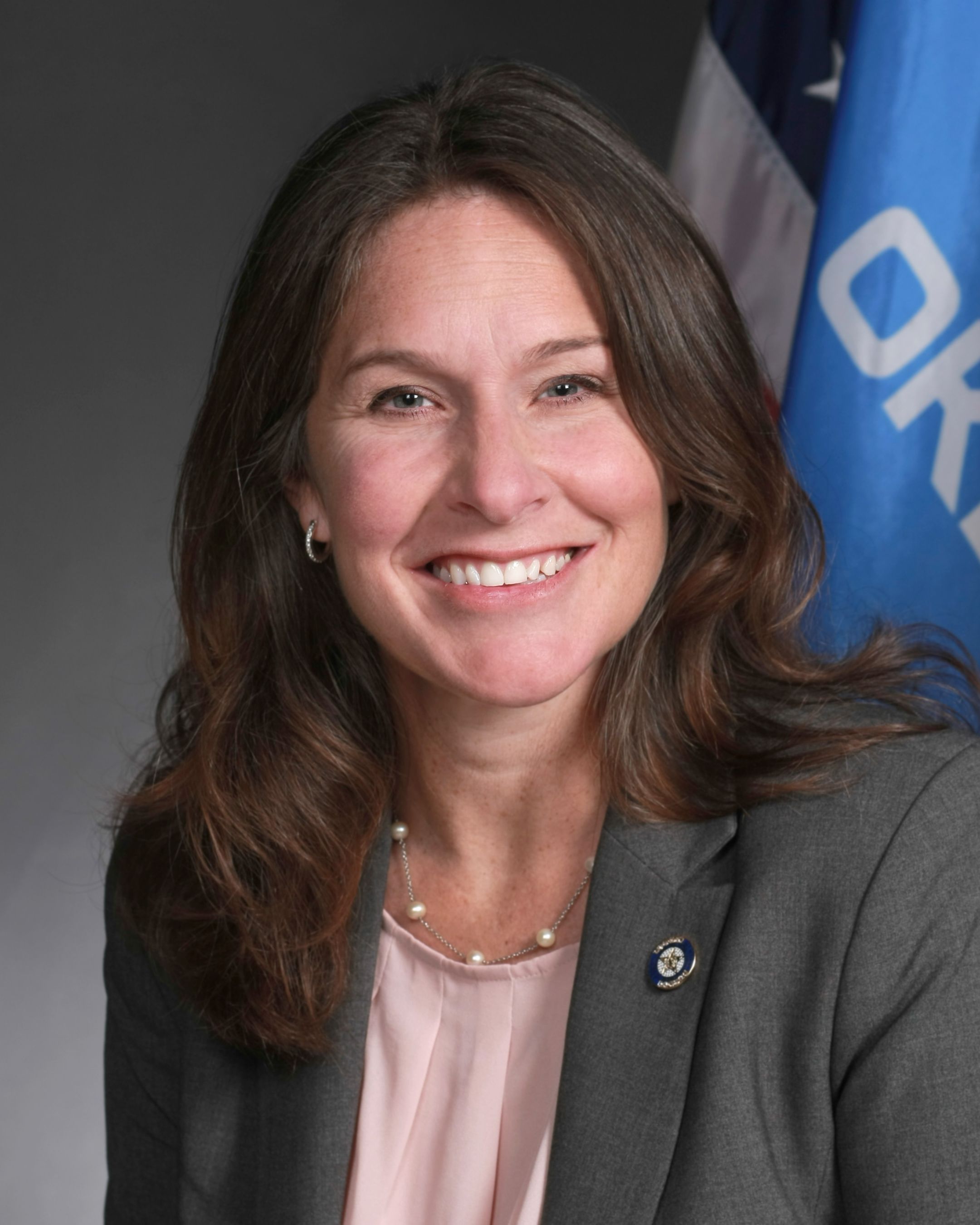
Melissa Provenzano
Melissa Provenzano House · District 79
D
Strong −
0% 4
Amanda Clinton
Amanda Clinton House · District 71
D
Strong −
0% 3
Annie Menz
Annie Menz House · District 45
D
Strong −
0% 3
Showing 3 of 3 bills

All criminal justice bills

signed · Oklahoma · House May 12, 2026

HB 4113: Voting access; modifying qualifications for convicted felons; effective date.

This bill proposes changes to Oklahoma's voting eligibility rules for individuals with criminal convictions. It would modify the current law regarding when felons regain their right to vote after completing their sentences. The amendment seeks to restore specific language that defines the conditions under which convicted felons can vote again. This legislation directly affects people with criminal records who are seeking to restore their voting rights. The bill is currently in the early stages of the legislative process and has been referred to the Judiciary Committee for further review.
Sub-Topics Civil Rights
signed · Oklahoma · House Apr 20, 2026

HB 3127: Medical marijuana; policy for applicants and employees; exceptions; effective date.

HB 3127 protects Oklahoma medical marijuana patients and caregivers from discrimination in employment, public assistance, and firearm ownership. It prohibits employers from refusing to hire, firing, or penalizing individuals solely for being a licensed medical marijuana user, and bars denial of Medicaid, SNAP, or firearm rights based on that status. However, the bill mandates a "zero-tolerance" policy for safety-sensitive jobs (like operating vehicles, handling hazardous materials, or direct patient care), allowing employers to enforce drug testing and discipline for marijuana use at work. Employers may still maintain written drug testing policies under state standards, but cannot deny employment based solely on medical marijuana license status or a positive test if the user is licensed and not impaired at work.
in committee · Oklahoma · Senate Feb 3, 2026

SB 1762: Protection of fundamental rights; prohibiting certain acts of punishment, penalty, or legal sanction. Effective date.

SB 1762, the "Oklahoma Protection of Fundamental Rights and Public Policy Act," prohibits female genital mutilation (FGM) as a felony punishable by up to five years in prison and a $20,000 fine, while banning corporal punishments like stoning, flogging, or amputation as legal sanctions. It extends the statute of limitations for civil claims involving sexual assault or coercive medical procedures (including those related to gender identity) until the victim's 45th birthday and invalidates marriages entered under coercion, force, or for minors under 18. The bill also prohibits discrimination based on gender or religion in family law matters, such as inheritance or custody, and invalidates arbitration agreements that would enforce discriminatory rules. Male circumcision for religious, cultural, or medical reasons remains permitted under the law.