Issue · Criminal Justice

Criminal Justice (Law Enforcement)

Every criminal justice bill, vote, and legislator stance in Oklahoma, automatically classified by Maddy, our AI policy reader.

Total bills
88
2026 Regular Session
Top supporter
Trey Caldwell
100% support rate
Top opponent
Brian Guthrie
17% support rate
Ranked legislators
10
5 support · 5 oppose
Key legislators

Who's moving law enforcement in Oklahoma

Legislators moving law enforcement in Oklahoma
Legislator Party Stance Support rate Votes
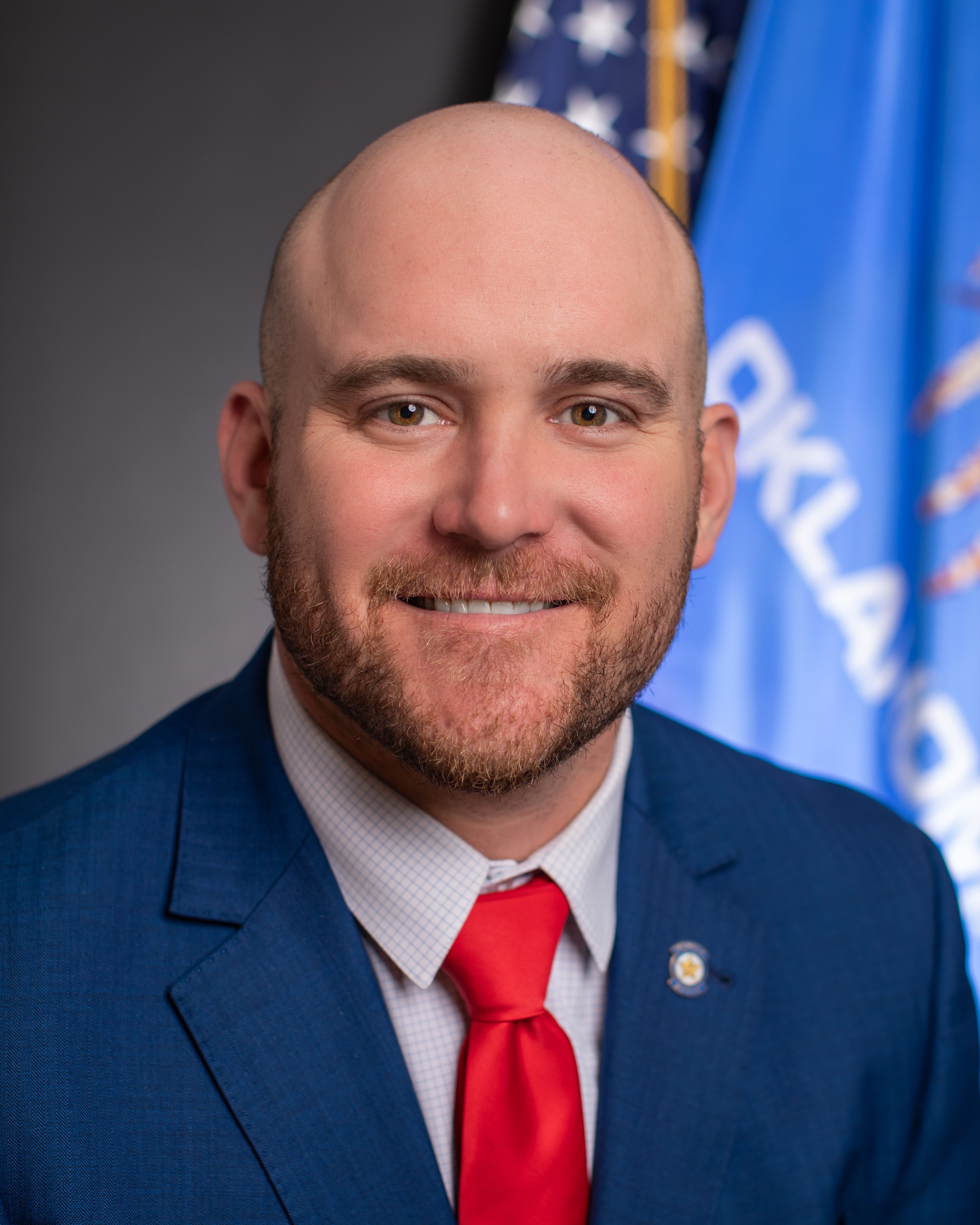
Trey Caldwell
Trey Caldwell House · District 63
R
Strong +
100% 5
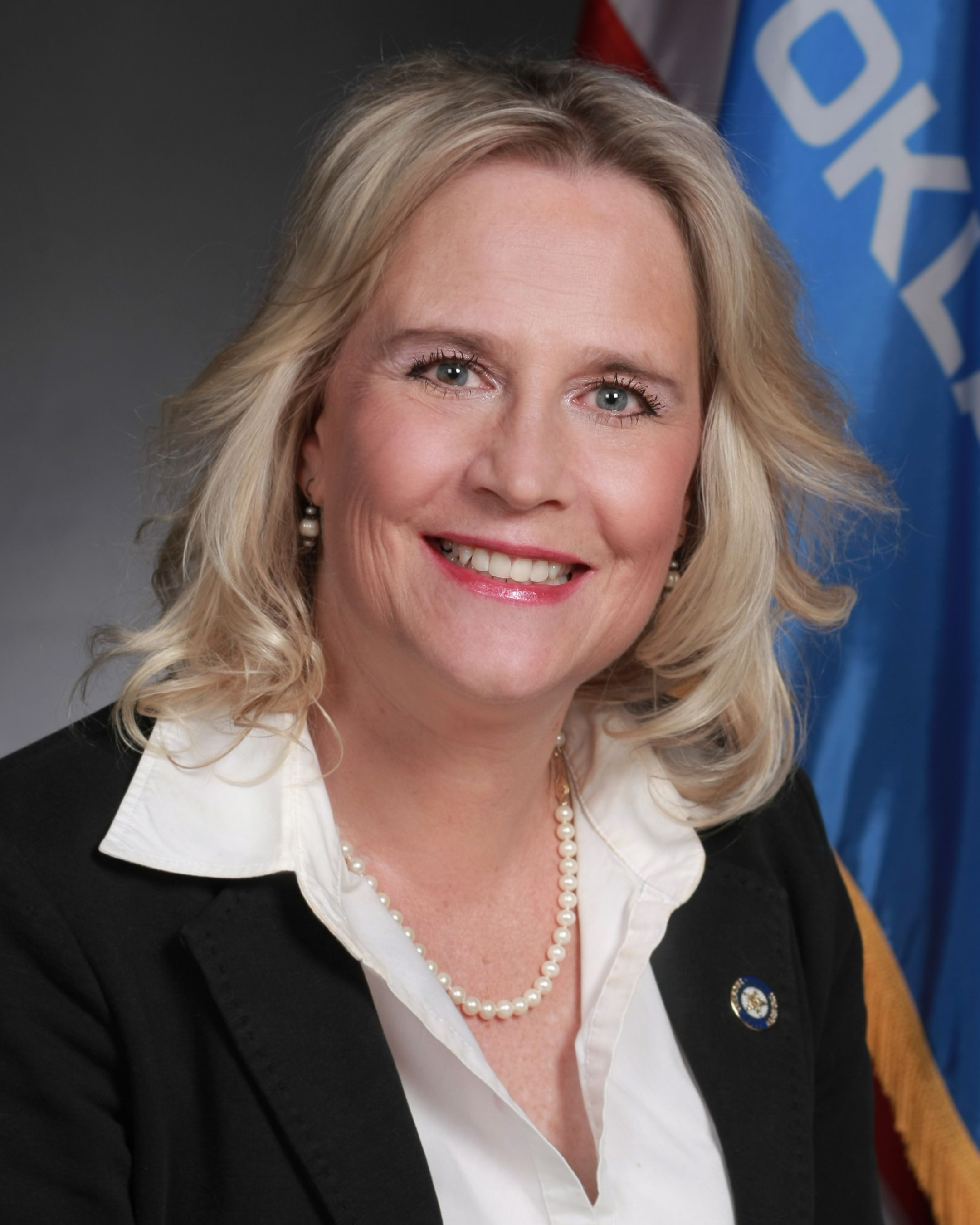
Nicole Miller
Nicole Miller House · District 82
R
Strong +
100% 4
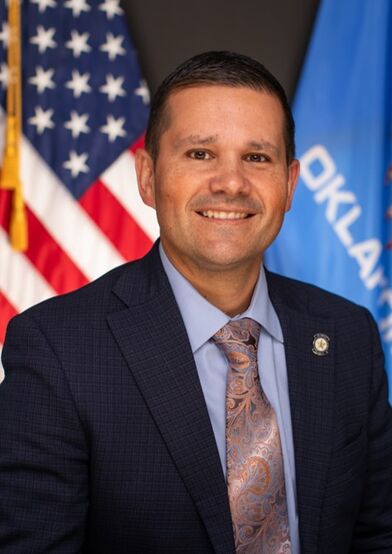
Bryan Logan
Bryan Logan Senate · District 8
R
Strong +
100% 3
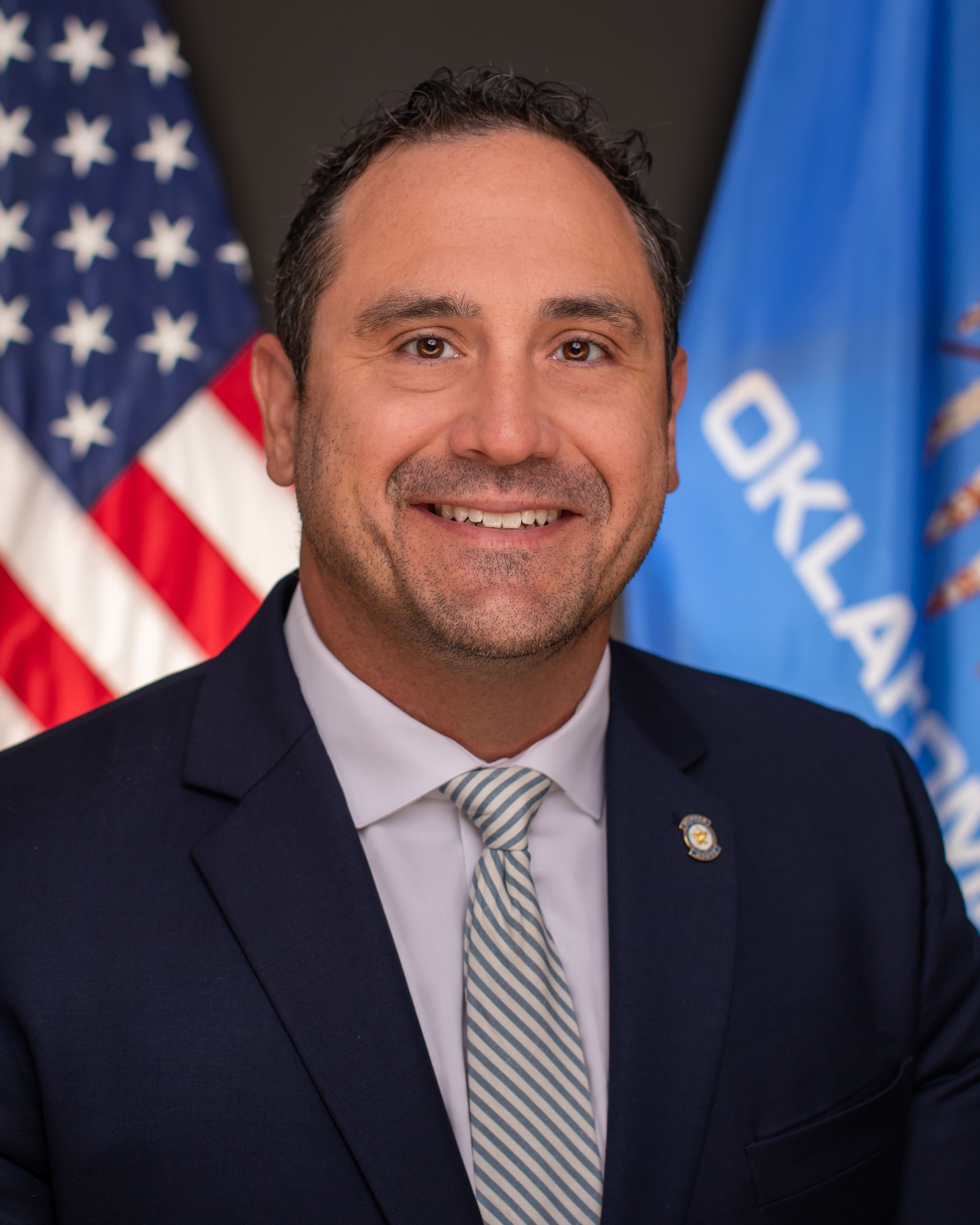
Nick Archer
Nick Archer House · District 55
R
Strong +
100% 3
Eddy Dempsey
Eddy Dempsey House · District 1
R
Strong +
88% 8
Brian Guthrie
Brian Guthrie Senate · District 25
R
Strong −
17% 6
Julie McIntosh
Julie McIntosh Senate · District 3
R
Strong −
17% 6
Lisa Standridge
Lisa Standridge Senate · District 15
R
Strong −
17% 6
Dana Prieto
Dana Prieto Senate · District 34
R
Oppose
25% 8
Dusty Deevers
Dusty Deevers Senate · District 32
R
Oppose
29% 7
Showing 1–10 of 88 bills

All criminal justice bills

in committee · Oklahoma · Senate Mar 6, 2025

SB 945: Crimes and punishments; relating to animal cruelty; creating misdemeanor and felony offenses; modifying scope and penalty of certain felony offense. Effective date.

SB 945 proposes changes to animal cruelty laws by creating new misdemeanor and felony offenses for specific acts of animal abuse. The bill modifies the scope and penalties of existing felony offenses to address different levels of severity in animal cruelty cases. These changes directly affect individuals who commit animal abuse and law enforcement officials who enforce animal protection laws. The legislation aims to provide clearer legal definitions and more appropriate penalties for various forms of animal cruelty.
Sub-Topics Law Enforcement
in committee · Oklahoma · House Feb 3, 2026

HB 3555: Public safety; making certain exception for municipal police departments; providing for application for roadway designation as a safety corridor; effective date.

This bill amends Oklahoma law to clarify the law enforcement authority of the Department of Public Safety, specifically the Oklahoma Highway Patrol, by explicitly designating its officers as state peace officers with broad powers to enforce traffic and vehicle-related laws. The legislation allows the department to pursue violators across state lines, inspect vehicles for safety and registration compliance, seize unsafe or stolen vehicles, and enforce regulations on commercial motor carriers and fuel taxes. It also establishes a process for designating certain roadways as safety corridors where the department may have special enforcement authority, while ensuring these expanded powers do not limit the authority of local sheriffs or other peace officers.
Sub-Topics Law Enforcement Policing Roads & Highways Tags Public Safety
signed · Oklahoma · Senate May 6, 2026

SB 2072: Conveyances; prohibiting charging fee for certain filing; requiring certain notice to certain law enforcement agencies. Effective date.

SB 2072 prevents property title theft by requiring county clerks to accept and record notices of fraudulent property transfers without charging a filing fee. It directly affects victims of title theft (people whose property titles were stolen), county clerks, and local law enforcement agencies. The bill mandates that after filing such a notice, county clerks must send a copy to the district attorney and local police for investigation. The law takes effect November 1, 2026, and allows victims to seek court enforcement if a clerk unjustly refuses to record a valid notice.
in committee · Oklahoma · Senate Feb 3, 2026

SB 1704: Law enforcement; prohibiting certain actions related to recordings. Effective date.

This bill requires law enforcement officers to keep audio and video recordings active from vehicle equipment and body-worn devices during official duties. It prohibits officers from muting, pausing, or disabling these recordings while performing their duties. The law applies directly to all Oklahoma law enforcement officers using recording equipment. The policy change takes effect November 1, 2026.
Sub-Topics Law Enforcement
signed · Oklahoma · Senate May 29, 2026

SB 1859: Oklahoma State Bureau of Investigation; creating the Cyber Crime Fraud Unit; revolving fund. Effective date. Emergency.

SB 1859 creates a Cyber Crime and Fraud Unit within Oklahoma's State Bureau of Investigation (OSBI) to enhance investigations into cyber-enabled crimes (like ransomware and digital extortion), financial fraud (including identity theft), and digital evidence handling. The bill establishes a revolving fund with a $3 million appropriation from the General Revenue Fund for fiscal 2026, allowing the unit to operate without annual budget constraints. The unit can only investigate upon requests from local law enforcement, Governor direction, or under existing statutes - explicitly stating it does not expand OSBI's jurisdiction. It will provide technical support, training to law enforcement, and coordinate with federal and tribal partners on cybercrime cases.
in committee · Oklahoma · Senate Feb 11, 2026

SB 1462: Oklahoma Organized Retail Crime Task Force; extending sunset date. Effective date. Emergency.

SB 1462 extends the deadline for the Oklahoma Organized Retail Crime Task Force from June 1, 2026, to July 1, 2036. The task force, composed of 15 members representing law enforcement, retail associations, and government agencies, must submit a report by December 31, 2025, analyzing organized retail theft impacts and recommending solutions. The bill updates statutory language and declares an emergency to take effect July 1, 2026. It directly affects the task force members, state officials receiving the report, and Oklahoma businesses impacted by retail theft.
Sub-Topics Law Enforcement
in committee · Oklahoma · Senate Apr 30, 2026

SB 1584: Oklahoma State Bureau of Investigation; modifying time frame for which sexual assault evidence kits must be submitted and tested. Effective date.

SB 1584 modifies Oklahoma law regarding sexual assault evidence kits by reducing the deadline for law enforcement to submit kits to crime labs from 20 to 10 days after a sexual assault report is filed, unless the victim requests no testing. It requires crime labs to test kits within 30 days of receipt and mandates that medical providers inform victims of their right to request future testing. The bill also maintains a 50-year retention requirement for untested kits and requires law enforcement to coordinate with the Sexual Assault Forensic Evidence Task Force (SAFE) on processing guidelines. This directly affects law enforcement agencies, crime laboratories, and sexual assault victims in Oklahoma. The bill takes effect November 1, 2026.
in committee · Oklahoma · Senate Feb 3, 2026

SB 2094: Firearms; prohibiting certain persons from taking certain action; requiring certain actions; prohibiting certain liability. Effective date.

SB 2094, the "Firearm Preservation Act," requires Oklahoma law enforcement agencies to auction firearms they acquire (e.g., through court orders, forfeitures, or estates) instead of destroying them. Agencies must sell these firearms only to individuals legally eligible to purchase them under state and federal law, with buyers passing required background checks. Proceeds from auctions fund agency operations or training, and agencies are shielded from liability if auctioned firearms are later used in crimes. The law mandates agencies to maintain detailed auction records for five years and imposes fines for noncompliance.
in committee · Oklahoma · Senate Feb 3, 2026

SB 1467: Criminal justice data; requiring sharing of certain information upon request. Effective date.

SB 1467 requires Oklahoma criminal justice agencies (like police departments, courts, and correctional facilities) to share specific public criminal justice data with approved researchers upon request. This includes information on law enforcement stops, arrests, court proceedings, and corrections, but only if the data is already available to the public under Oklahoma's Open Records Act. Researchers must prove they are "bona fide" (with institutional review board approval and agreements to use data solely for research, without public disclosure) and agencies may charge reasonable fees for search and copying. The law takes effect January 1, 2027, with requests not accepted before July 1, 2027, and the Attorney General must provide compliance guidance.
in committee · Oklahoma · House Feb 3, 2026

HB 4151: Domestic abuse; directing law enforcement officers to conduct interviews regarding domestic abuse; codification; effective date.

HB 4151 requires Oklahoma law enforcement to interview family members before finalizing death investigations when a decedent has an identifiable history of domestic abuse and specific factors are present (e.g., premature death, scene resembling suicide, history of coercive control, or strangulation). It mandates current domestic abuse training for investigators, allows family access to victim services during investigations, and gives families the right to request investigation records if a case is closed without a homicide finding. The bill also specifies 10 conditions triggering autopsy requests and clarifies that it doesn’t override existing investigation discretion or impose new liability on agencies. It applies to deaths involving domestic abuse victims and takes effect November 1, 2026.
Showing 1 to 10 of 88 bills
1 2 3 9 Next