Issue · Criminal Justice

Criminal Justice (Corrections)

Every criminal justice bill, vote, and legislator stance in Oklahoma, automatically classified by Maddy, our AI policy reader.

Total bills
66
2026 Regular Session
Top supporter
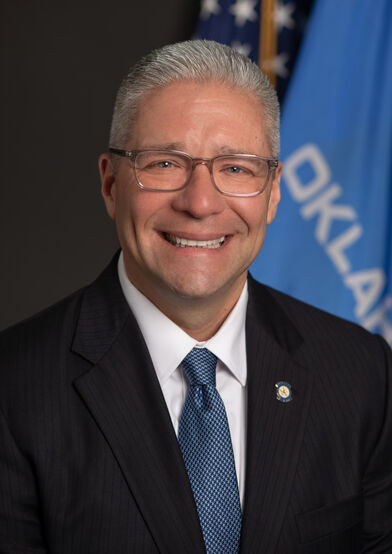
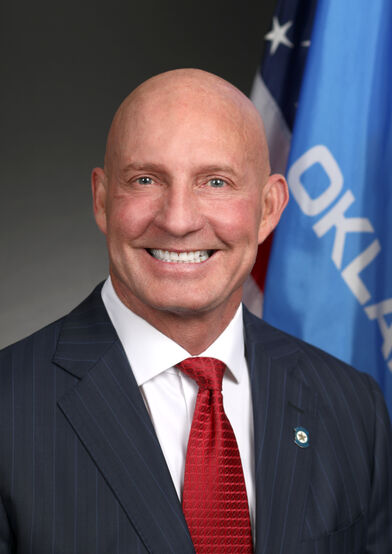
John Waldron
89% support rate
Top opponent
Lisa Standridge
12% support rate
Ranked legislators
10
5 support · 5 oppose
Key legislators

Who's moving corrections in Oklahoma

Legislators moving corrections in Oklahoma
Legislator Party Stance Support rate Votes
John Waldron
John Waldron House · District 77
D
Strong +
89% 19
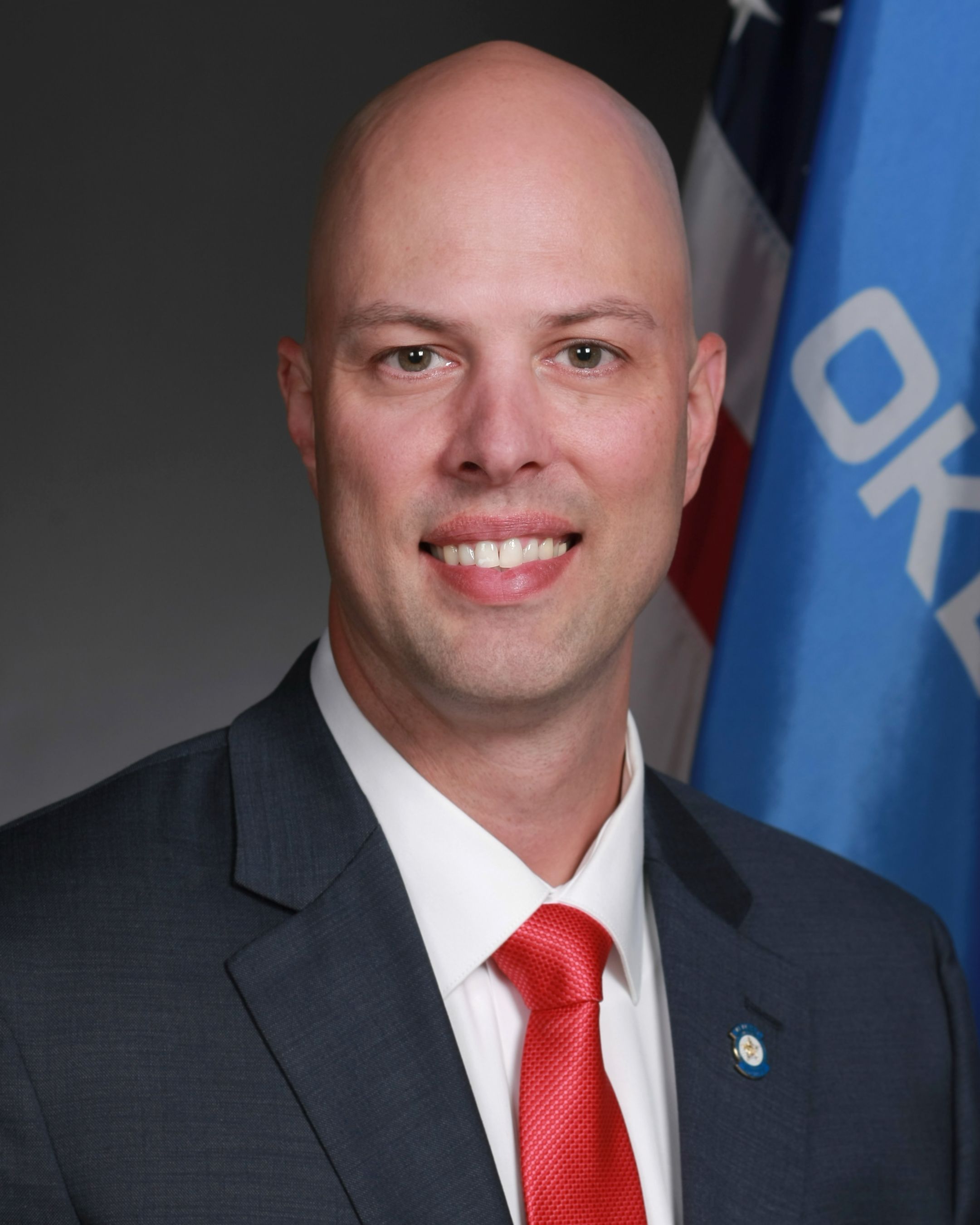
Michael Brooks
Michael Brooks Senate · District 44
D
Strong +
88% 51
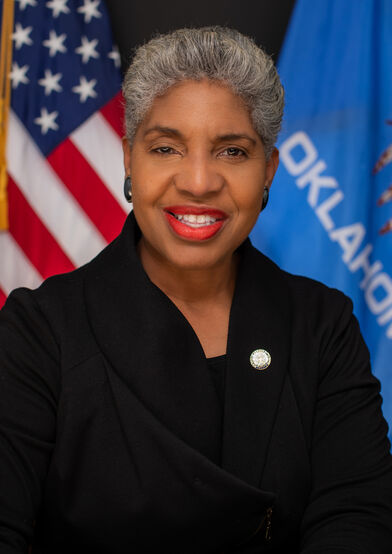
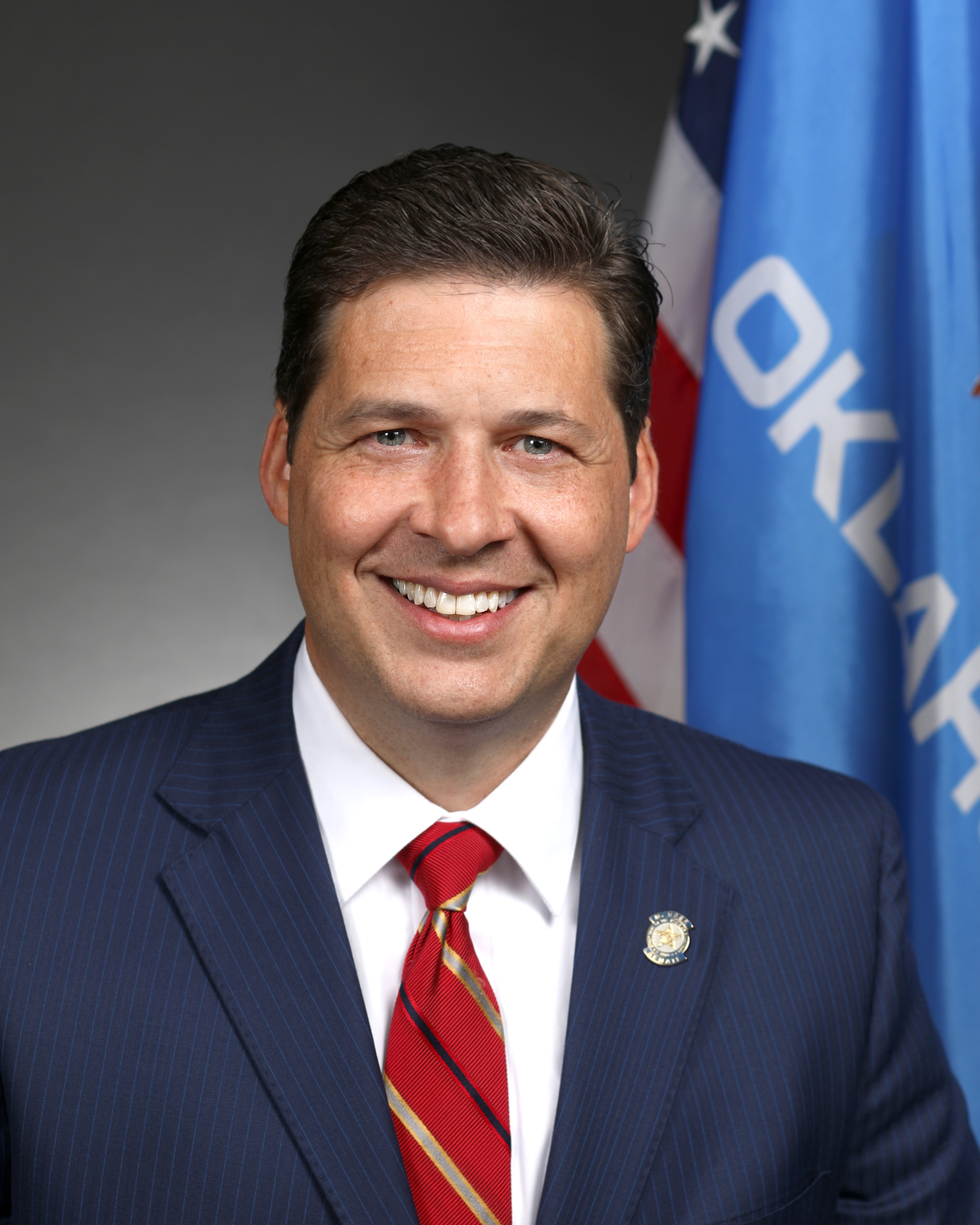
Regina Goodwin
Regina Goodwin Senate · District 11
D
Strong +
87% 45
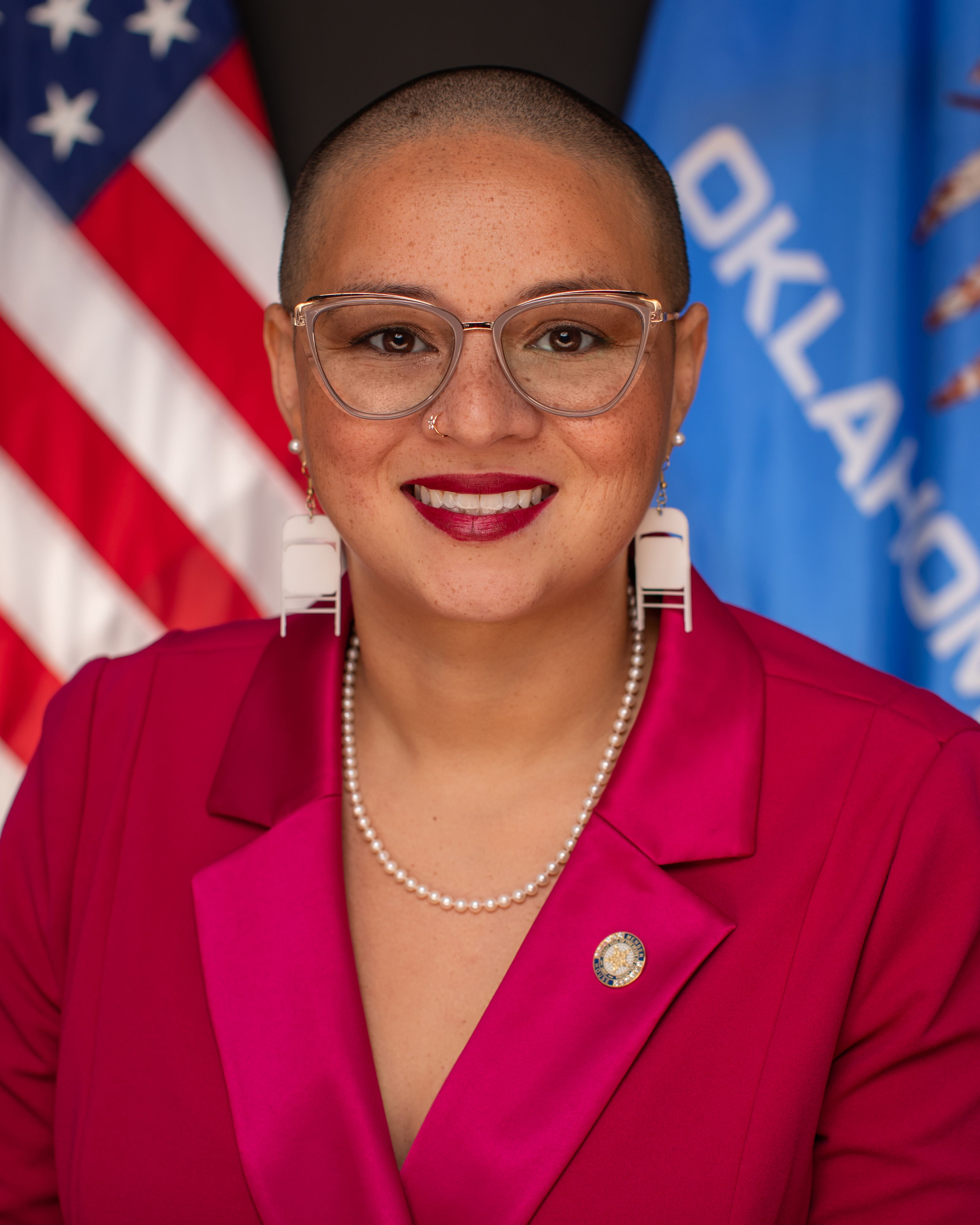
Michelle McCane
Michelle McCane House · District 72
D
Strong +
86% 22
Nikki Nice
Nikki Nice Senate · District 48
D
Strong +
85% 27
Lisa Standridge
Lisa Standridge Senate · District 15
R
Strong −
12% 32
Casey Murdock
Casey Murdock Senate · District 27
R
Strong −
14% 43
Darrell Weaver
Darrell Weaver Senate · District 24
R
Strong −
14% 43
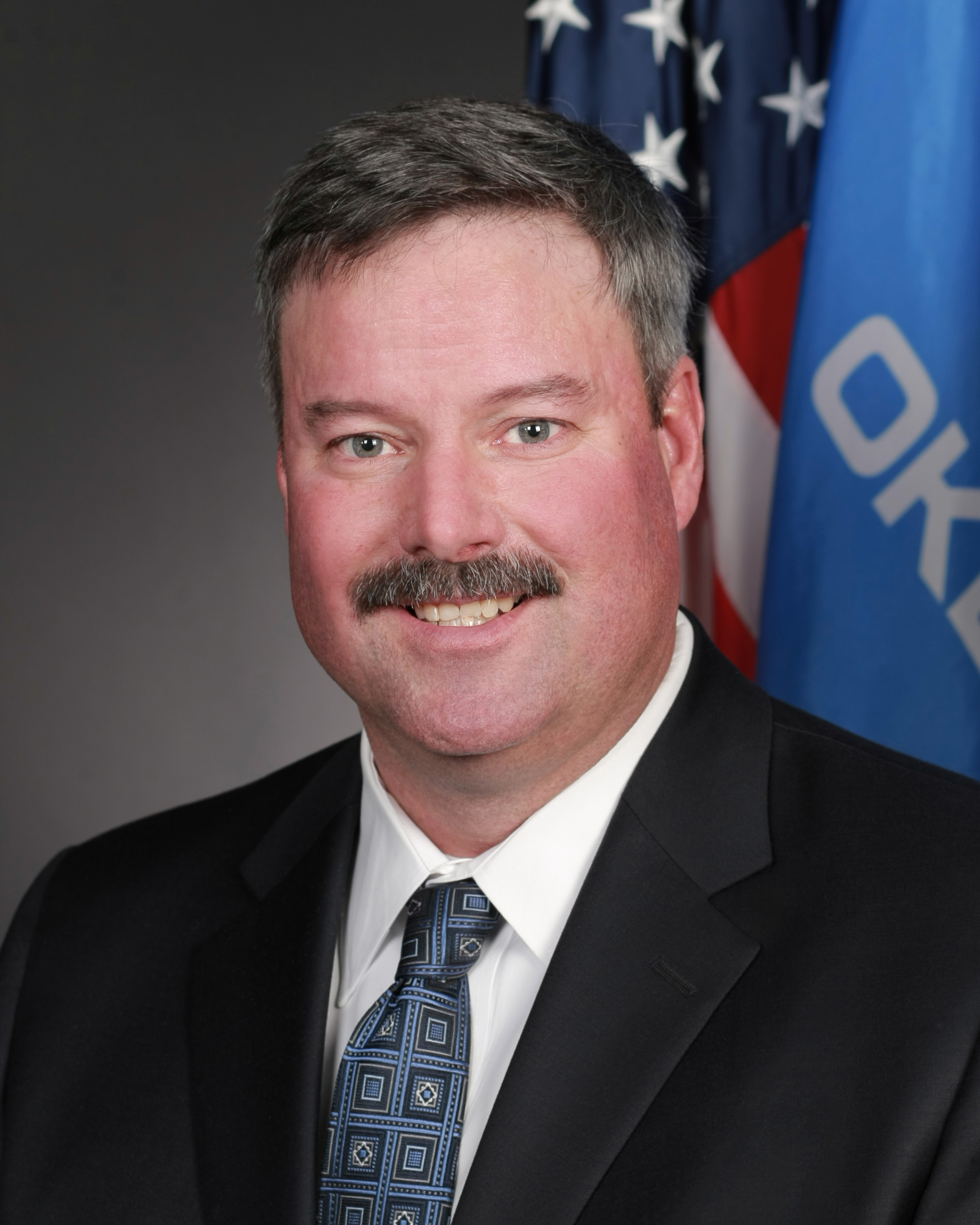
Jay Steagall
Jay Steagall House · District 43
R
Strong −
14% 14
Shane Jett
Shane Jett Senate · District 17
R
Strong −
15% 27
Showing 51–60 of 66 bills

All criminal justice bills

in committee · Oklahoma · Senate Feb 4, 2025

SB 145: Department of Corrections; requiring certain accommodations for certain inmates. Effective date.

SB 145 requires Oklahoma correctional facilities to provide specific accommodations for lactating inmates, including equipment for pumping breast milk, storage bags, refrigeration/freezing options, and safe handling procedures for delivering breast milk to a designated recipient. The bill directly affects incarcerated individuals who are postpartum and lactating. The Oklahoma Department of Corrections must create implementing rules to administer these requirements, with the law taking effect November 1, 2025. This policy change mandates concrete facility provisions rather than altering broader correctional practices.
Sub-Topics Corrections
signed · Oklahoma · House May 5, 2025

HB 1364: Crimes and punishments; sexual obscenity; making certain acts unlawful; effective date.

HB 1364 prohibits the nonconsensual sharing of AI-generated sexual images or real images of someone in a sexual act or showing intimate body parts without their consent. It defines "artificially generated sexual depiction" as images created using AI or photo editing that appear authentic but did not occur in reality. Violating this law is a misdemeanor (up to 1 year in jail or $1,000 fine) for first offenses, and a felony (up to 10 years in prison and sex offender registration) for repeated violations (three or more images within six months). The law applies to both real images and AI-generated content, with exemptions for criminal investigations and public exposure.
signed · Oklahoma · House May 7, 2025

HB 1995: Crimes and punishments; definitions of sex crimes; designating school resource officers as employees of a school system; emergency.

HB 1995 expands Oklahoma's definition of rape to include sexual acts between students aged 16-19 (while under school custody) and school employees (including resource officers) who are 18 or older. It explicitly designates school resource officers as school employees for these provisions and adds similar protections for foster children under 19 and secondary school students concurrently enrolled in higher education with staff. The law specifies that such acts are rape under Section 1111, with penalties including minimum 3-year prison terms (25 years for victims under 12). It also updates related provisions in Section 1123 regarding lewd acts with children under 16.
passed · Oklahoma · House Apr 17, 2025

HB 1215: Human trafficking; creating the Human Trafficking Law; modifying scope of certain defined terms; requiring registration with the Sex Offenders Act; directing Information be submitted to the FBI; effective date.

HB 1215 establishes Oklahoma's first comprehensive human trafficking law by defining key terms like "coercion" (including threats, debt bondage, and controlling documents) and "human trafficking" (covering both labor exploitation and commercial sex acts). It makes trafficking a felony punishable by 5-20 years in prison (or $100,000 fine) for general cases, and 15-99 years (or $250,000 fine) if the victim is a minor. Convicted traffickers must register as sex offenders under Oklahoma's Sex Offenders Act and have their information submitted to the FBI. The law also prohibits using a victim's consent as a defense and requires courts to order restitution to victims.
in committee · Oklahoma · House Feb 5, 2025

HB 1240: Prisons and reformatories; granting elected state officials the right to access facilities operated by the Department of Corrections without prior notification; codification; effective date.

HB 1240 (Oklahoma) removes the requirement for elected state officials (such as legislators) to sign nondisclosure agreements before visiting Department of Corrections facilities. The bill amends Oklahoma law to ensure these officials can freely report or comment on facility conditions without prior notification or confidentiality restrictions. It directly affects state legislators and other elected officials who conduct facility inspections. The change takes effect November 1, 2025.
Sub-Topics Corrections
in committee · Oklahoma · House Feb 4, 2025

HB 2923: Prisoner reentry; creating the Oklahoma Prisoner Reentry Pilot Program; stating purpose of pilot program; codification; effective date.

HB 2923 creates the Oklahoma Prisoner Reentry Pilot Program to support inmates transitioning from prison to community life. It directly affects inmates under the Department of Corrections' jurisdiction who have a medium or high risk of felony re-arrest, focusing on those in counties with over 500,000 residents. The bill requires the Department to provide case management services connecting participants to 14 specific support areas, including housing, job training, healthcare, substance abuse treatment, and transitional services like transportation. The program must be evaluated annually to assess recidivism reduction, with results reported to the Legislature and Governor, and becomes effective November 1, 2025.
died · Oklahoma · House Feb 10, 2025

HB 1026: Crimes and punishments; making certain acts unlawful; codification; effective date.

HB 1026 makes it a misdemeanor to assault security officers, private investigators, or bail enforcers while they are performing their licensed duties. The law specifically applies when these professionals are wearing identifiable uniforms, badges, or proof of employment during lawful work. Conviction carries penalties of up to one year in jail, a $1,000 fine, or both. The bill would take effect November 1, 2025, and is codified in Oklahoma Statutes Title 21, Section 650.12.
died · Oklahoma · House Feb 12, 2025

HB 2883: Crimes and punishments; creating the Utility Worker Protection Act of 2025; establishing assault or battery of a utility worker as a felony; effective date.

HB 2883, the Utility Worker Protection Act of 2025, makes assault or battery against utility workers a felony. It defines "utility workers" as those employed by or contracted with companies providing electricity, water, natural gas, or other utility services while performing job duties. The bill sets penalties for such offenses at up to two years in prison, a $1,000 fine, or both, and states this law works alongside existing legal protections. The bill takes effect on November 1, 2025.
in committee · Oklahoma · House Feb 4, 2025

HB 1622: Crimes and punishments; modifying threshold amounts for certain penalties; effective date.

HB 1622 amends Oklahoma's larceny statute to lower the threshold for misdemeanor penalties when stealing retail or wholesale merchandise. It reduces the value threshold from $1,000 to $500 for first or second convictions, meaning thefts under $500 now carry misdemeanor penalties (up to 30 days jail or $500 fine), while thefts of $500-$2,500 remain felonies. The bill also clarifies that multiple thefts within 180 days can be combined to determine penalties, and requires restitution for victims. This directly affects individuals convicted of retail theft in Oklahoma, altering the severity of penalties based on the stolen property's value.
in committee · Oklahoma · House Feb 4, 2025

HB 1681: Public health and safety; providing an exception to Global Positioning System (GPS) monitoring device requirement; effective date.

HB 1681 modifies Oklahoma's trafficking law to temporarily exempt people charged with serious drug trafficking from wearing a GPS monitoring device while receiving hospital care for medical treatment. This applies specifically to individuals confined in county jail who require hospitalization and are released on their own recognizance for medical reasons. Once discharged, they must have a GPS device installed within 48 hours, with the cost paid by the individual. The bill does not change the requirement for GPS monitoring before hospitalization or after discharge, only provides a temporary exception during medical care.
Sub-Topics Corrections
Showing 51 to 60 of 66 bills
Previous 1 5 6 7 Next