Issue · Criminal Justice

Criminal Justice

Every criminal justice bill, vote, and legislator stance in Oklahoma, automatically classified by Maddy, our AI policy reader.

Total bills
309
2026 Regular Session
Top supporter
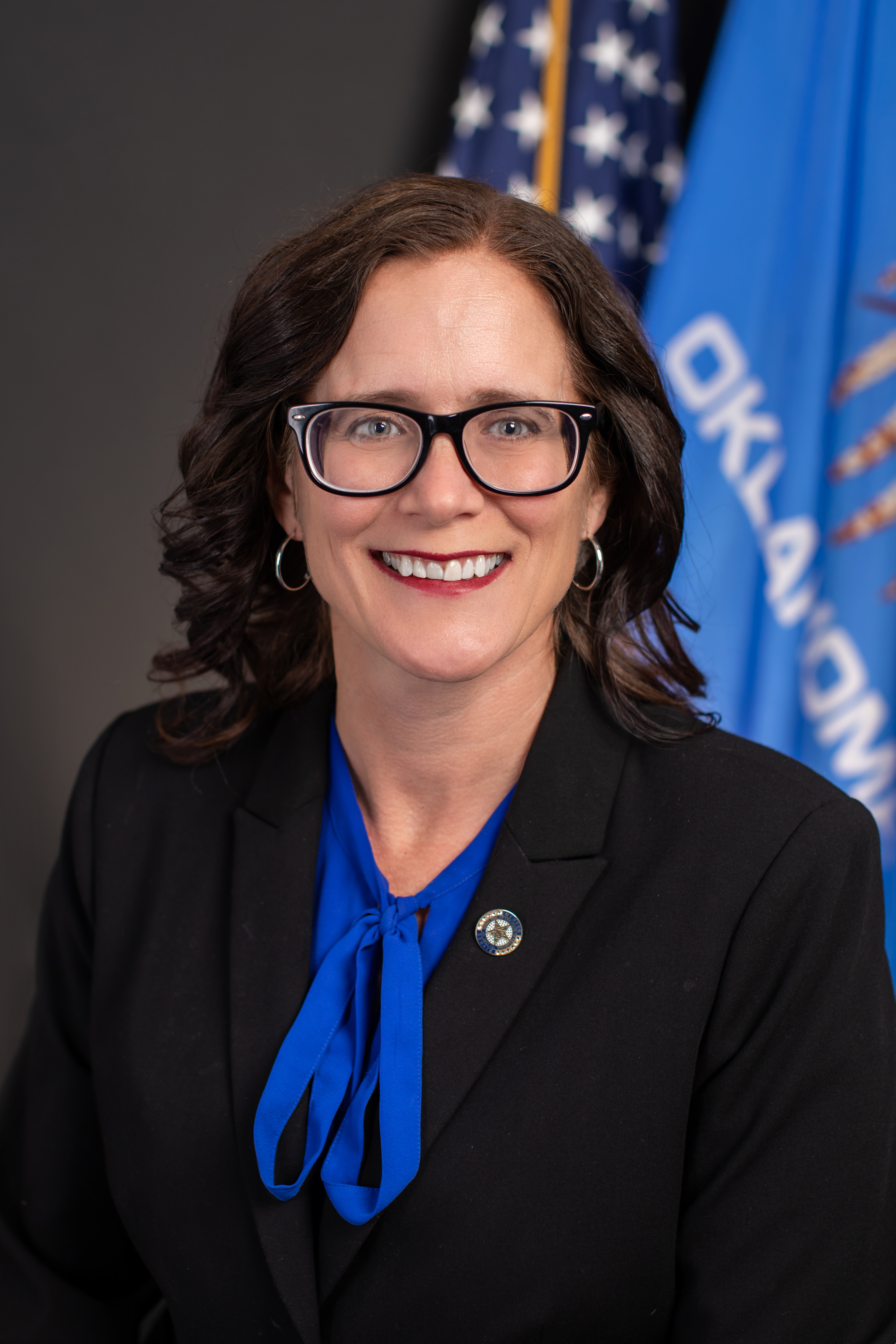
Aletia Timmons
76% support rate
Top opponent
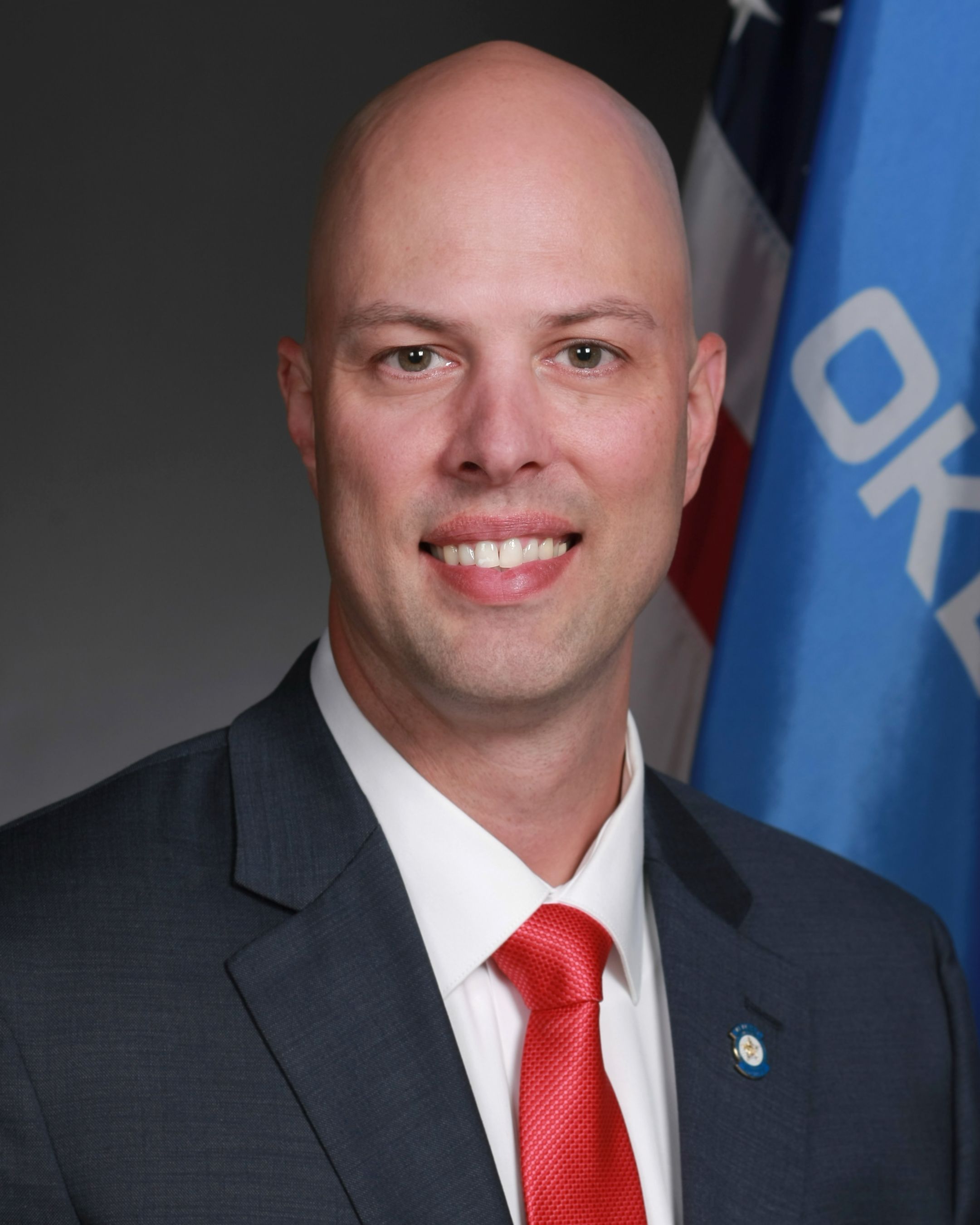
Brian Guthrie
24% support rate
Ranked legislators
10
5 support · 5 oppose
Key legislators

Who's moving criminal justice in Oklahoma

Legislators moving criminal justice in Oklahoma
Legislator Party Stance Support rate Decisive votes
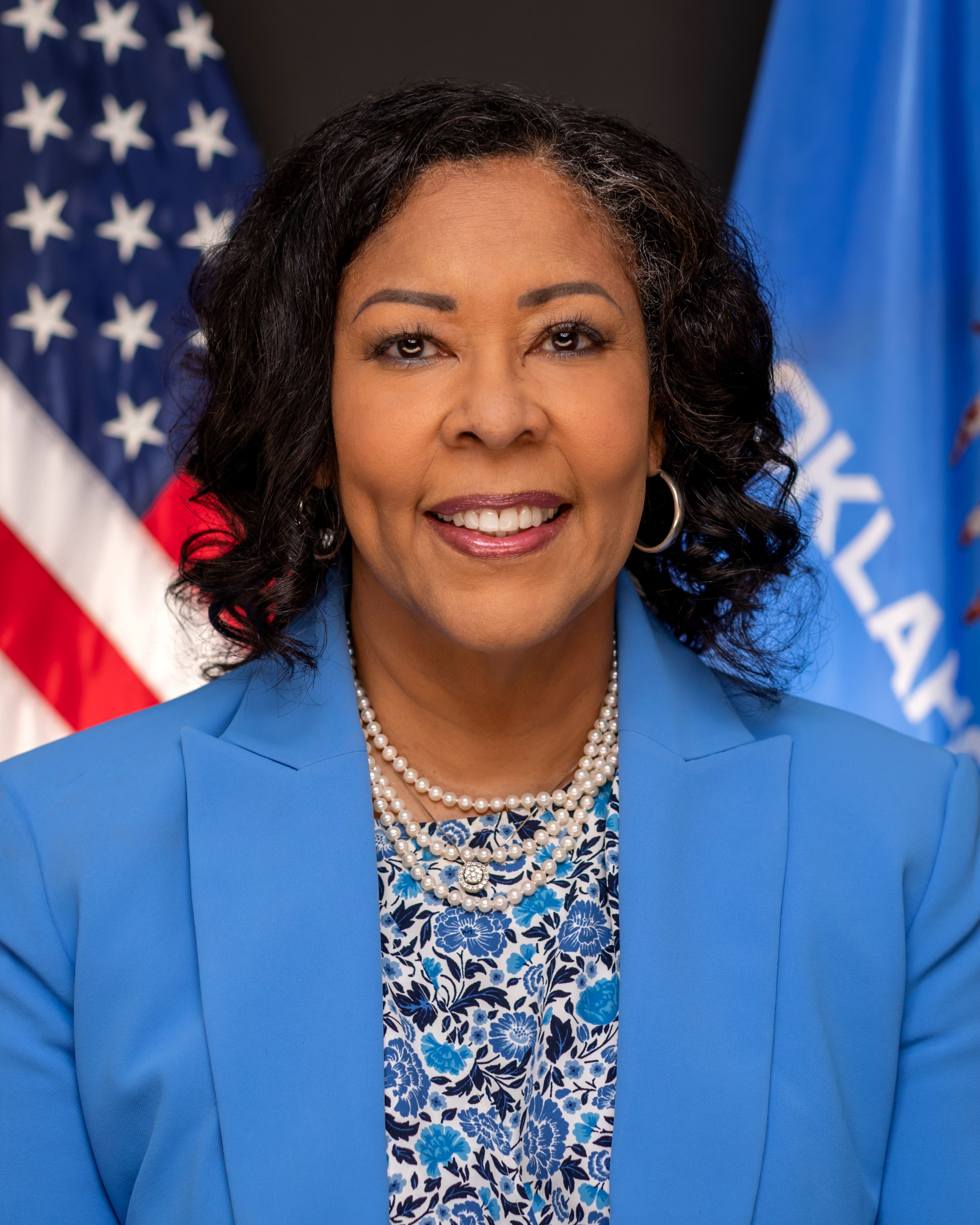
Aletia Timmons
Aletia Timmons House · District 97
D
Support
76% 25
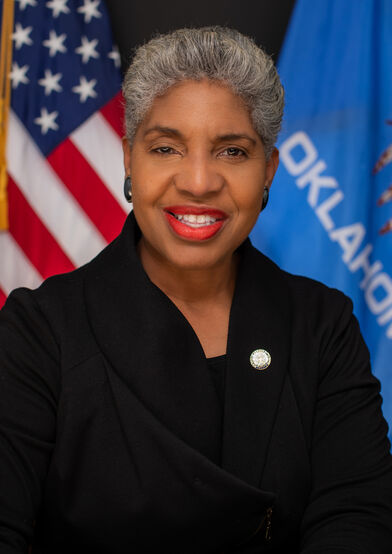
Regina Goodwin
Regina Goodwin Senate · District 11
D
Support
73% 96
Michael Brooks
Michael Brooks Senate · District 44
D
Support
72% 123
Carri Hicks
Carri Hicks Senate · District 40
D
Support
71% 62
Julia Kirt
Julia Kirt Senate · District 30
D
Support
70% 56
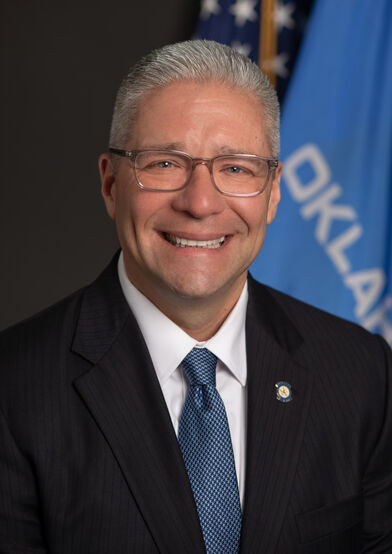
Brian Guthrie
Brian Guthrie Senate · District 25
R
Oppose
24% 58
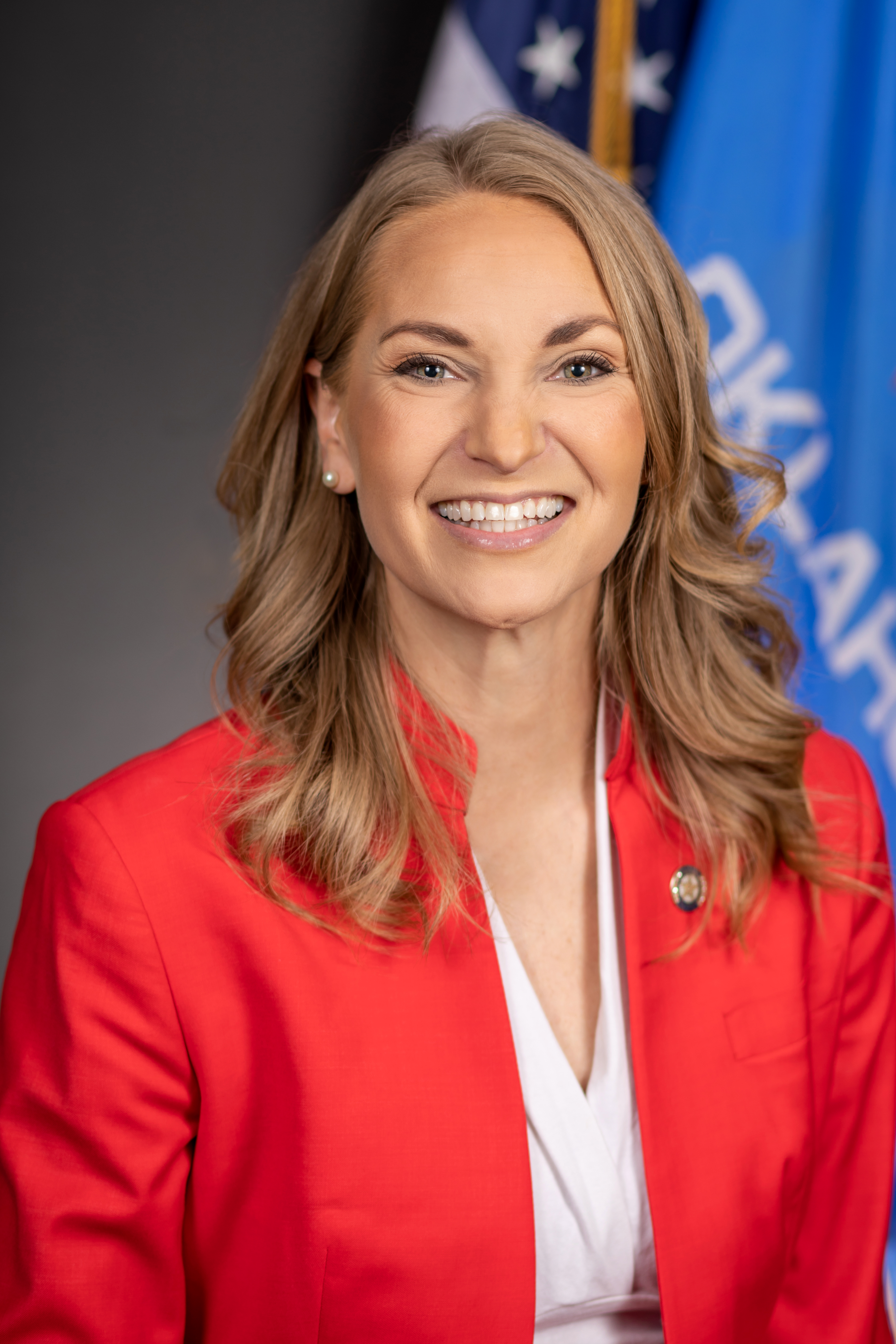
Lisa Standridge
Lisa Standridge Senate · District 15
R
Oppose
26% 91
Jay Steagall
Jay Steagall House · District 43
R
Oppose
27% 44
Julie McIntosh
Julie McIntosh Senate · District 3
R
Oppose
28% 61
Dusty Deevers
Dusty Deevers Senate · District 32
R
Oppose
28% 53
Showing 201–210 of 309 bills

All criminal justice bills

in committee · Oklahoma · Senate Feb 4, 2025

SB 390: Sentencing of juveniles; prohibiting imposition of certain terms of imprisonment for juveniles. Effective date.

SB 390 bans life imprisonment without parole for juveniles and caps prison sentences at 20 years for individuals under 18 at the time of the offense. It requires courts to depart from mandatory minimum sentences in juvenile cases, directing judges to consider risk assessments and alternative sentencing options. The law directly affects juveniles aged under 18 charged as adults in Oklahoma courts and takes effect November 1, 2025. It updates sentencing rules under Oklahoma statutes 10A O.S. 2-5-204 and 22 O.S. 985.1.
vetoed · Oklahoma · Senate May 29, 2025

SB 1089: Determination of competency; modifying procedures for proceedings for restoration of competency; requiring certain reporting. Effective date.

SB 1089 modifies Oklahoma's process for handling criminal cases involving defendants found incompetent to stand trial *and* dangerous, specifically for those charged with serious felonies (e.g., murder, assault) or violent crimes. It requires courts to use a "clear and convincing evidence" standard - stronger than typical criminal cases - to determine if such defendants committed the crimes, before allowing continued custody. The bill mandates the Department of Mental Health to report regularly to courts about these defendants and prohibits their release until the maximum possible sentence period for the alleged crime expires. This affects only defendants meeting all three criteria: incompetence, dangerousness, and charges for specific serious crimes.
Sub-Topics Violent Crime
signed · Oklahoma · House May 28, 2025

HB 1460: Criminal procedure; fees; fines; court; sentencing; revolving fund; effective date.

HB 1460 adds new fees for criminal convictions in Oklahoma. It requires courts to collect a $10 fee for most convictions (excluding parking violations) and a $150 laboratory analysis fee for cases involving forensic services from OSBI, the Chief Medical Examiner, or local agencies. Funds from these fees are deposited into specific accounts: the $150 fees go to OSBI, medical examiner, or local law enforcement revolving funds, while the $10 fees fund the CLEET Training Center and General Revenue. The bill also creates a $5 fee for misdemeanor marijuana possession cases, with proceeds going to a drug education fund. These fees apply to individuals convicted of offenses punishable by fines or jail time, excluding minor traffic violations.
in committee · Oklahoma · House Feb 4, 2025

HB 1176: Crimes and punishments; exploitation of elderly and disabled adults; property purchase; below market value; effective date.

HB 1176 creates new felony charges for exploiting vulnerable adults by taking their money, assets, or property. It specifically targets two practices: (1) taking funds/assets through a position of trust or business relationship, or (2) purchasing residential property from elderly (62+) or disabled adults for less than 70% of market value. Violations involving $100,000+ in assets carry up to 15 years in prison and $10,000 fines, while lower-value cases carry up to 10 years and the same fine. The law directly affects elderly and disabled adults who may be targeted by others seeking to take advantage of their vulnerability.
Sub-Topics Corrections
signed · Oklahoma · Senate May 13, 2026

SB 1213: Prisons and reformatories; modifying provisions related to inmate earned credits. Effective date.

SB 1213 modifies Oklahoma's inmate earned credit system by removing minimum incarceration time requirements (previously 3 months for Class 3, 8 months for Class 4) for assigning credit levels. It establishes new monthly credit rates based on an inmate's criminal history: inmates without prior felony convictions receive higher credits (Class 3: 45 credits/month, Class 4: 60 credits/month) compared to those with felony histories (Class 3: 33 credits, Class 4: 44 credits). The bill affects all state prison inmates by changing how their sentence reductions are calculated through earned credits. Key provisions include updating credit assignment criteria, requiring gender-neutral language, and specifying that credits cannot be earned for certain offenses like killing law enforcement officers. The changes apply to all inmates assigned to Class Levels 2-4 under the Department of Corrections' updated policies.
signed · Oklahoma · House May 12, 2025

HB 2364: Corrections; requiring inmates be assisted in receiving certain driver license before release; effective date.

HB 2364 requires Oklahoma's Department of Corrections to assist inmates without a current state-issued driver license or identification card in obtaining a REAL ID Noncompliant Driver License before release, or a REAL ID Noncompliant Identification Card if the license is unattainable. The department must begin this process at least nine months prior to release and provide employment-related documentation, including vocational records, birth certificates, and Social Security cards. Inmates over 65, those on medical parole, or in mental health units are exempt from preparing resumes or practicing job interviews. The bill becomes effective November 1, 2025.
in committee · Oklahoma · House Feb 4, 2025

HB 2176: State revenue administration; medical marijuana taxation; procedures; effective date.

HB 2176 establishes a 7% tax on retail medical marijuana sales in Oklahoma, collected at the point of sale by the Oklahoma Tax Commission (replacing the Medical Marijuana Authority as collector). The Tax Commission retains 1.5% of collected funds as a fee, with the remaining revenue (after fees) split: $65 million annually first allocated to public school funding (59.23%), the Medical Marijuana Authority (34.62%), and drug rehabilitation programs (6.15%), with any surplus going to the state general fund. The bill also mandates permanent license revocation for medical marijuana businesses that intentionally fail to pay taxes. It takes effect November 1, 2025.
in committee · Oklahoma · Senate Feb 4, 2025

SB 733: Criminal procedure; establishing time limitation for the filing of an indictment or information; allowing for extensions; authorizing certain release. Effective date.

SB 733 sets strict time limits for filing criminal charges in Oklahoma: prosecutors must file an indictment or information within 5 business days (or 10 days in counties over 500,000 population) after an arrest. If these deadlines pass without charges, arrested individuals held in custody can automatically request release without bail (on "own recognizance"). The state may request extensions for "good cause," but missing the deadline triggers mandatory release. This directly affects people detained after arrest who face delayed prosecution. The bill takes effect November 1, 2025.
in committee · Oklahoma · House Feb 20, 2025

HB 2248: Mental health; rural mental health and treatment diversion pilot programs; purpose; Department of Mental Health and Substance Abuse Services; contracts; promulgation of rules; effective date.

HB 2248 creates rural mental health pilot programs in Oklahoma designed to redirect individuals with mental health needs away from the criminal justice system and into treatment programs. The bill authorizes the Department of Mental Health and Substance Abuse Services to develop these programs (subject to funding) and enter contracts to implement them, focusing on rural communities. It requires the Department’s Board to create necessary rules for the programs’ operation and sets an effective date of November 1, 2025. The bill directly affects rural Oklahomans facing mental health challenges who might otherwise interact with law enforcement or courts.
died · Oklahoma · House Feb 5, 2025

HB 2734: Crimes and punishments; clarifying scope of certain prohibited act; effective date.

HB 2734 clarifies Oklahoma's obstruction of justice law by specifying that recording law enforcement activity in public and asking routine questions during stops, detentions, or arrests does not constitute obstruction. The bill explicitly states that such actions only count as obstruction if done with the intent to hinder, delay, or obstruct officers. It directly affects individuals interacting with police during encounters and bystanders observing such interactions. The changes take effect on November 1, 2025.
Showing 201 to 210 of 309 bills
Previous 1 20 21 22 31 Next