Issue · Criminal Justice

Criminal Justice (Courts)

Every criminal justice bill, vote, and legislator stance in Oklahoma, automatically classified by Maddy, our AI policy reader.

Total bills
78
2026 Regular Session
Top supporter
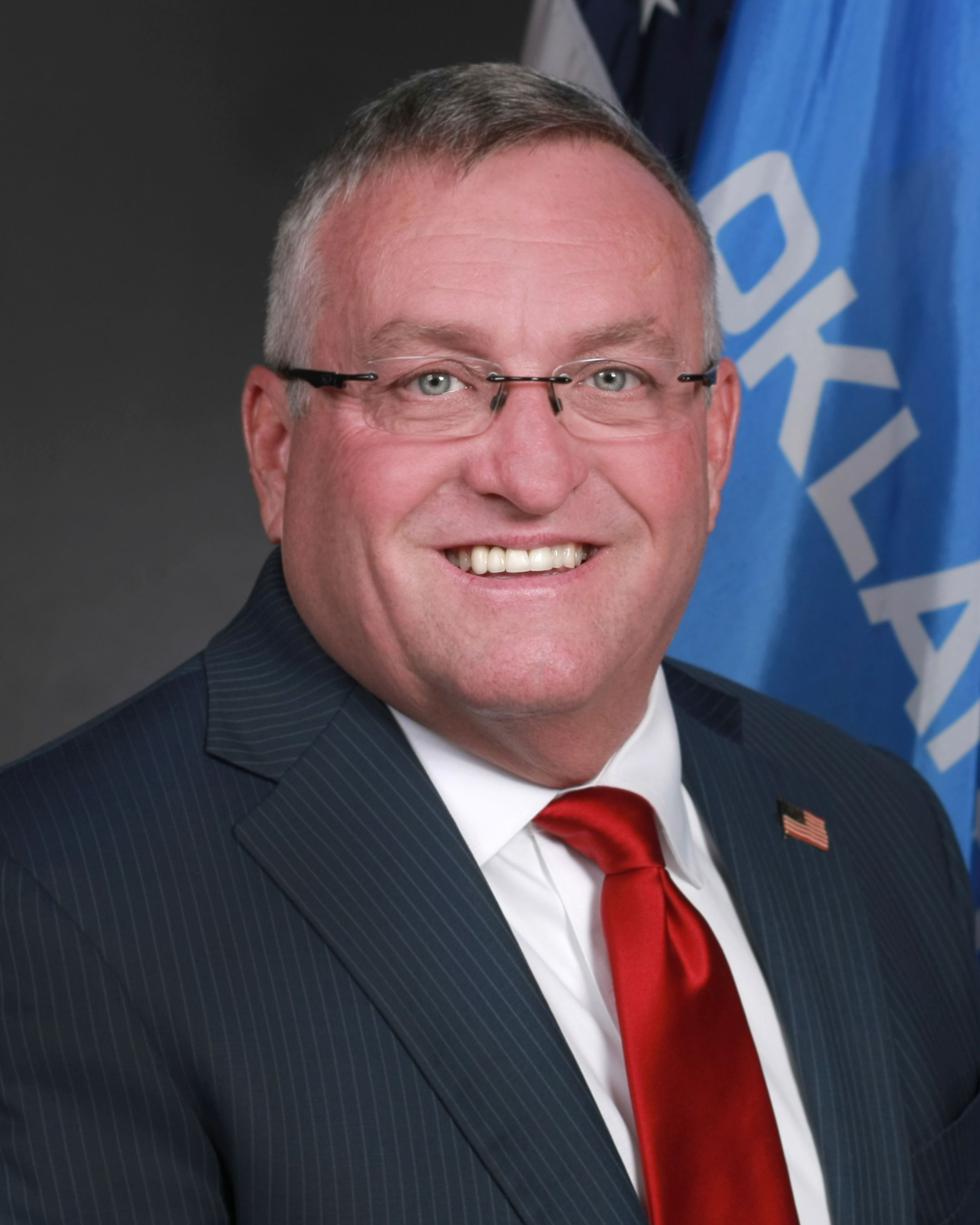
Arturo Alonso
100% support rate
Top opponent
Ross Ford
0% support rate
Ranked legislators
10
5 support · 5 oppose
Key legislators

Who's moving courts in Oklahoma

Legislators moving courts in Oklahoma
Legislator Party Stance Support rate Votes
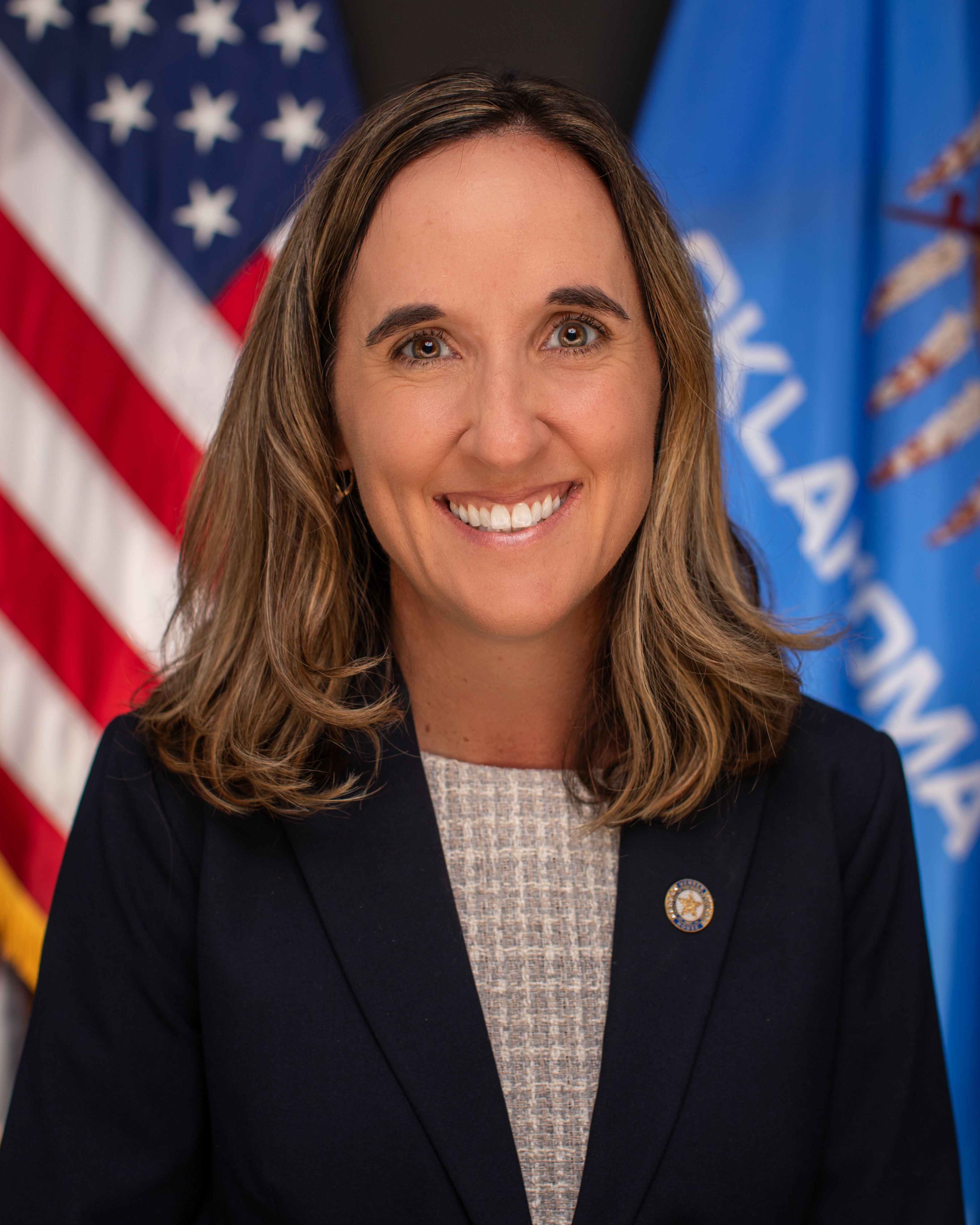
Arturo Alonso
Arturo Alonso House · District 89
D
Strong +
100% 4
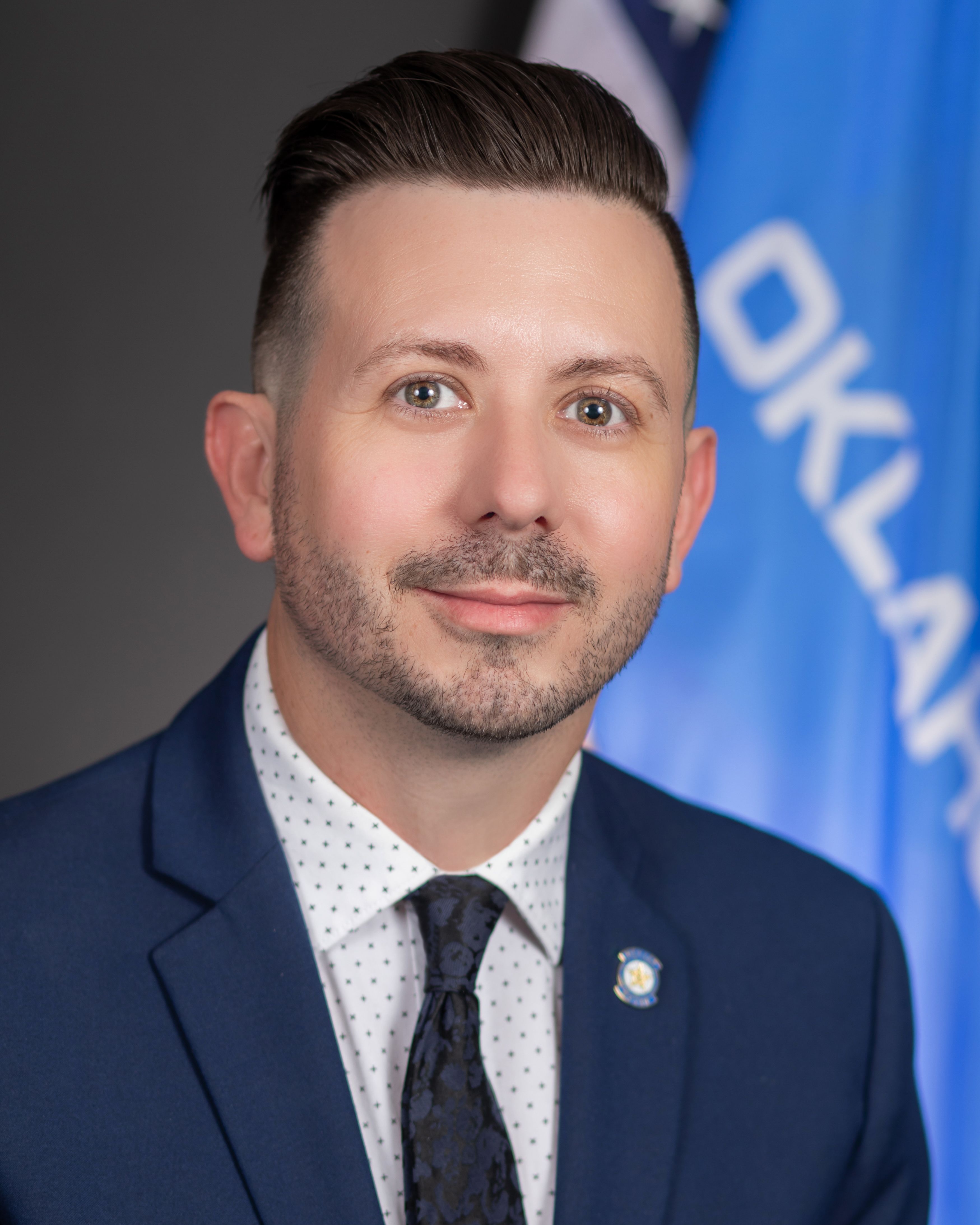
Ellen Pogemiller
Ellen Pogemiller House · District 88
D
Strong +
100% 4
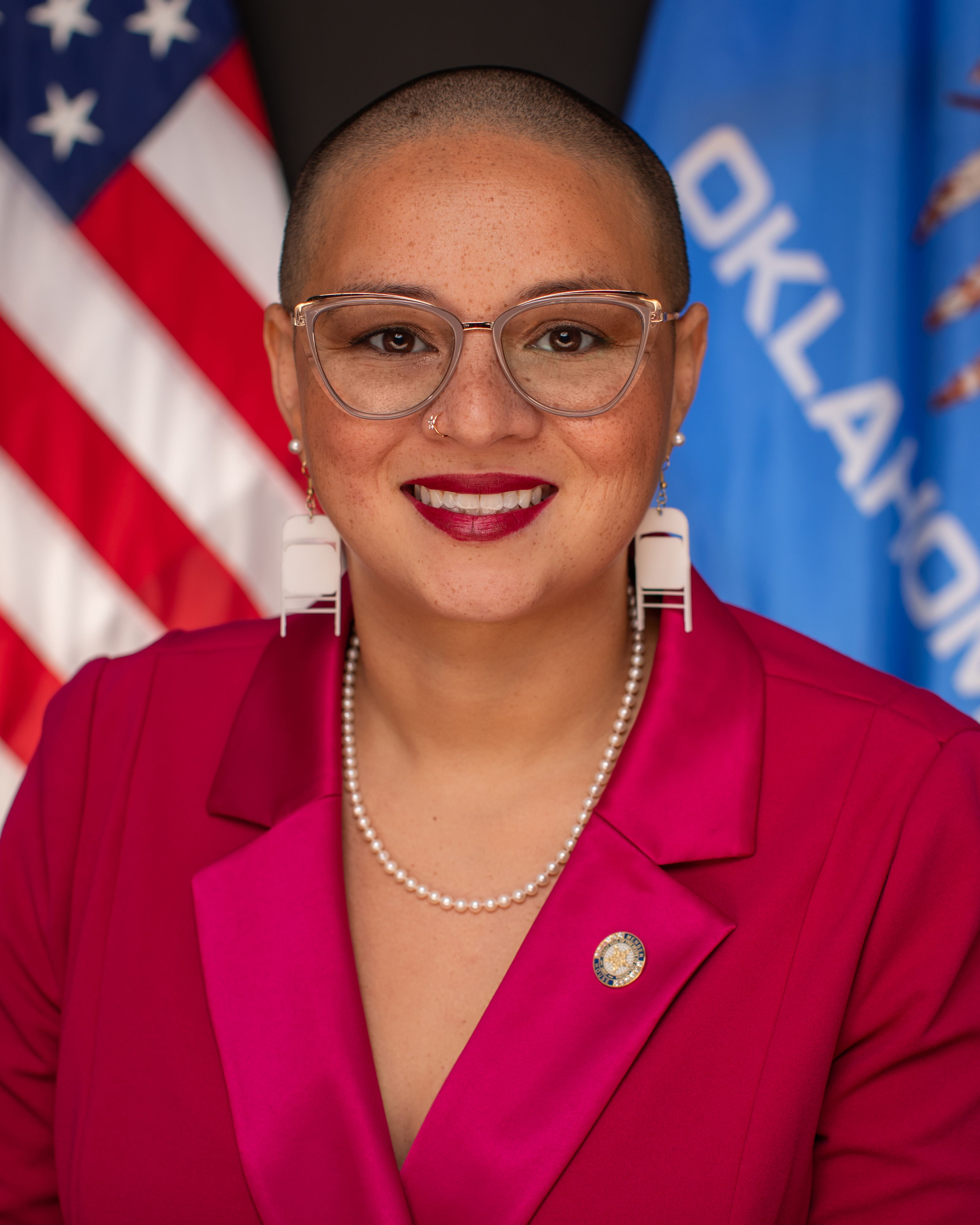
Jared Deck
Jared Deck House · District 44
D
Strong +
100% 4
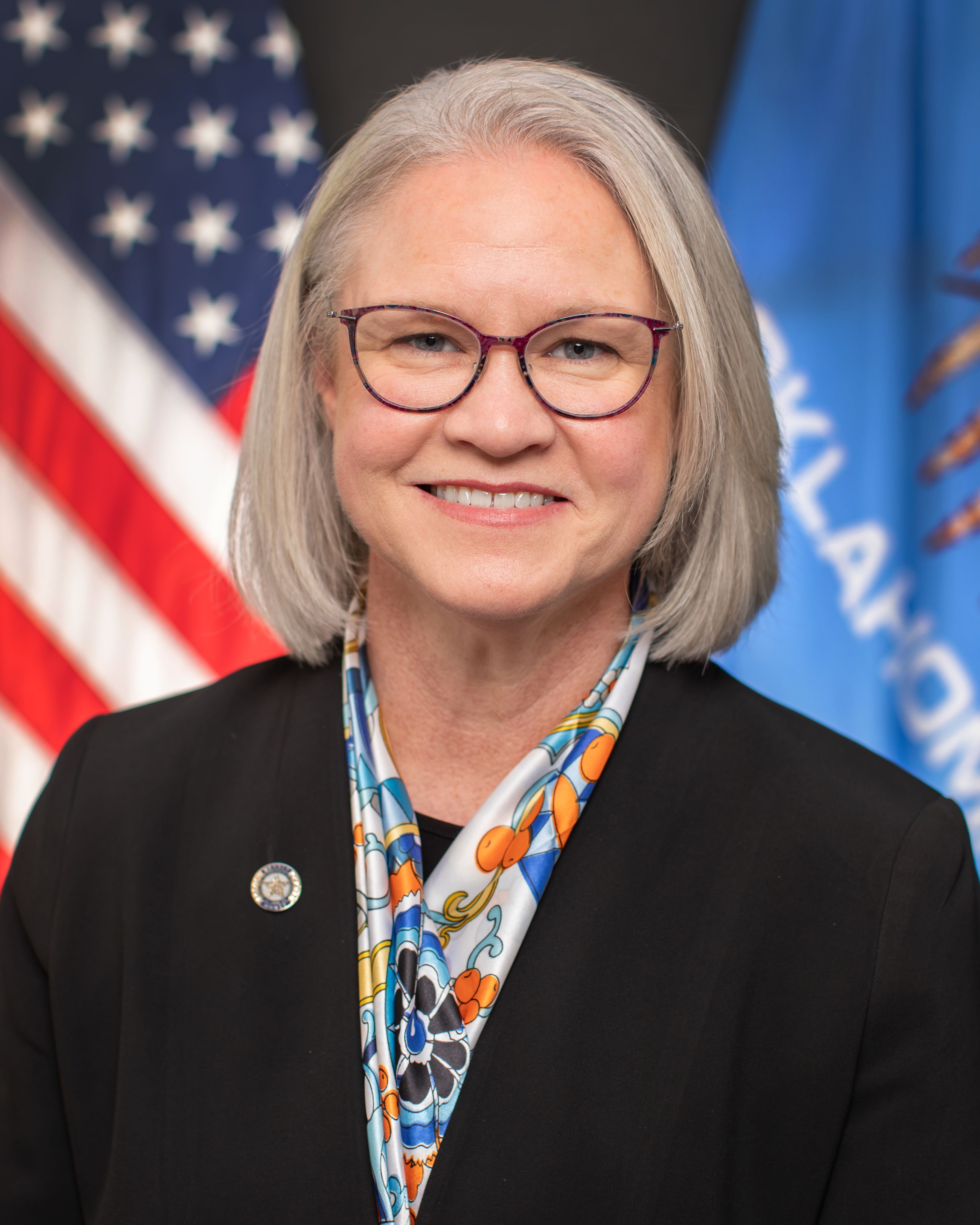
Michelle McCane
Michelle McCane House · District 72
D
Strong +
100% 4
Trish Ranson
Trish Ranson House · District 34
D
Strong +
100% 4
Ross Ford
Ross Ford House · District 76
R
Strong −
0% 5
Chris Sneed
Chris Sneed House · District 14
R
Strong −
0% 4
Cody Maynard
Cody Maynard House · District 21
R
Strong −
0% 4
David Smith
David Smith House · District 18
R
Strong −
0% 4
Denise Crosswhite Hader
Denise Crosswhite Hader House · District 41
R
Strong −
0% 4
Showing 11–20 of 78 bills

All criminal justice bills

in committee · Oklahoma · Senate Feb 3, 2026

SB 1715: Guardians ad litem; requiring inclusion of certain information in certain report; modifying certain training requirements. Effective date.

SB 1715 requires Oklahoma guardians ad litem (court-appointed child advocates in custody cases) to include all domestic violence allegations in their written reports to the court. It mandates the Oklahoma Bar Association to create and update a standard operating manual covering child abuse, domestic violence, and best practices, which all guardians must certify they've read and will follow. The bill also requires court experts (including guardians) to disclose prior relationships, criminal history, professional qualifications, and disciplinary actions to parties before appointment, and prohibits waiving these disclosures. These changes aim to improve the quality, accountability, and safety considerations of child advocacy in custody proceedings.
in committee · Oklahoma · Senate Feb 3, 2026

SB 1702: Firearms; prohibiting law enforcement from taking certain action. Effective date.

SB 1702, the Firearm Preservation Act, requires Oklahoma law enforcement agencies to auction firearms they obtain through legal processes (such as court orders, estate settlements, or forfeiture) instead of destroying them. Auctions must be conducted exclusively to eligible buyers who pass required state and federal background checks, with proceeds funding agency operations like training or equipment. The law shields law enforcement from liability if a purchased firearm is later used to cause harm and mandates agencies to maintain detailed auction records for five years. Violations carry fines of $500 for the first offense and $1,000 for repeat offenses, with funds deposited into the state’s general revenue fund.
passed · Oklahoma · House Apr 21, 2026

HB 3835: Human trafficking; authorizing expungements for criminal offenses committed by human trafficking victims; effective date.

HB 3835 allows courts in Oklahoma to seal (expunge) criminal records for individuals convicted of offenses committed as a direct result of being a victim of human trafficking. It specifically targets prostitution-related or other crimes tied to trafficking, requiring courts to consider trafficking victim status using Oklahoma's definition or federal standards. Key provisions include waiving court fees, closing hearings to the public, applying a "preponderance of evidence" standard (not beyond reasonable doubt), and permitting petitions at any time regardless of when the offense occurred. This bill directly affects trafficking victims with criminal records who were coerced into unlawful acts by traffickers.
in committee · Oklahoma · House Feb 3, 2026

HB 3837: Courts; Council on Judicial Complaints; Oklahoma Government Transparency and Judicial Accountability Act; public purpose; including persons exercising judicial powers to Council's purpose; emergency.

HB 3837, the "Oklahoma Government Transparency and Judicial Accountability Act," clarifies who can be reported to the Council on Judicial Complaints. It expands the definition of "judicial officer" to include executive branch officials acting in judicial or quasi-judicial roles (like resolving disputes), as well as magistrates, court commissioners, and administrative law judges. The bill ensures complaints about these individuals can be reviewed by the Council, with findings referred to appropriate bodies like the Court on the Judiciary or Ethics Commission. This directly affects officials exercising judicial powers outside traditional courts, improving accountability for their conduct. The bill responds to an Attorney General opinion and modifies existing statutes to clarify the complaint process.
Sub-Topics Courts Judges
in committee · Oklahoma · Senate Apr 15, 2026

SB 1717: Child custody; modifying certain evidentiary standard for taking child into protective custody. Effective date.

SB 1717 modifies Oklahoma's child protective custody procedures by raising the evidentiary standard for taking children into immediate protective custody. It requires peace officers or court employees to have "clear and convincing evidence" of an imminent safety threat (rather than just "reasonable suspicion") before removing a child without a court order. The bill also mandates that the Department of Human Services complete a safety evaluation within 23 hours of custody, and return the child to parents/guardians if no imminent threat is found. This directly affects law enforcement, child protective services, and families facing emergency custody actions. The changes aim to ensure custody removals are only used when necessary, with specific protocols for safety assessments and alternative placements.
Sub-Topics Courts Law Enforcement
in committee · Oklahoma · House Feb 3, 2026

HB 3889: Sex offenders; requiring disclosure of certain conviction information; effective date.

HB 3889 requires Oklahoma sex offenders to disclose their internet communication identities (including email, chat, and social media handles) as part of their registration with law enforcement. It affects all individuals subject to Oklahoma's Sex Offenders Registration Act, particularly those with out-of-state convictions needing to provide certified court documents within 60 days of moving. The bill also specifies address verification frequencies based on risk level: annually for Level 1, semiannually for Level 2, and every 90 days for Level 3 or habitual offenders. It mandates that offenders submit proof of current address and household occupants during verification checks. These changes update registration requirements to include digital footprints and streamline address compliance processes.
passed · Oklahoma · House Apr 16, 2026

HB 3606: Sex offenders; Sex Offenders Registration Act; petition; removal from registration requirements; effective date.

HB 3606 (correcting the misleading title) amends Oklahoma's Sex Offenders Registration Act to allow specific sex offenders to petition courts for removal of registration requirements. It creates two pathways: (1) for those convicted only of certain minor offenses (Sections 1111.1 or 1114 of Title 21) where the offender was under 4 years older than a 14-17-year-old victim, and (2) for those with permanent medical/cognitive impairments preventing compliance. Petitions require court approval, district attorney notice, and must confirm no conflict with federal law. If approved, the Department of Corrections removes the person from the public sex offender registry, though other criminal records remain accessible as public records.
Sub-Topics Corrections Courts
in committee · Oklahoma · House Feb 17, 2026

HB 4112: Court fines and fees; deleting the assessment of certain fees; repealer; effective date.

HB 4112 removes a $10 court fee for traffic offenses (excluding parking violations) and deletes another specific fee assessment (Section 1313.3). It affects individuals convicted of certain crimes who would have paid these fees, including traffic offenses. The bill also modifies how forensic lab fees ($150 per offense) are collected and distributed, directing funds to relevant agencies instead of the CLEET fund. Additionally, it adds provisions to waive uncollectible court financial obligations and updates reporting requirements for collected fees.
Sub-Topics Courts
in committee · Oklahoma · House Feb 3, 2026

HB 3483: Children; Protect Families from Government Overreach Act; purpose; intent; Department of Human Services; physical custody; records; exception; emergency motion; report; Oklahoma Commission for Human Services; noncompliance; audits, civil penalties, and sanctions; civil remedies; reassessment; codification; effective date.

HB 3483, the "Protect Families from Government Overreach Act," requires Oklahoma's Department of Human Services to return children to parents or guardians within 72 hours if criminal charges against them are dismissed, dropped, or result in a not-guilty verdict. It mandates the return of all personal property and records related to the case, with all agency records expunged within the same timeframe. Exceptions allowing continued separation are permitted only if the agency files an emergency motion with clear evidence of ongoing child safety risks and secures a court order within 72 hours. The bill directly affects parents/guardians whose cases were resolved favorably and the Department of Human Services, imposing strict deadlines and civil penalties for noncompliance.
Sub-Topics Courts
passed · Oklahoma · House Apr 16, 2026

HB 3587: Mental health; authorizing court-ordered outpatient treatment; effective date.

HB 3587 allows Oklahoma courts to order outpatient mental health treatment instead of hospitalization for eligible individuals, prioritizing community-based care when it meets treatment needs and prevents harm to the person or others. The bill requires certified community mental health centers to develop treatment plans in collaboration with the individual, advocates, and their treatment team, which must be approved by the court. Courts must review these plans at least every 90 days through status hearings (with 72-hour notice), prohibit forced medication administration, and allow modifications or extensions if needed. This law directly affects individuals under court-ordered outpatient treatment and mental health providers, ensuring structured oversight while preserving patient rights.
Sub-Topics Courts Mental Health
Showing 11 to 20 of 78 bills
Previous 1 2 3 8 Next