Issue · Criminal Justice

Criminal Justice

Every criminal justice bill, vote, and legislator stance in Oklahoma, automatically classified by Maddy, our AI policy reader.

Total bills
448
2026 Regular Session
Top supporter
Aletia Timmons
76% support rate
Top opponent
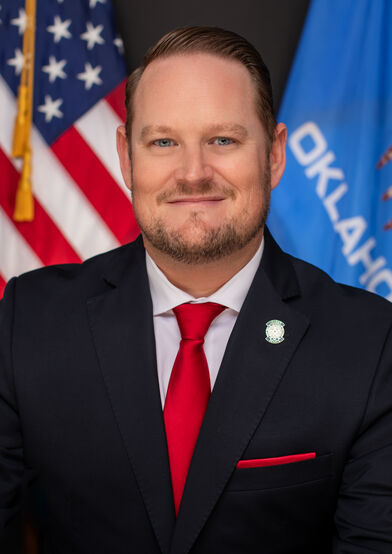
Brian Guthrie
24% support rate
Ranked legislators
10
5 support · 5 oppose
Key legislators

Who's moving criminal justice in Oklahoma

Legislators moving criminal justice in Oklahoma
Legislator Party Stance Support rate Votes
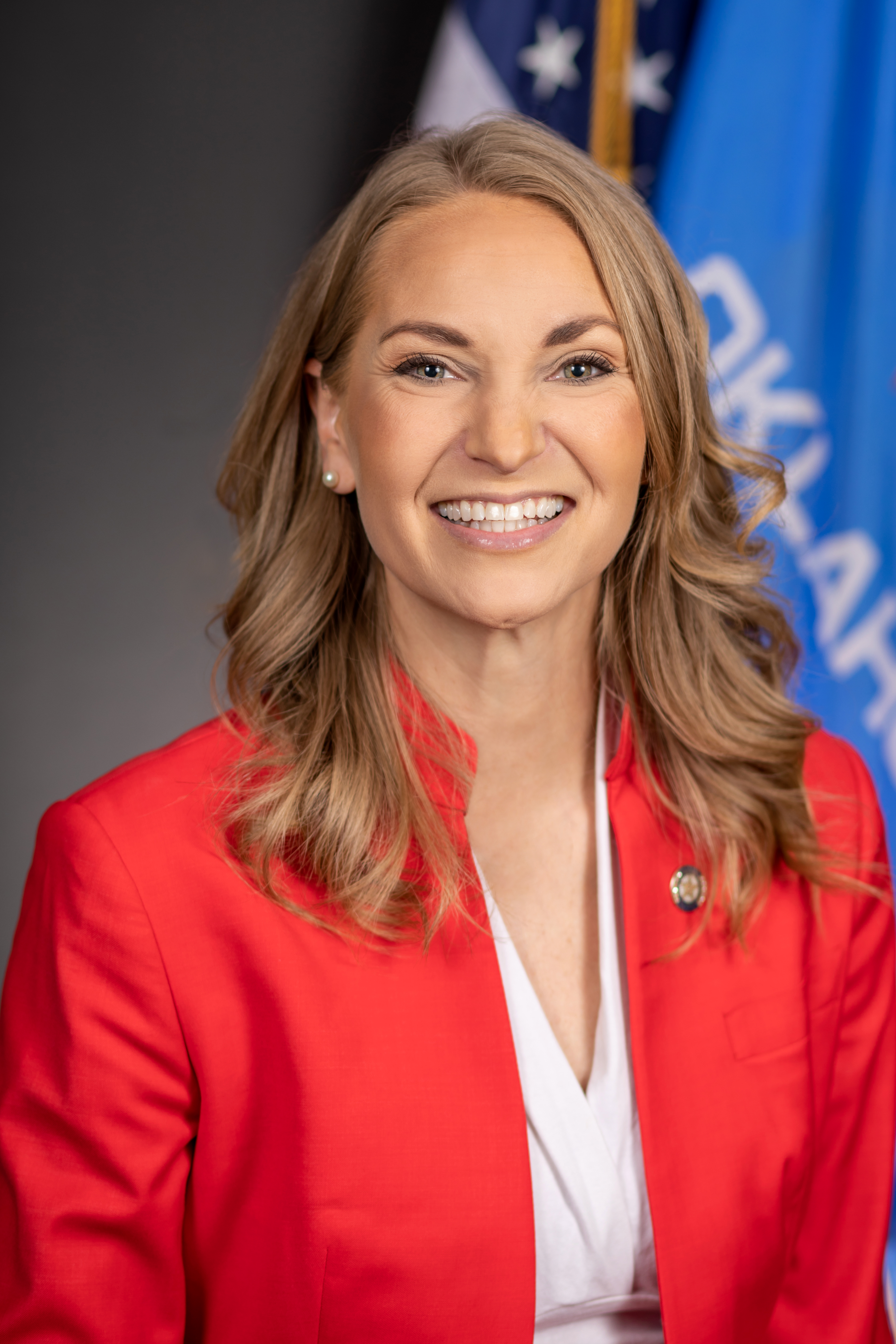
Aletia Timmons
Aletia Timmons House · District 97
D
Support
76% 91
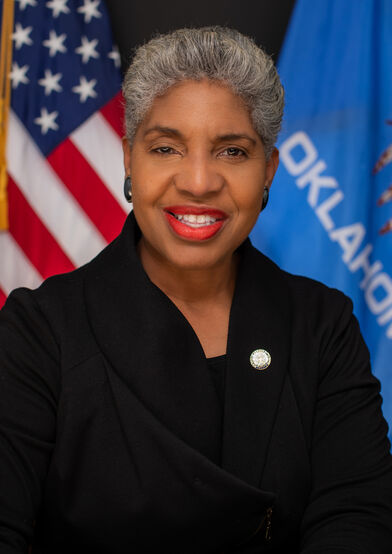
Regina Goodwin
Regina Goodwin Senate · District 11
D
Support
73% 225
Michael Brooks
Michael Brooks Senate · District 44
D
Support
72% 274
Carri Hicks
Carri Hicks Senate · District 40
D
Support
71% 184
Julia Kirt
Julia Kirt Senate · District 30
D
Support
70% 174
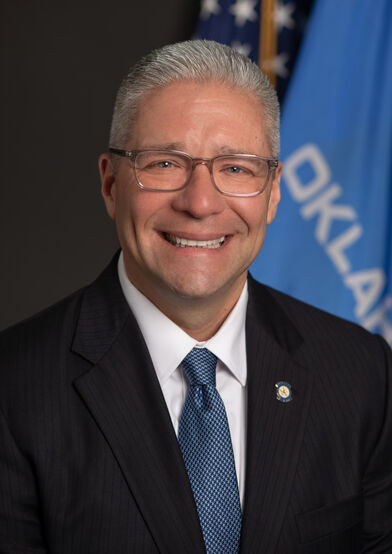
Brian Guthrie
Brian Guthrie Senate · District 25
R
Oppose
24% 158
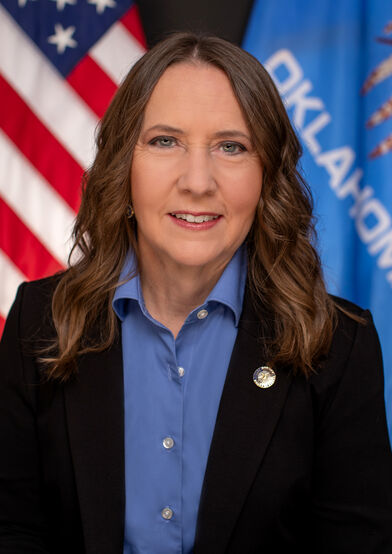
Lisa Standridge
Lisa Standridge Senate · District 15
R
Oppose
26% 220
Jay Steagall
Jay Steagall House · District 43
R
Oppose
27% 149
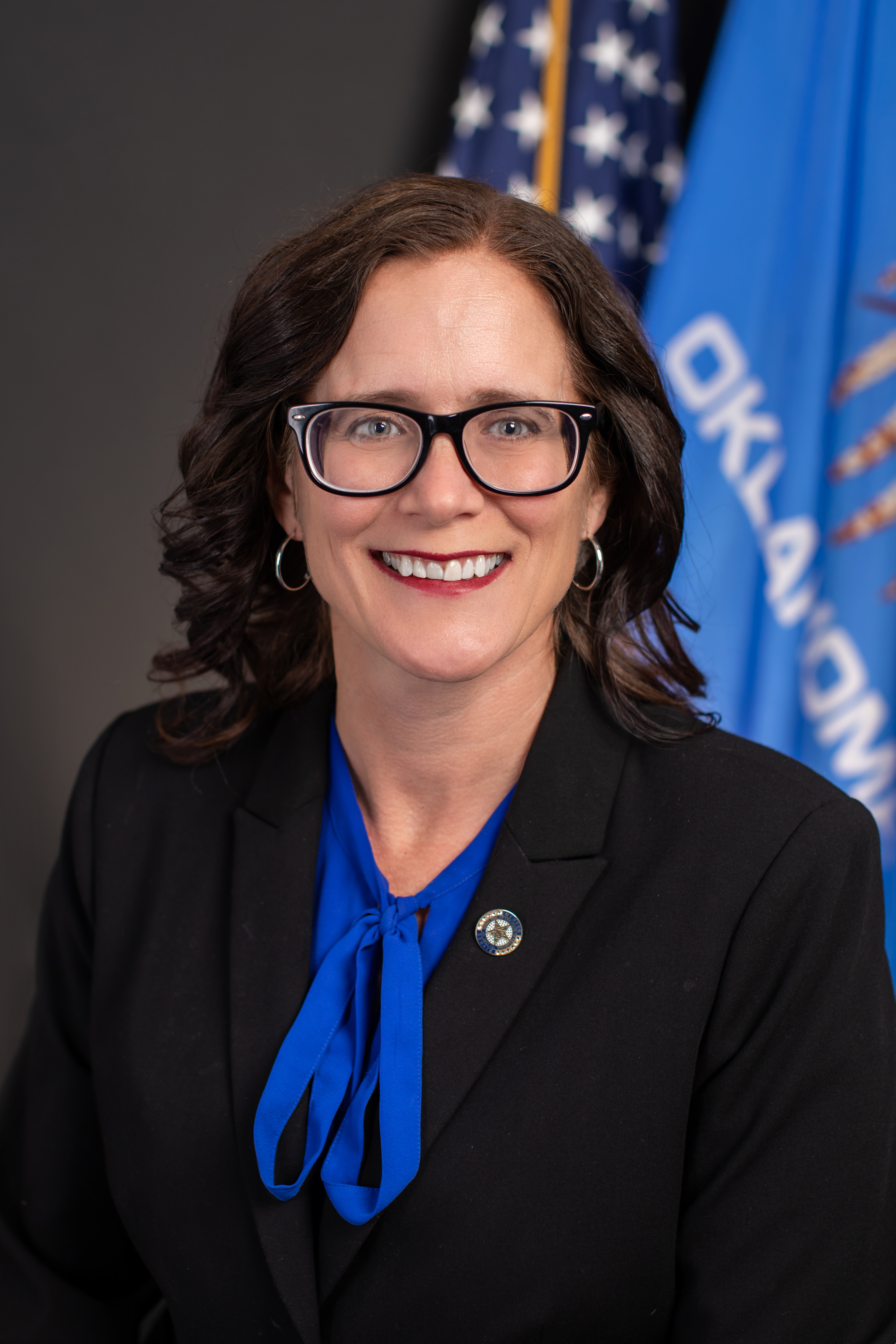
Julie McIntosh
Julie McIntosh Senate · District 3
R
Oppose
28% 164
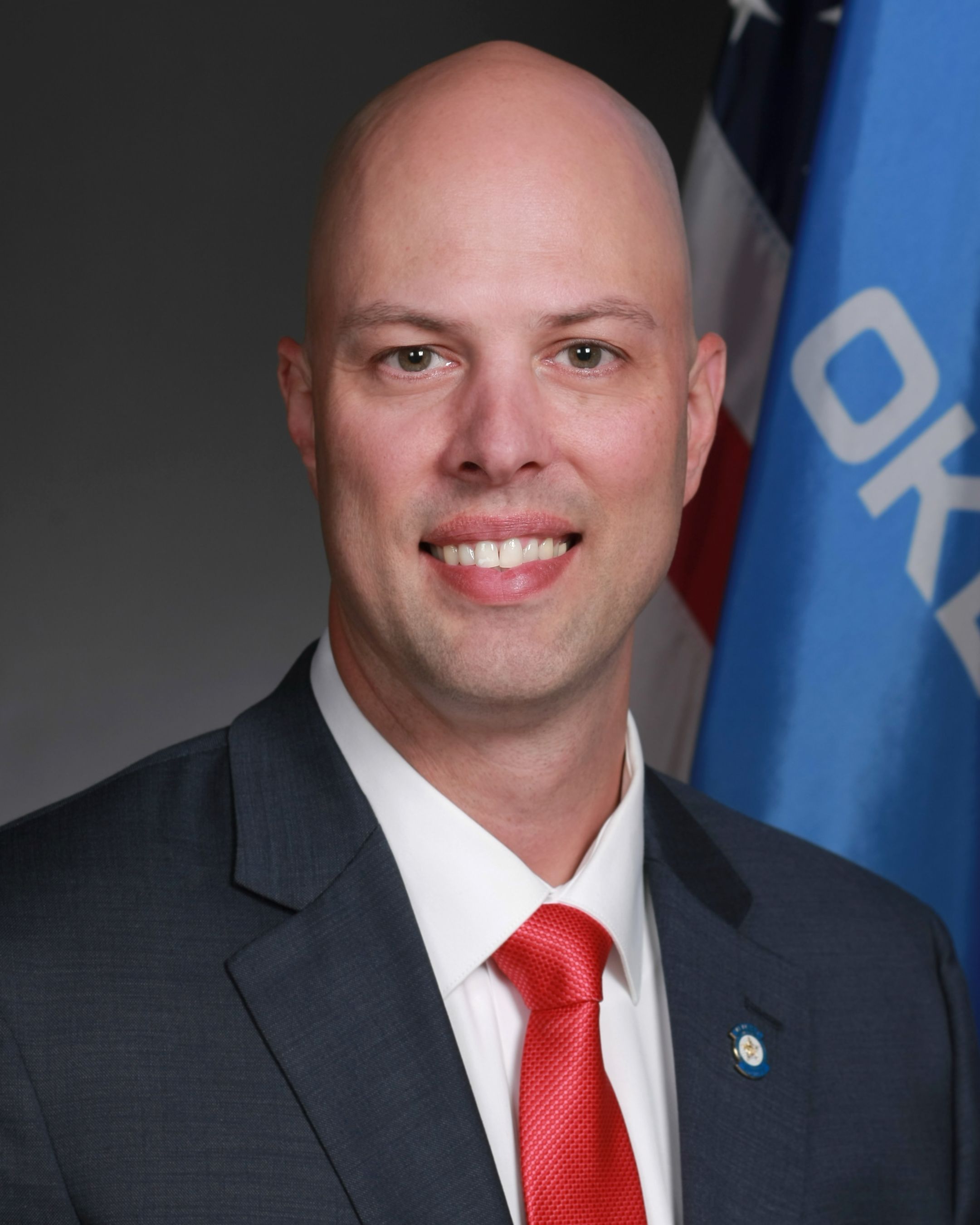
Dusty Deevers
Dusty Deevers Senate · District 32
R
Oppose
28% 156
Showing 111–120 of 448 bills

All criminal justice bills

in committee · Oklahoma · Senate Feb 3, 2026

SB 1707: Oklahoma State Bureau of Investigation; prohibiting certain testing of firearms. Effective date.

SB 1707 prohibits the Oklahoma State Bureau of Investigation (OSBI) from conducting ballistic testing on firearms unless there is reasonable suspicion the firearm was used in a crime. This law directly affects the OSBI's evidence-handling procedures and limits testing to cases tied to active criminal investigations. The key provision requires that any firearm testing must be connected to a specific crime, preventing general or routine testing without probable cause. The bill takes effect on November 1, 2026.
Sub-Topics Firearms
signed · Oklahoma · House May 12, 2026

HB 3764: Gang-related offenses; condition of membership; criminalizing certain acts related to foreign terrorist organizations; effective date.

HB 3764 creates a sentencing enhancement for certain felony convictions involving ties to foreign terrorist organizations, directly affecting defendants found guilty of specific crimes with such connections. The bill lowers the evidentiary standard required to apply this enhancement, removing the "beyond a reasonable doubt" requirement for proving terrorist organization links and instead requiring only a "more likely than not" standard. This change would allow judges to increase felony sentences based on a lower burden of proof for these specific cases. The bill is currently in committee referral after its initial readings in the Oklahoma House.
Sub-Topics Sentencing
in committee · Oklahoma · Senate Feb 3, 2026

SB 1468: Firearms; modifying elements of certain offenses. Effective date.

SB 1468 amends Oklahoma law to define and restrict specific firearms and ammunition. It defines "restricted bullets" (less than 60% lead core with fluorocarbon coating designed to penetrate body armor) and "restricted weapons" (automatic firearms or conversion devices like "Glock switches," excluding bump stocks). The bill makes it unlawful to manufacture, sell, possess, or use these items, with violations classified as Class B4 felonies punishable by up to 10 years in prison and fines up to $10,000. This law directly affects individuals or businesses involved in handling these specific firearms or ammunition, effective November 1, 2026.
Sub-Topics Corrections Firearms
in committee · Oklahoma · Senate Feb 10, 2026

SB 1820: Duels; modifying elements of certain offense; establishing certain guidelines for consent as affirmative defense. Effective date.

SB 1820 amends Oklahoma law to classify dueling with deadly weapons as a Class C1 felony punishable by imprisonment. It also creates a new defense for assault charges (under Sections 644/647 of Title 21) where a defendant claims the victim consented to non-serious conduct that posed a recognized risk in the victim's occupation, medical treatment, or scientific research. This defense does not apply if the conduct was related to gang membership. The bill becomes effective November 1, 2026, and defines "serious bodily injury" as harm creating a substantial risk of death or permanent disfigurement.
Sub-Topics Violent Crime
signed · Oklahoma · House May 7, 2026

HB 3244: Crimes and punishments; modifying elements of certain unlawful acts; aggravated identity theft; effective date.

HB 3244 modifies Oklahoma law to strengthen penalties for patterns of criminal activity and exploitation of vulnerable individuals. It expands "pattern of criminal offenses" to include online acts (via social media, AI, or cellular networks) and adds identity theft to the list of crimes that can form a pattern, punishable by a Class D1 felony ($25,000 fine or imprisonment). The bill also increases penalties for exploiting elderly/disabled adults: theft of $100,000+ becomes a Class C1 felony, while lesser amounts trigger a Class C2 felony, with enhanced penalties for repeat exploitation. It directly affects criminals committing multiple offenses across locations or online, and those exploiting vulnerable groups (elderly, disabled, homeless, or minors) through coercion or deception.
in committee · Oklahoma · House Feb 12, 2026

HB 3850: Prisons and reformatories; directing the Department of Corrections to fund program for inmates to obtain high school equivalency diplomas; effective date.

HB 3850 requires Oklahoma's Department of Corrections to fully fund a program enabling all state prison inmates to earn high school equivalency diplomas (like a GED) before release, removing prior financial hardship exemptions. It mandates that the department assess each inmate's educational needs upon intake, prioritize those with basic literacy gaps or nearing release dates, and link program completion to parole eligibility. Inmates refusing recommended education programs lose earned credits and face parole eligibility risks. The law applies broadly to all inmates except those documented as incapable of benefiting from education. It takes effect November 1, 2026.
in committee · Oklahoma · House Feb 3, 2026

HB 3889: Sex offenders; requiring disclosure of certain conviction information; effective date.

HB 3889 requires Oklahoma sex offenders to disclose their internet communication identities (including email, chat, and social media handles) as part of their registration with law enforcement. It affects all individuals subject to Oklahoma's Sex Offenders Registration Act, particularly those with out-of-state convictions needing to provide certified court documents within 60 days of moving. The bill also specifies address verification frequencies based on risk level: annually for Level 1, semiannually for Level 2, and every 90 days for Level 3 or habitual offenders. It mandates that offenders submit proof of current address and household occupants during verification checks. These changes update registration requirements to include digital footprints and streamline address compliance processes.
in committee · Oklahoma · House Feb 3, 2026

HB 3201: Prisons and reformatories; directing the Pardon and Parole Board to establish Conviction Integrity Review Unit; stating purpose of the Unit; codification; effective date.

HB 3201 creates a Conviction Integrity Review Unit within Oklahoma's Pardon and Parole Board to review death penalty convictions. It directly affects inmates sentenced to death who submit petitions containing new evidence suggesting they are factually innocent, after their appeals have concluded. The Unit, staffed by at least two licensed attorneys (with criminal prosecution or defense experience), an investigator, and a paralegal, must investigate these claims and report findings to the Board and relevant parties. The bill requires new evidence not previously presented and capable of resolution, focusing on correcting potential wrongful convictions in capital cases.
Sub-Topics Probation & Parole
passed · Oklahoma · House Apr 21, 2026

HB 4106: Crimes and punishments; decreasing threshold amount for grand larceny offenses; felony penalty for third and subsequent petit larceny convictions; effective date.

HB 4106 amends Oklahoma law to increase the threshold for grand larceny from $500 to $900. This means thefts valued at $900 or more will be classified as grand larceny (a felony), while thefts under $900 will be treated as lesser offenses (like petit larceny). The bill directly affects individuals committing thefts and law enforcement/courts that categorize these crimes. The key change is a straightforward adjustment to the monetary value defining the severity of the offense, with no other policy shifts.
Sub-Topics Law Enforcement
in committee · Oklahoma · Senate Feb 3, 2026

SB 1604: Crimes and punishments; creating the Railroad Safety Act. Emergency.

SB 1604, the Railroad Safety Act, creates new criminal penalties for threats or violence targeting trains and railroad operations in Oklahoma. It directly affects passengers, railroad workers, and anyone near trains or stations by prohibiting seizing trains (Class B1 felony), threatening crew/passengers (Class B4 felony), or discharging firearms in stations (Class B4 felony). Key provisions include fines up to $20,000 or 20 years in prison for seizing trains with weapons, and stricter penalties for using deadly weapons during violations. The law defines "station" to include adjacent parking areas and rail zones, and declares an emergency to expedite implementation.
Sub-Topics Corrections Rail
Showing 111 to 120 of 448 bills
Previous 1 11 12 13 45 Next