

Issue · Budget & Taxes
Budget & Taxes (Tax Credits)
Every budget & taxes bill, vote, and legislator stance in Oklahoma, automatically classified by Maddy, our AI policy reader.
Total bills
125
2026 Regular Session
Top supporter
Chris Kannady
94% support rate
Top opponent
Mary Boren
21% support rate
Ranked legislators
10
5 support · 5 oppose
Key legislators
Who's moving tax credits in Oklahoma
| Legislator | Party | Stance | Support rate | Votes |
|---|---|---|---|---|

Chris Kannady
House · District 91
|
R |
Strong +
|
94% | 17 |
Preston Stinson
House · District 96
|
R |
Strong +
|
92% | 26 |
Tom Woods
Senate · District 4
|
R |
Strong +
|
91% | 23 |
T.J. Marti
House · District 75
|
R |
Strong +
|
90% | 20 |
Kevin Norwood
House · District 74
|
R |
Strong +
|
90% | 10 |
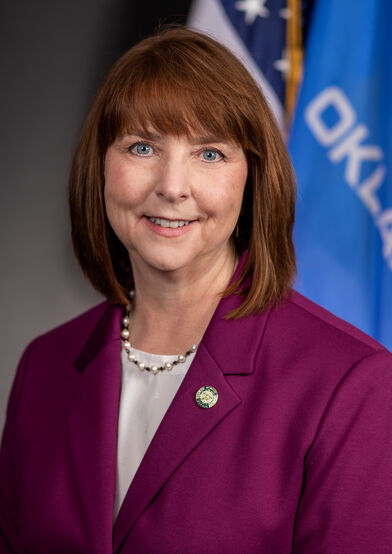
Mary Boren
Senate · District 16
|
D |
Oppose
|
21% | 19 |

Tom Gann
House · District 8
|
R |
Oppose
|
24% | 29 |

Jim Shaw
House · District 32
|
R |
Oppose
|
29% | 28 |

Molly Jenkins
House · District 33
|
R |
Oppose
|
29% | 28 |

Rick West
House · District 3
|
R |
Oppose
|
29% | 28 |
Showing 111–120 of 125
bills
All budget & taxes bills
HB 1469: Schools; Oklahoma Parental Choice Tax Credit Act; website requirements; effective date.
Topics
✓ Budget & TaxesSupports Budget & TaxesCreates income tax credit for education expenses, providing tax relief for eligible families with varying credit amounts based on income.
✓ EducationSupports EducationCreates tax credits for private school tuition and approved educational services, expanding family access to education funding through direct financial support.
HB 2645: Revenue and taxation; practice of medicine; tax credit; time period; effective date.
Topics
✓ Budget & TaxesSupports Budget & TaxesCreates tax credit for rural doctors, reducing taxable income and incentivizing medical practice in underserved areas, aligning with tax relief indicators.
✓ HealthcareSupports HealthcareBill provides tax credit to attract doctors to rural areas, improving healthcare access for underserved populations and directly supporting medical professionals in healthcare delivery.
Sub-Topics
Tax Credits
SB 296: Income tax; expanding credit to include instructor pilots. Effective date.
HB 2366: Revenue and taxation; income tax credit; biomanufacturing; effective date.
Topics
✓ Budget & TaxesSupports Budget & TaxesCreates targeted income tax credit for biomanufacturing employees, providing tax relief as a fiscal incentive, aligning with support indicators for tax relief programs.
✓ Labor & EmploymentSupports Labor & EmploymentProvides $5,000 annual income tax credit to biomanufacturing employees with specific qualifications, directly increasing disposable income and expanding targeted worker benefits.
✓ TechnologySupports TechnologyBill creates tax credit for biomanufacturing sector employees, directly funding a technology industry (biotechnology) through financial incentives, aligning with 'fund' for technology growth.
SB 826: Income tax credit; providing tax credit for contributions to charitable organizations. Effective date.
SB 255: Revenue and taxation; authorizing a state income tax credit for expenditures made for purchase of feral swine removal equipment. Effective date.
Topics
✓ Budget & TaxesSupports Budget & TaxesCreates 70% state income tax credit for agricultural equipment, providing direct tax relief to qualifying landowners under state tax system.
✓ EnvironmentSupports EnvironmentBill reduces habitat destruction from invasive feral swine by funding removal equipment, directly protecting natural resources and conservation goals.
SB 256: Income tax; providing credit for certain employer child care expenditures; providing refundability credit for qualified child care worker. Effective date.
Topics
✓ Budget & TaxesSupports Budget & TaxesCreates refundable tax credits for child care workers (lower/middle income) and employer child care expenses, providing direct tax relief and incentivizing workforce support.
✓ Labor & EmploymentSupports Labor & EmploymentProvides direct financial benefit to child care workers via refundable tax credit and incentivizes employer child care support, expanding worker benefits.
SB 328: Income tax; creating the Promote Child Thriving Act; providing credit for certain married individuals with dependents. Effective date.
SB 229: Parental Choice Tax Credit Act; modifying annual limit for certain years; modifying preference requirement; requiring certain credit reallocation. Effective date.
Topics
✓ Budget & TaxesSupports Budget & TaxesModifies tax credits for high earners, closing loopholes for wealthy households and promoting fiscal responsibility by capping credits at $5,000.
✓ EducationSupports EducationCreates tax credits for education expenses, expands access for disadvantaged students (90% income-based admissions requirement), and modifies credit limits to increase affordability.