

Maddy summarySB 649 reinstates education-based salary supplements for North Carolina public school teachers and instructional support personnel (ISP) who hold master's or doctoral degrees. It directs the State Board of Education to use the 2013 policy (TCP-A-006) to determine eligibility for the "M" salary schedule and degree-related pay supplements. The bill appropriates $8 million in recurring state funds for the 2025-2026 fiscal year to cover these reinstated supplements. This policy change directly affects educators with advanced degrees by restoring previously eliminated pay incentives tied to their academic credentials.
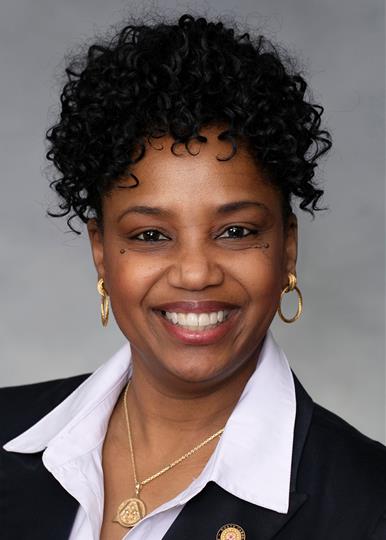
Sen. Kandie Smith
Sponsored bills
Maddy summarySB 645, "The Protect Our Schools Act," requires North Carolina's Department of Transportation to identify "school walk zones" near schools with high pedestrian traffic and set lower speed limits (minimum 20 mph) in those areas during school hours. It increases penalties for speeding in school zones (a $250 fine) or causing injury to a minor (a misdemeanor charge), applying to both public and private schools. The bill creates a $10 million Pedestrian Safety Enhancement Fund to support zone assessments, crosswalk guard training, and public awareness campaigns about school zone safety. These changes directly affect drivers, students, and school communities by strengthening traffic safety measures around schools. The law takes effect on December 1, 2025, with fund allocations beginning July 1, 2025.
Maddy summarySB 647, the Child Promise Act, allocates $90.25 million to expand North Carolina's Pre-K program to 10,000 new slots by 2027, serving 4-year-olds from families earning up to 300% of the federal poverty level (FPL). It provides $6.8 million annually in grants for childcare facilities in underserved areas (where child-to-provider ratios exceed 3:1), with funding levels based on facility size (up to $500,000 for large centers) and requiring a 15% match and 5-year service commitment. The bill also funds after-school programs in high-need public schools (over 50% free/reduced lunch students) for 3 hours daily, adjusts childcare subsidies to cover up to 300% FPL for children under 5, and creates a $1,500 tax deduction per child for families earning 300-400% FPL.
Maddy summarySB 651, "The Hustle Act," establishes North Carolina's Small Business Capital Access Act to improve financing for underserved small businesses and Minority/Women-Owned Business Enterprises (MWBEs). It creates a new Office of Small Business Capital Access within the Department of Commerce and a 11-member Oversight Board to manage a program offering loan guarantees (up to 90% for MWBEs, 80% for others), direct investments, and technical assistance. The program targets businesses headquartered in North Carolina, operating for at least one year, with demonstrated growth potential but denied traditional financing, prioritizing those in low-income or rural communities. Key provisions include requiring qualified lenders (like community banks and CDFIs) to provide loans covered by state guarantees, with funds directed toward business expansion, equipment, or working capital.
Maddy summarySB 646 prohibits individuals convicted of specific January 6, 2021, Capitol insurrection-related offenses (including federal charges under 18 U.S.C. § 1752 or 40 U.S.C. § 5104) or found to have engaged in "infamous or disgraceful conduct" related to disrupting democratic processes from working in North Carolina state government, including universities and community colleges. The bill applies to all state employees and contractors hired on or after July 1, 2025, with due process protections requiring written notice, evidence disclosure, and a hearing opportunity before denial or termination. It directly affects individuals with convictions or findings related to the Capitol events, excluding pardoned individuals and requiring clear evidence for "infamous conduct" determinations. The law becomes effective July 1, 2025, for all new and existing employment decisions.
Maddy summarySB 678 requires North Carolina state agencies to explore using underutilized state-owned buildings for childcare centers, prioritizing state employees. It mandates that new or renovated state buildings costing over $5 million (with >250 workers) include onsite childcare or adult care centers, unless costs rise by 10% or delays exceed six months. The bill also establishes a pilot program funding three private childcare centers on unused state property, requiring contractors to partner with colleges for apprenticeship programs and covering renovation costs. It allocates $5 million for the program and sets reporting deadlines for feasibility studies and pilot outcomes. The law directly affects state employees seeking childcare, private childcare providers, and state property managers.
Maddy summarySB 667, the Government Modernization Act of 2025, requires North Carolina state agencies to upgrade outdated computer systems, enhance cybersecurity protections, and expand online public services. It mandates agencies to conduct IT assessments, implement multi-factor authentication and encryption, and create mobile-friendly portals for licenses, taxes, and business filings. The bill also directs a study on using blockchain technology to secure records, verify licenses, and improve procurement transparency. These changes aim to improve efficiency and accessibility for residents and businesses while reducing bureaucratic delays, with implementation beginning July 1, 2025.
Maddy summarySB 660 increases the property tax exemption for disabled veterans in North Carolina from $45,000 to $75,000 of home value, effective for taxes starting July 2025. It also allows 100% disabled veterans to exclude their primary vehicle from property tax and creates a prequalification process to determine eligibility before purchasing a home. Local governments will be reimbursed by the state for 50% of revenue losses from these exemptions, capped at 1% of their general fund revenue. The bill directly affects North Carolina residents who are 100% disabled veterans or surviving spouses of such veterans.
Maddy summarySB 663, the "End Menstrual Poverty Act," allocates $350,000 in one-time state funds to expand access to feminine hygiene products through North Carolina’s diaper banks and $1 million annually to fund a school-based grant program for feminine hygiene products. It directly affects low-income individuals and students who rely on diaper banks and school programs for essential hygiene items. The bill increases funding for existing distribution networks (diaper banks) and creates a recurring school grant program under state law. This provides concrete policy changes by boosting product availability in community and educational settings without altering eligibility or creating new requirements. The law takes effect July 1, 2025.
Maddy summarySB 674 allows licensed mental health professionals (including clinical counselors, marriage and family therapists, psychologists, and psychiatrists) from other states to practice in North Carolina more easily. It requires applicants to have actively practiced for at least two of the past five years, pass background checks, pay fees, and provide a social security number. The bill mandates licensing boards must issue or deny licenses within 60 days of application, streamlining access to mental health services without replacing existing interstate compacts.