

Maddy summarySB 946, titled the Keep Our Schools Standing Bond Act of 2026, proposes to issue up to $50 billion in state bonds to fund public school construction, repairs, renovations, and security improvements in North Carolina. The funds would be distributed as grants to counties through the Department of Public Instruction, while excluding expenses for salaries, trailers, and administrative buildings. This legislation requires approval from North Carolina voters via a special election before the State Treasurer can issue the bonds.
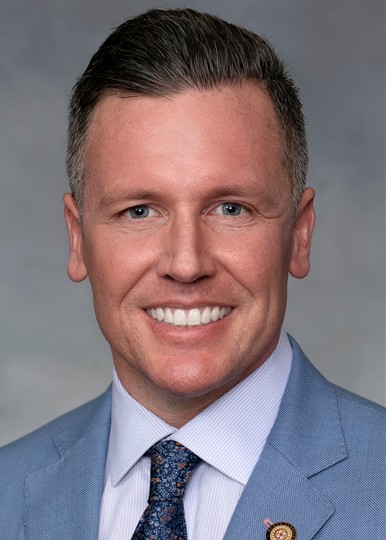
Sen. Michael Garrett
Sponsored bills
Maddy summaryThis bill introduces a new 7% state income tax specifically on earnings that exceed $1 million. The revenue generated from this tax, after deducting administrative costs, will be sent directly to the Public School Fund to support local schools. The law applies to individual taxpayers and is scheduled to take effect for tax years starting on or after January 1, 2026.
Maddy summaryThis bill directs the North Carolina State Education Assistance Authority to conduct a feasibility study on creating a student loan forgiveness program for graduates of public colleges and universities in the state. The study will evaluate the costs, eligibility requirements, and potential economic benefits of offering debt relief to encourage graduates to remain in North Carolina after graduation. To fund this analysis, the bill appropriates $150,000 from the state's General Fund for the 2026-2027 fiscal year. The Authority must complete the study and submit a report with recommendations to the legislature by October 1, 2027. The bill does not establish a forgiveness program itself but rather authorizes a review to determine if such a program is viable.
Maddy summaryThis bill appropriates $3 million from the state's General Fund to provide free hyperbaric oxygen therapy to North Carolina veterans diagnosed with traumatic brain injury or posttraumatic stress disorder. The funding is directed to a nonprofit organization called HBOT 4 HEROES, which will administer the treatment, manage the program, and conduct outcome assessments for an estimated 350 veterans. The act requires the organization to submit a detailed report to state oversight committees by June 30, 2027, covering the number of patients served, their locations, and how the funds were spent. These changes are set to take effect on July 1, 2026.
Maddy summaryThis North Carolina bill aims to address teacher shortages by increasing salaries and creating new financial support for educators. It establishes a new monthly salary schedule for teachers starting in the 2026-2027 school year and reinstates specific pay bonuses for those with advanced degrees or professional certifications. Additionally, the legislation creates a grant program to help student teachers earn money while completing their training and directs a state study on how to further improve educator pay.
Maddy summaryThis bill creates the Frontline Mental Health Support Program in North Carolina to offer confidential counseling to public school teachers and first responders who face occupational stress. Eligible employees, including law enforcement, firefighters, and emergency medical personnel, can access up to 12 licensed therapy sessions per year through in-person or telehealth options. The legislation appropriates $13 million in recurring funds starting in 2026-2027 to establish the program and expand the behavioral health workforce via grants to providers. It also mandates that participation cannot be used as grounds for any adverse employment actions and requires a report on the program's implementation by 2028.
Maddy summarySB 849, known as the Real Tickets, Real Fans Act, aims to protect consumers in North Carolina by regulating how entertainment event tickets are sold and resold. The bill defines specific terms like 'bots' and 'speculative tickets' and requires ticket sellers to clearly display the total price, including all mandatory fees, before a purchase is completed. It also prohibits the sale of speculative tickets, which are tickets not yet owned by the seller, and bans resellers from selling more than one copy of the same ticket. Additionally, the law restricts resellers from selling tickets before they are made available to the general public unless authorized by the event organizer.
Maddy summaryThis bill expands retirement options for first responders in North Carolina, including law enforcement officers, firefighters, and emergency medical services personnel, by allowing them to retire with full benefits after completing 25 years of service. It establishes a new retirement provision effective January 1, 2027, which calculates pension amounts based on a specific percentage of average final compensation multiplied by years of service, rather than requiring employees to wait until age 55 or meet stricter age and service thresholds. The legislation also clarifies definitions for these roles within state and local retirement systems and ensures that individuals killed in the line of duty can access these benefits regardless of their age. Additionally, the bill permits eligible first responders to retire electronically or in writing after meeting the 25-year service requirement, even if they do not retire immediately upon becoming eligible.
Maddy summaryThis bill requires North Carolina public schools to immediately notify parents and guardians of credible threats against students, staff, or the campus, such as violence, weapons, or lockdowns. It mandates that these alerts be sent through at least two different methods, including a phone call for high-level emergencies, and must include details about the threat and the school's response. The legislation also establishes penalties for schools that fail to provide these notifications, which can include financial fines, corrective action plans, or the termination of responsible administrators. Additionally, the bill creates a School Safety Fund and reinstates a task force to oversee these safety measures and annual transparency reports.
Maddy summaryThis bill requires North Carolina public schools to teach artificial intelligence concepts to students from kindergarten through grade 12. It mandates that the State Board of Education create standards covering how AI works, its real-world uses, and ethical issues like privacy, bias, and academic honesty. To support this new requirement, the state will provide $100,000 in funding for the 2026-2027 school year to help schools implement the curriculum. The law takes effect on July 1, 2026, and allows AI instruction to be part of existing computer science classes in middle and high school.