

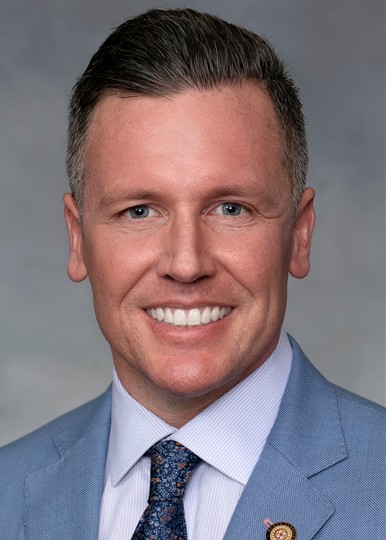
Photo of Michael Garrett
D North Carolina Senate · District 27 On the 2026 ballot

Sen. Michael Garrett

Compare
Total votes
743
all sessions
Attendance
84%
118 missed
Lower than 80% of chamber peers
With party
96%
of cast votes
Near the chamber average
Bipartisan score
2%
crosses aisle rarely
Near the chamber average
Sponsored
358
bills & resolutions
Near the chamber average
Committees
8
assignments
358 bills and resolutions

Sponsored bills

Total
358
Primary
105
Co-sponsor
253
This page
358
matching current filters
Co-sponsor SB 799
died · North Carolina Senate · Co-sponsor
Restore State Emp/Teacher Retiree Med Benefit.

Maddy summaryThis bill prevents the elimination of medical benefits for retired teachers and state employees in North Carolina who began their careers on or after January 1, 2021. It achieves this by removing previous restrictions that would have ended these benefits and applies retroactively to December 31, 2020. To cover the resulting increase in healthcare costs, the legislation appropriates two million dollars from the state's general fund for the 2026-2027 fiscal year. The changes are scheduled to officially take effect on July 1, 2026.

died Apr 23, 2026 1 co-sponsor
Co-sponsor SB 780
died · North Carolina Senate · Co-sponsor
Modernize Medicaid Primary Care Rates.

Maddy summaryThis bill proposes raising Medicaid reimbursement rates for primary care providers in North Carolina to match the rates paid by Medicare. To fund these increases, the state would allocate $48 million from its General Fund starting in the 2026-2027 fiscal year. The changes would take effect on July 1, 2026, and would apply to primary care services as defined by a specific state task force report.

died Apr 23, 2026 1 co-sponsor
Co-sponsor SB 805
died · North Carolina Senate · Co-sponsor
Increase Oral Health Care Access in NC.

Maddy summaryThis bill aims to improve access to dental care in North Carolina by increasing the Medicaid reimbursement rates paid to dentists. Starting in the 2026-2027 fiscal year, the state will allocate $80 million from the General Fund to raise these payment rates, which have not significantly changed since 2008. The legislation seeks to encourage more private dental providers to join the Medicaid program, thereby expanding the network of available dentists for patients. By making it more financially viable for dentists to accept Medicaid, the bill intends to help reduce the number of people relying on emergency departments for urgent dental needs.

died Apr 23, 2026 1 co-sponsor
Co-sponsor SB 789
died · North Carolina Senate · Co-sponsor
Homes for Heroes.

Maddy summaryThis bill creates two main programs to support public servants in North Carolina. First, it establishes a Homebuyers' Assistance Program for first-time homebuyers who work as teachers, firefighters, police officers, or medical personnel, providing up to $25,000 or 10% of the purchase price for down payments and mortgage insurance. Second, it allows unpaid volunteer firefighters and rescue squad members to claim a state income tax credit of up to $5,000 to cover unreimbursed business expenses related to their rescue work. The down payment assistance program is funded with $200 million in recurring state money and will begin on July 1, 2026, while the tax credit applies to taxable years starting on or after January 1, 2026.

died Apr 23, 2026 1 co-sponsor
Co-sponsor SB 793
died · North Carolina Senate · Co-sponsor
Right to IVF.

Maddy summaryThis North Carolina bill establishes a legal right for patients to access assisted reproductive technologies, such as in vitro fertilization, and protects healthcare providers from state interference when offering these services. The legislation explicitly states that fertilized eggs or embryos outside the human body are not considered human beings under state law, while also maintaining existing health and safety regulations for medical facilities. Additionally, the bill appropriates $500,000 in state funds to increase financial support for the Medicaid Maternal Support Services program, known as the Baby Love Program, starting in the 2026-2027 fiscal year.

died Apr 23, 2026 1 co-sponsor
Co-sponsor SB 784
died · North Carolina Senate · Co-sponsor
Ensure Same-Sex Domestic Violence Prot. Order.

Maddy summaryThis bill amends North Carolina law to allow same-sex couples to obtain domestic violence protective orders by removing gender restrictions from the definition of a dating relationship. It updates the legal definition of a personal relationship to include partners of any gender who are romantically involved, rather than limiting protection to opposite-sex couples. Additionally, the legislation allocates $500,000 in state funds to run a public awareness campaign focused on domestic violence prevention within same-sex relationships. The changes apply to all protection orders issued after the law takes effect.

died Apr 23, 2026 1 co-sponsor
Co-sponsor SB 783
died · North Carolina Senate · Co-sponsor
School Mental Health Support Act.

Maddy summaryThis bill creates a $50 million grant program to help North Carolina public schools hire mental health professionals like counselors and social workers, with funding prioritized for schools serving students with limited access to care. It also establishes a loan repayment program that offers eligible school mental health workers up to $15,000 annually to pay down their student loans, provided they work in high-need areas and graduated from a UNC system institution. The legislation requires the state to report annually on how these funds are used and to ensure grants supplement rather than replace existing resources.

died Apr 23, 2026 1 co-sponsor
Co-sponsor SB 816
died · North Carolina Senate · Co-sponsor
Child. of Wartime Vets Sch'ship Funds and Flex.

Maddy summaryThis bill provides funding and expanded flexibility for North Carolina's Children of Wartime Veterans Scholarship Program, directly affecting eligible children of veterans attending state colleges and universities. It appropriates $1 million for the 2025-2026 academic year to increase award amounts for students whose scholarships were previously reduced, with any leftover funds reserved for additional scholarships starting in 2026-2027. For the 2026-2027 academic year, the bill allocates $10 million to double the number of available scholarships from 100 to 200 per class and extends administrative flexibility to allow officials to adjust award amounts, prioritize applicants, and manage room and board payments based on available funds. The legislation also permits the use of up to 2.5% of the program's budget for administrative costs and requires that all scholarship awards be contingent upon the availability of money.

died Apr 23, 2026 1 co-sponsor
Co-sponsor SB 804
In committee · North Carolina Senate · Co-sponsor
Fair Maps Act.

Maddy summarySB 804, known as the Fair Maps Act, proposes to amend the North Carolina Constitution to create an independent Citizens Redistricting Commission that would draw electoral maps for state and federal offices. This bill removes the General Assembly and the Governor from the redistricting process, requiring them to establish the commission but prohibiting them from participating in the actual map-drawing. The commission must follow specific rules, such as ensuring districts have equal populations, remain contiguous, avoid splitting counties, and respect communities of interest without favoring political parties. Because this change alters the state constitution, the bill includes a provision to place the amendment on the ballot for voter approval at the November 2026 general election.

In committee Apr 22, 2026 1 co-sponsor
Co-sponsor SB 781
In committee · North Carolina Senate · Co-sponsor
Health Insurance Premium Tax Credit.

Maddy summaryThis bill creates a tax credit for North Carolina businesses that pay wages to employees to cover their health insurance premiums. To qualify, a business must employ individuals who work at least 35 hours per week and are subject to state tax withholding. Each eligible employee can generate up to a $400 tax credit for the business, but the total credits available in any given year are capped at $5 million. Applications for this credit will be processed on a first-come, first-served basis, and the state will track and report the number of applications and approvals by county. The provisions of this act will take effect for tax years beginning on or after January 1, 2026.

In committee Apr 22, 2026 1 co-sponsor
Showing 21 to 30 of 358 bills
Previous 1 2 3 4 36 Next