

Maddy summarySB 439 imposes a moratorium on new Opportunity Scholarships starting in the 2025-2026 school year, requiring new applicants to have received a scholarship in the prior year. It reduces funding for the program by $83.46 million annually (recurring) and $28.46 million (nonrecurring) for 2025-2026, while redirecting $113.46 million (recurring) and $28.46 million (nonrecurring) to public schools for the same year. The bill phases out the scholarship program entirely by 2037-2038 as current recipients become ineligible, and limits future scholarship funding increases to match public school funding growth. This directly affects new private school scholarship applicants and redirects funds from the Opportunity Scholarship program to North Carolina public schools.
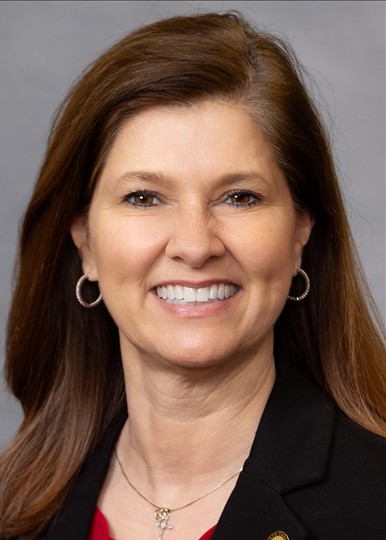
Sen. Sophia Chitlik
Sponsored bills
Maddy summarySB 433 reinstates longevity pay for North Carolina educators, directly affecting teachers, instructional support staff, principals, and assistant principals in public schools. It sets specific annual payment rates based on years of state service: 1.5% for 10-14 years, 2.25% for 15-19 years, 3.25% for 20-24 years, and 4.5% for 25+ years, paid as a lump sum each year. The bill appropriates $140.3 million from the General Fund for the 2025-2026 fiscal year to fund these payments. It becomes effective July 1, 2025, restoring previously cut longevity benefits.
Maddy summarySB 452 raises North Carolina's minimum marriage age to 18 for all individuals, eliminating exceptions that previously allowed 16- and 17-year-olds to marry with court approval or parental consent. The bill repeals existing provisions (G.S. 51-2(a1) and G.S. 51-2.1) that permitted judicial authorization for marriages involving minors under 18, including requirements for court orders, guardian ad litem appointments, and best-interest determinations. This change directly affects minors under 18 who would have sought marriage under the previous law, removing all pathways for underage marriage except for those 18 or older. The policy shift standardizes the marriage age without exceptions, aligning North Carolina with states that prohibit marriage for individuals under 18.
Maddy summarySB 435 restores education-based salary supplements for North Carolina teachers and instructional support personnel (ISP) that were previously eliminated. It directs the State Board of Education to use the 2013 policy (TCP-A-006) to determine eligibility for the "M" salary schedule and degree-based pay increases (e.g., for master's or doctoral degrees). The bill appropriates $8 million from the General Fund for the 2025-2026 fiscal year to fund these reinstated supplements. The law takes effect on July 1, 2025, directly affecting eligible educators' pay through revised salary calculations.
Maddy summarySB 457 requires automatic voter registration for eligible North Carolina residents at driver's license offices, public agencies, community colleges, and UNC system institutions starting January 2026. Individuals applying for or renewing a driver's license, ID card, or college enrollment would be automatically registered to vote unless they explicitly decline during the process. The bill mandates clear disclosures about voter qualifications, penalties for false information, and an outreach campaign by the State Board of Elections. Registration applications submitted at these locations must meet standard deadlines (e.g., received by 5:00 PM, 25 days before an election) to be valid for upcoming votes.
Maddy summarySB 386 establishes same-day voter registration on election day in North Carolina, allowing eligible individuals to register and vote immediately at their county's election office or early voting site. It also permits 16- and 17-year-olds to preregister to vote for upcoming elections they will qualify for upon turning 18. To register under this bill, voters must provide proof of residence (e.g., utility bill, bank statement) and photo ID, and submit a completed registration form. The bill modifies existing deadlines and primary election rules to align with these new registration provisions. This changes how voters can register and participate, focusing on expanding access while maintaining verification requirements.
Maddy summarySB 379, the Senior Care Assurance Act, expands healthcare access for North Carolina seniors (65+) by enhancing Medicaid coverage for preventive screenings and chronic care services. It creates two new programs: a $2.5 million annual grant program to fund free health screenings and geriatric care for low-income seniors (at or below the federal poverty level), prioritizing rural and underserved areas, and a $2 million annual program to help seniors purchase telehealth equipment and internet access, with priority for rural seniors. The bill also updates telehealth infrastructure funding to support rural healthcare providers in establishing telehealth services. These provisions directly benefit seniors facing financial or geographic barriers to care, focusing on preventive health and independent aging.
Maddy summarySB 381 expands North Carolina's anti-discrimination protections to cover housing and employment. It adds sexual orientation, gender identity, military/veteran status, and genetic information to the list of protected characteristics in housing (e.g., rentals, sales, loans) and employment (for employers with 15+ staff). The bill prohibits specific discriminatory actions like refusing housing based on protected status, denying employment opportunities, or making biased land-use decisions. It directly affects residents, renters, job seekers, and businesses operating in these sectors across the state.
Maddy summarySB 358, the "Hate Crimes Prevention Act," expands North Carolina's hate crime laws by increasing penalties for offenses motivated by the victim's actual or perceived race, ethnicity, religion, nationality, gender identity, sexual orientation, disability, or gender expression. It upgrades certain misdemeanors to higher classifications (like Class H felonies) and adds civil remedies for victims, including compensation for emotional distress and attorney fees. The bill also mandates the State Bureau of Investigation to create a hate crimes database, requires law enforcement officers to receive specialized training on identifying and reporting hate crimes, and directs prosecutors to develop hate crime prosecution training. These changes directly affect victims of hate crimes, law enforcement agencies, and prosecutors by strengthening legal responses and data collection.
Maddy summarySB 384 requires North Carolina's Commission for Public Health to establish safe limits for specific toxic chemicals in drinking water by October 2025. It targets chemicals like PFAS, PFOA, PFOS, hexavalent chromium, and 1,4-Dioxane - known or suspected carcinogens - mandating limits based on scientific evidence and ensuring they do not exceed federal EPA standards. The law also requires annual reviews of new research to update these limits as needed. This directly affects all North Carolina residents who rely on public water systems, with special consideration for children, infants, and pregnant people.