

Maddy summarySB 641 reenacts North Carolina's refundable child tax credit, providing financial support to low- and moderate-income families with children. It offers $1,900 annually for each child under age 6 and $1,600 for older qualifying children, with credit amounts phasing out based on income (e.g., married couples filing jointly receive full credit up to $40,000 AGI, reduced to $100 between $40,000-$100,000, and none above $100,000). The credit is refundable, meaning families may receive a cash payment if the credit exceeds their state tax liability. This policy directly affects North Carolina households with children who meet income thresholds, aiming to reduce child poverty by supplementing family income. The bill takes effect for tax years beginning January 1, 2025.
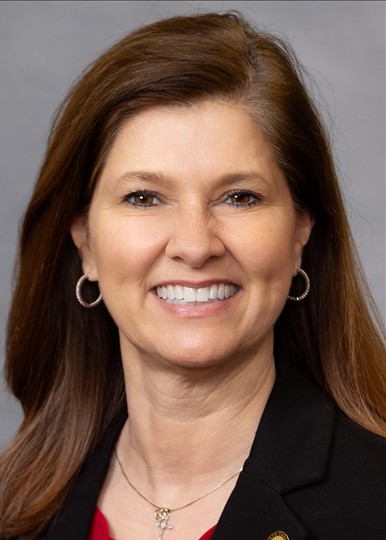
Sen. Sophia Chitlik
Sponsored bills
Maddy summarySB 653, titled "Polluter Pays," requires companies or entities causing water or air pollution to cover cleanup costs and provide alternative water supplies to affected residents. It amends environmental laws to let the state’s Commission order polluters to pay for investigations, cleanup, and temporary or permanent replacement water systems (including whole-house filtration for households) when pollution endangers health or safety. The Commission can enforce these orders through civil lawsuits if polluters refuse payment, and must provide affected residents with water solutions within specified timeframes. This directly affects polluting businesses and residents whose water or air quality is harmed by pollution.
Maddy summarySB 677 requires North Carolina to use state-owned property for childcare centers benefiting state employees and first responders. It mandates that new or renovated state buildings over $5 million with more than 250 workers include childcare or adult care centers, unless costs exceed 10% or delay projects by six months. The bill creates a $5 million pilot program to establish three onsite childcare centers for state employees using underutilized state property, prioritizing providers with fewer than five facilities and requiring apprenticeship partnerships with colleges. It also allocates $6 million for county grants to fund third-shift childcare for first responders in unused county buildings and directs community colleges and UNC system schools to study feasibility of onsite childcare programs by March 2026.
Maddy summarySB 678 requires North Carolina state agencies to explore using underutilized state-owned buildings for childcare centers, prioritizing state employees. It mandates that new or renovated state buildings costing over $5 million (with >250 workers) include onsite childcare or adult care centers, unless costs rise by 10% or delays exceed six months. The bill also establishes a pilot program funding three private childcare centers on unused state property, requiring contractors to partner with colleges for apprenticeship programs and covering renovation costs. It allocates $5 million for the program and sets reporting deadlines for feasibility studies and pilot outcomes. The law directly affects state employees seeking childcare, private childcare providers, and state property managers.
Maddy summarySB 663, the "End Menstrual Poverty Act," allocates $350,000 in one-time state funds to expand access to feminine hygiene products through North Carolina’s diaper banks and $1 million annually to fund a school-based grant program for feminine hygiene products. It directly affects low-income individuals and students who rely on diaper banks and school programs for essential hygiene items. The bill increases funding for existing distribution networks (diaper banks) and creates a recurring school grant program under state law. This provides concrete policy changes by boosting product availability in community and educational settings without altering eligibility or creating new requirements. The law takes effect July 1, 2025.
Maddy summarySB 679, the Women's Care Act, requires North Carolina courts to defer imprisonment for 12 weeks after a pregnant person’s delivery (or end of pregnancy) if they pose no threat to the community. It directly affects pregnant female persons sentenced to prison, mandating courts to postpone incarceration while requiring them to maintain perinatal care, participate in community programs, and report monthly via phone or electronic means. The bill also allows probation supervision without fees during this period and requires prisons to report annual data on pregnant incarcerated women starting in 2026. The law applies to sentences issued on or after its effective date.
Maddy summarySB 661 directs North Carolina's Department of Health and Human Services (DHHS) to study health issues affecting military women, particularly during pregnancy and postpartum. The study will examine coordinating maternity care between military and civilian facilities, improving access to housing and job resources, addressing mental health risks, expanding childbirth support services, and reducing racial disparities in maternal health outcomes. DHHS must consult with military veterans affairs and gather input from currently or formerly serving military mothers. The bill appropriates $100,000 for this study and requires a final report to legislative committees by April 2026. This bill does not enact new programs but mandates a review to inform future policy.
Maddy summarySB 680 creates the North Carolina Child Care Finance Agency to address the state's childcare shortage through targeted financing. The agency will provide loans and bonds for constructing or renovating childcare facilities, prioritizing small providers (under 10 facilities), high-quality licensed centers, and projects in high-need areas. It specifically supports faith-based organizations, businesses offering on-site childcare for employees, and encourages full-day care and workforce development partnerships. The bill directly affects childcare providers, employers, and families by expanding affordable, accessible childcare options across North Carolina.
Maddy summarySB 684 creates a 25% tax credit for North Carolina corporations that make charitable donations of at least $1,000 to permanent funds held by qualifying community foundations. The credit, capped at $50,000 per corporation annually and limited to a total $12.5 million statewide each year, directly affects corporations making qualifying donations and community foundations meeting specific criteria (like serving local communities and having community-led governance). The bill requires foundations to maintain permanent funds for community development and mandates annual reporting on the program’s impact. The tax credit expires for taxable years beginning after December 31, 2029.
Maddy summarySB 683 requires North Carolina courts to impose community-based sentencing (not jail) for nonviolent offenders who are the primary caretaker of a dependent child under 18. It applies to individuals convicted of nonviolent offenses, defined as crimes not involving weapons, burglary, arson, or serious injury risks. Courts must assess eligibility before sentencing and can require conditions like parenting classes, drug treatment, job training, or housing assistance to support family unity. Violations of these conditions may lead to jail time, but the law prioritizes rehabilitation over incarceration for eligible parents. The bill takes effect upon enactment for sentences imposed after that date.