

Maddy summarySB 259, the School Psychologist Omnibus, aims to improve the number and quality of school psychologists in North Carolina public schools. It provides $8.1 million for 2025-2026 to increase school psychologists' salaries by $650 monthly plus 12% for those with NCSP credentials, and allocates $5 million for a grant program offering signing bonuses (up to $5,000) to recruit psychologists, requiring a one-year commitment. Another $5 million funds an internship program with stipends for psychology students and supervisor bonuses, while $5 million supports a virtual training program at Appalachian State University. These provisions directly affect school psychologists, school districts, and psychology training programs across North Carolina.
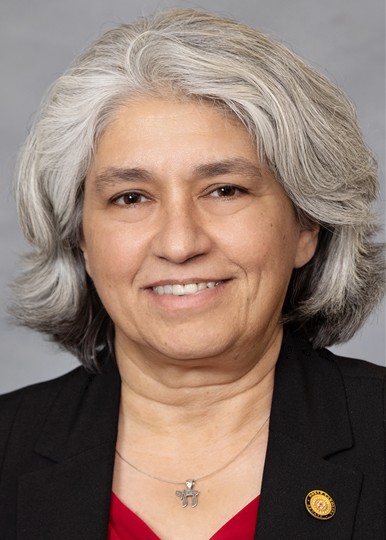
Sen. Lisa Grafstein
Sponsored bills
Maddy summarySB 181 allocates $2 million annually from the General Fund for the 2025-2027 fiscal biennium to the North Carolina Department of Health and Human Services. This funding will support adding five new mobile crisis teams focused on serving communities with the highest need for mental health, developmental disability, and substance use crisis services. The bill directs these teams to operate within the state’s existing mental health framework, with implementation beginning July 1, 2025. It directly affects residents in underserved areas by expanding access to immediate crisis response through these specialized mobile units.
Maddy summarySB 233, titled "Make Corporations Pay What They Owe," would repeal a specific provision (Section 42.2) from a 2021 law (S.L. 2021-180) that was phasing out North Carolina's corporate income tax. This bill does not create new taxes but stops the planned reduction of corporate tax rates, meaning corporations would continue paying the current rate instead of a lower rate scheduled to take effect. It directly affects corporations subject to North Carolina's corporate income tax, as the repeal prevents the phaseout from proceeding. The bill is purely procedural, with no additional provisions or mechanisms beyond this repeal.
Maddy summarySB 247 redirects $6.25 million annually from crisis pregnancy centers to evidence-based maternal and infant health programs administered by North Carolina's Department of Health and Human Services, starting July 2025. It requires the State Auditor to audit Carolina Pregnancy Care Fellowship by March 2026 and mandates detailed reporting from all crisis pregnancy centers receiving state funds. These centers must disclose service types, demographics of clients, funding sources, and whether they misrepresent as medical facilities. The bill aims to increase transparency and reallocate resources toward proven maternal health initiatives.
Maddy summarySB 239 increases the hourly wage for Direct Support Professionals (DSPs) serving Medicaid beneficiaries under North Carolina's Innovations waiver program by $5 per hour for the 2025-2026 fiscal year and another $5 per hour for 2026-2027. The law requires providers receiving this funding to use at least 90% of the increased payments to raise DSP wages directly, with verification through payroll documentation. The Department of Health and Human Services (DHB) will adjust payments to managed care organizations (LME/MCOs), which must pass the increase to providers and report quarterly on DSP wage changes. This policy directly affects DSPs working with people with intellectual and developmental disabilities (I/DD) and their employers under the waiver program.
Maddy summarySB 246 increases North Carolina's Medicaid Innovations Waiver slots by 5,000 for the 2025-2026 fiscal year and another 5,000 for 2026-2027, directly serving approximately 19,000 people with intellectual or developmental disabilities (I/DD) currently on a waiting list. The bill allocates $134 million (2025-2026) and $357.34 million (2026-2027) in state funds to cover a state match for federal funds, enabling these slots to be distributed based on waitlist length. It requires that direct care workers receive at least $20 per hour and ensures unused slots are redistributed to providers meeting wage and service capacity standards. This policy aims to reduce the waiting list, support caregivers in returning to work, and stimulate local economies through new jobs and community-based services.
Maddy summarySB 198 restores local government authority to initiate "down-zoning" in Chatham, Durham, and Wake Counties without requiring written consent from all affected property owners. The bill amends state law to allow counties to reduce development density (e.g., fewer homes per acre) or limit permitted land uses (e.g., banning commercial buildings) through zoning changes, reversing a prior requirement for owner consent. This directly affects property owners and developers in those three counties by changing how zoning regulations can be updated. The law applies retroactively to December 11, 2024, and only covers the specified counties and their municipalities. It does not create new zoning rules but restores the pre-2024-57 process for local governments to adjust zoning maps.
Maddy summarySB 199 prohibits business entities (like corporations or rental companies) from owning 100 or more single-family homes in qualifying North Carolina counties (population >150,000) for rental purposes. It targets large-scale investors whose buying practices may reduce home availability and increase prices for owner-occupants. Violators face daily fines up to $100 per home and potential civil lawsuits with damages, including up to $50,000 in penalties. The law specifically applies to rental properties, not owner-occupied homes, and excludes government entities.
Maddy summarySB 211 reenacts North Carolina's state Earned Income Tax Credit (EITC), providing a cash refund to low-to-moderate income workers. It allows eligible residents to claim a credit equal to 5% of the federal EITC amount they qualify for, which is refundable (meaning they receive a cash payment even if they owe no state tax). The credit applies to taxable years beginning on or after January 1, 2025, and directly benefits working individuals and families with low earnings. The bill reinstates a previously sunsetted provision, ensuring continued state-level support aligned with the federal EITC.
Maddy summarySB 212 restores local government authority to initiate down-zoning in Granville and Wake Counties without requiring written consent from affected property owners. Down-zoning refers to changes that reduce development density or limit permitted land uses (e.g., from commercial to residential). The bill specifically applies to properties within these two counties and their municipalities, reversing a prior requirement that down-zoning amendments needed owner consent. It takes effect immediately upon enactment but applies retroactively to December 11, 2024, to restore pre-existing zoning ordinances affected by a previous law. This policy change directly impacts property owners in Granville and Wake Counties by altering how local governments can modify zoning regulations.