

Maddy summaryHB 89, the "University Vaccination Freedom Act," repeals North Carolina's requirement for college and university students to provide vaccination records. It removes the mandate for students to submit immunization certificates to institutions, effective for the 2026-2027 academic year. The bill retains existing religious exemption provisions (G.S. 130A-157), allowing students to opt out by submitting a written statement of religious beliefs. This change directly affects all students attending public or private colleges and universities in North Carolina.
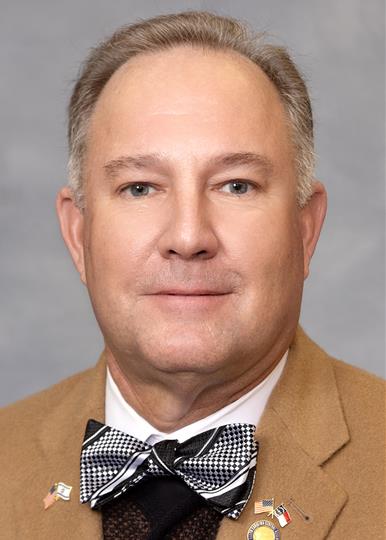
Rep. Jeff McNeely
Sponsored bills
Maddy summaryHB 75, the Pharmaceutical Full Disclosure Act, requires prescription drug manufacturers to clearly disclose specific information in advertisements targeting North Carolina consumers. It mandates that ads include the FDA approval date for the drug's use, the date the drug first became available to U.S. consumers, and detailed clinical trial data for required side effects (such as trial length, participant numbers, and side effect frequency). The law applies to all advertisements via TV, internet, print, or radio in North Carolina published on or after October 1, 2025, directly affecting drug manufacturers and their marketing materials. This policy change aims to provide clearer, evidence-based information about prescription drugs in promotional content.
Maddy summaryHB 76, titled "Protect Access to Assisted Reproductive Technology," establishes legal protections for patients and healthcare providers regarding fertility treatments. The bill prohibits North Carolina or its local governments from banning, unreasonably limiting, or interfering with patients' access to assisted reproductive technology (ART) - including in vitro fertilization (IVF) - or healthcare providers' ability to offer evidence-based information or perform ART services. Key provisions define "assisted reproductive technology" broadly and clarify that the law does not override existing health and safety regulations for medical facilities. This directly affects individuals seeking fertility care and healthcare providers offering such services within North Carolina. The bill does not create new funding or services but ensures state-level barriers cannot restrict access to these medical treatments.
Maddy summaryHB 86, titled "Citizens' Expungement Clarification of 2025," prohibits non-citizens and non-legal residents of the U.S. from clearing criminal convictions or charges from their records through expungement in North Carolina. The bill requires courts to verify a petitioner’s U.S. residency or citizenship status at least 30 days before granting expungement, including potential queries to U.S. Immigration and Customs Enforcement (ICE). It exempts individuals who lawfully entered the U.S. and have filed or are awaiting an immigrant petition with U.S. immigration authorities. The law takes effect October 1, 2025, applying to all expungement petitions filed after that date.
Maddy summaryHB 73, the Energy Security Act of 2025, requires all public utilities in North Carolina to install and maintain 24-hour security systems at their substations to protect against vandalism and other security threats. This law directly affects electric utilities operating substations across the state, mandating continuous operation of these security systems starting July 1, 2025. The bill amends North Carolina General Statutes to add Section 62-334, specifying the security requirements without creating new funding or penalties. It focuses on physical security measures for critical infrastructure without altering utility rates or service standards.
Maddy summaryHB 61 increases penalties for assaulting certain emergency personnel with a firearm in North Carolina. It reclassifies assaults against law enforcement officers, probation/parole officers, National Guard members, detention facility staff, emergency medical technicians, medical responders, firefighters, and law enforcement telecommunicators as a Class B1 felony (instead of Class D) when committed during their duties. The bill specifically targets firearm assaults, making them punishable by more severe prison sentences. This law takes effect December 1, 2025, for offenses occurring on or after that date.
Maddy summaryHB 60 increases Medicaid dental reimbursement rates from 35% to 46% of average dentist charges (2023 rates) to align with neighboring states. The bill allocates $52 million annually from North Carolina's General Fund, matched by $95 million in federal funds, to cover this rate increase starting July 1, 2025. It directly affects dentists who accept Medicaid patients and Medicaid beneficiaries seeking dental care, aiming to boost provider participation and prevent costly emergency treatments. The change addresses years of stagnant rates that reduced dental provider enrollment in Medicaid.
Maddy summaryHB 66 would shorten North Carolina's early voting period by changing the start date from the third Thursday before an election to the second Monday before the election. It specifies that voters may only cast early ballots between 8:00 a.m. and 3:00 p.m. on the last Saturday before an election. This bill directly affects voters in North Carolina elections by reducing the window for early in-person voting. The change applies to all elections held on or after the law's effective date. The bill modifies existing voting procedures without altering election administration rules beyond the early voting timeframe.
Maddy summaryHB 46 requires that any new state law creating health benefit mandates (like coverage requirements or provider rules) must also repeal an equal number of existing mandates and include funding for the new mandate. It directly affects North Carolina legislators, employers (especially small businesses), and taxpayers by changing how health insurance rules are added or removed. Key provisions include defining "health benefit mandates" broadly (e.g., coverage requirements, cost-sharing rules) and mandating that new mandates must be paired with both repeal of existing mandates and dedicated funding. The bill applies to future legislation considered by the General Assembly, starting 30 days after enactment, and also updates rules for the State Health Plan for Teachers and State Employees.
Maddy summaryHB 39 excludes motor vehicles owned by veterans with a 100% disability rating certified by the U.S. Department of Veterans Affairs from North Carolina property tax. It amends state tax law to add these vehicles as a designated exempt class under G.S. 105-275. The exclusion applies to vehicles registered on or after January 1, 2026. This policy directly affects eligible disabled veterans who own motor vehicles, reducing their property tax burden. The bill does not change eligibility criteria or tax rates for other vehicle classes.