

Maddy summaryHB 1042 updates North Carolina's property tax exemptions for nonprofit organizations that provide housing for low- or moderate-income individuals. The bill clarifies that land held by nonprofits for future affordable housing projects can remain tax-exempt for up to five years, with unpaid taxes deferred until the project is completed or the land is no longer used for this purpose. Additionally, the legislation establishes a new specific exemption for affordable rental housing, defining it as developments where more than half the units are rented to tenants earning at or below 80% of the area median income. These changes aim to provide clearer tax incentives for nonprofits developing and operating affordable rental properties.
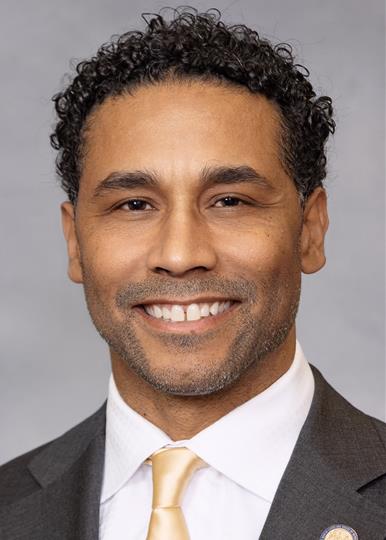
Rep. Brian Echevarria
Sponsored bills
Maddy summaryThis bill proposes a constitutional amendment that would require the North Carolina legislature to establish a statewide limit on how much local property tax levies can increase each year. The measure also mandates that any local government wanting to raise property taxes beyond this limit must first obtain approval from a majority of voters in that specific area. Because this change alters the state constitution, it will not take effect immediately but will instead be placed on the November 3, 2026, ballot for voters to decide whether to adopt. If approved by the public, the amendment would legally bind the General Assembly to create the specific tax increase caps mentioned in the text.
Maddy summaryHB 144 is a proposed constitutional amendment that would change how North Carolina's State Board of Education is structured. It requires voters to elect all board members (except the Lieutenant Governor and Treasurer, who are Council of State members) from districts established by the General Assembly, with terms of four years. The Superintendent of Public Instruction would automatically serve as the board's chair (ex officio member) without needing separate election. This amendment must be approved by voters in the 2026 election and would take effect for terms beginning January 1, 2029. It does not change the current composition of the board but alters how members are selected and who serves as chair.
Maddy summaryThis bill, known as the Mike Clampitt 1st Responder Tax Fairness Act, aims to expand tax exemptions for volunteer fire departments and rescue squads in North Carolina. Specifically, it allows these independent groups, which have two or fewer paid employees and are already exempt from state income tax, to avoid paying a highway use tax on specific emergency vehicles like fire trucks, forest firefighting units, and other emergency service vehicles. The change applies to vehicles when a certificate of title is issued on or after July 1, 2026, ensuring these organizations can acquire necessary equipment without incurring this particular tax. By broadening the existing exemption, the legislation directly benefits volunteer responders who operate outside of local government units.
Maddy summaryThis bill prohibits individuals from updating their voter registration information, such as changing addresses or names, at the North Carolina Division of Motor Vehicles (DMV) or through its website. Instead, any changes to an existing registration must now be processed exclusively at the local County Board of Elections. The legislation requires that applications for these updates be forwarded electronically to the appropriate election board within five business days of submission. This change directly affects drivers who previously could manage their voting records while handling their license renewals or corrections at a DMV office.
Maddy summaryThis bill allows wastewater treatment system operators in North Carolina to calculate sewage flow rates for new homes at a lower standard of 55 gallons per day per bedroom, provided the state environmental department approves the change based on local usage data. Under the new rules, operators must still ensure that reducing the flow rate does not harm public health or the environment, while systems without allocated capacity for future connections must continue using the standard rate of 75 gallons per day per bedroom. To support these changes, the state will allocate $10,000 to the Department of Environmental Quality in the 2026-2027 fiscal year to review and evaluate the proposed lower flow rates. The legislation is set to take effect on July 1, 2026.
Maddy summaryThis bill establishes a program to provide free hyperbaric oxygen therapy to North Carolina veterans diagnosed with traumatic brain injury or posttraumatic stress disorder. The legislation appropriates $3 million from the state General Fund to a nonprofit organization to deliver approximately 15,000 treatments to an estimated 350 eligible veterans over the 2026-2027 fiscal year. The program includes structured clinical care and requires the provider to submit a detailed report on outcomes and fund usage by June 2027.
Maddy summaryHB 1091, known as the DWI Modernization Act of 2026, updates North Carolina laws regarding impaired driving to improve enforcement, increase penalties, and provide clearer procedures for drivers. The bill requires magistrates to provide written explanations when dismissing DWI charges, ensuring officers must justify their probable cause decisions based on specific test results and observations. It also adjusts fees for license restoration, increases fines for repeat offenders, and mandates that transportation network drivers meet the same sobriety standards as commercial bus drivers. Additionally, the legislation makes it a felony for adults to help minors obtain alcohol if that minor causes serious injury, while also clarifying the immediate revocation process for drivers who refuse chemical tests.
Maddy summaryThis bill creates a new program in North Carolina that requires individuals convicted of domestic violence to register on a public list if they have at least one prior domestic violence conviction. The State Bureau of Investigation will maintain this registry, which will include the offender's name, date of birth, conviction details, and a photograph, while keeping addresses and social security numbers private. Registration periods last two years for one prior offense, five years for two prior offenses, and ten years for three or more prior offenses, with fees of $150 paid by the offender to cover registry costs. The law takes effect on December 1, 2026, and applies to offenses committed on or after that date, though prior convictions do not need to have occurred by then.
Maddy summaryThis bill, known as the Curriculum Honesty, Compliance, and Child Safety Act, establishes new rules for North Carolina public schools regarding parental rights and curriculum content. It requires schools to obtain parental consent before changing a student's name or gender designation in records and mandates that parents be notified before their child receives counseling related to sexuality or gender identity. Additionally, the legislation prohibits any instruction on gender identity or sexual activity in grades kindergarten through fourth grade, with exceptions only for answering student-initiated questions. The bill also creates mechanisms for enforcement, allowing parents to sue schools for violations and authorizing state auditors to investigate noncompliance.