

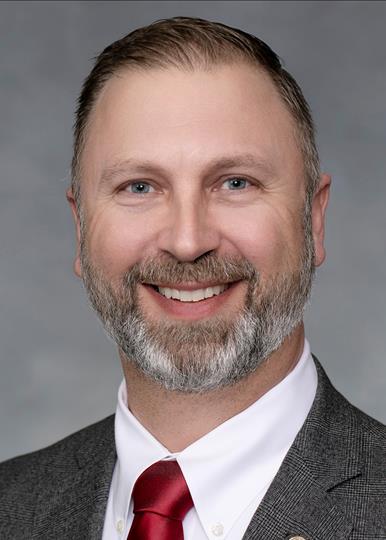
Photo of Matthew Winslow
R North Carolina House · District 7

Rep. Matthew Winslow

Compare
Total votes
1,795
all sessions
Attendance
90%
179 missed
Near the chamber average
With party
99%
of cast votes
Higher than 87% of chamber peers
Bipartisan score
1%
crosses aisle rarely
Lower than 89% of chamber peers
Sponsored
255
bills & resolutions
Near the chamber average
Committees
12
assignments
255 bills and resolutions

Sponsored bills

Total
255
Primary
50
Co-sponsor
205
This page
255
matching current filters
Co-sponsor HB 1074
In committee · North Carolina House · Co-sponsor
Prescription Drug Expenses Tax Deduction.

Maddy summaryThis North Carolina bill allows taxpayers to deduct up to $5,000 of unreimbursed costs for prescribed medications and pharmacy fees from their state income tax. The deduction applies to expenses not covered by tax-advantaged accounts like Flexible Spending or Health Savings Accounts and prevents double-dipping if a federal deduction is already claimed for the same year. Effective for tax years starting on or after January 1, 2026, the measure directly affects individuals paying out-of-pocket for prescription drugs who itemize their state taxes.

In committee May 12, 2026 1 co-sponsor
Co-sponsor HB 1081
In committee · North Carolina House · Co-sponsor
Veterans/Hyperbaric Oxygen Therapy/Funds.

Maddy summaryThis bill establishes a program to provide free hyperbaric oxygen therapy to North Carolina veterans diagnosed with traumatic brain injury or posttraumatic stress disorder. The legislation appropriates $3 million from the state General Fund to a nonprofit organization to deliver approximately 15,000 treatments to an estimated 350 eligible veterans over the 2026-2027 fiscal year. The program includes structured clinical care and requires the provider to submit a detailed report on outcomes and fund usage by June 2027.

In committee Apr 30, 2026 1 co-sponsor
Co-sponsor HB 1032
In committee · North Carolina House · Co-sponsor
Repeal Two Percent Local Grocery Tax.

Maddy summaryThis bill repeals the authority for North Carolina counties to collect a one percent local sales tax on groceries, effectively exempting food from these local taxes. By removing the option for voters to approve this specific tax, the legislation directly affects county governments and consumers who currently pay this surcharge on food purchases. The change applies to sales made on or after October 1, 2026, and does not alter the existing state sales tax rules.

In committee Apr 22, 2026 1 co-sponsor
Co-sponsor HB 491
Failed · North Carolina House · Co-sponsor
Medicaid Rebase Funding.

Maddy summaryHB 491 prepares North Carolina's Medicaid program to implement work requirements if authorized by the federal Centers for Medicare and Medicaid Services (CMS). It requires the state's Division of Health Benefits to negotiate with CMS, notify oversight committees within 30 days of starting talks, and submit detailed reports after CMS approves any work requirements plan. The bill does not enact work requirements itself but establishes procedures for future implementation, including timelines for reporting funding needs. This would directly affect current Medicaid recipients if CMS approves work requirements, though the bill is procedural and conditional on federal approval. The legislation is currently in committee review and has not yet become law.

Failed Oct 23, 2025 1 co-sponsor
Co-sponsor HB 118
In committee · North Carolina House · Co-sponsor
Disabled Veterans Tax Relief Bill.

Maddy summaryHB 118 modifies North Carolina's property tax exemption for disabled veterans, replacing a flat $45,000 exclusion with a percentage-based system tied to the veteran's VA disability rating. It directly affects veterans with a 50% or higher service-connected disability rating (or surviving spouses under specific conditions), allowing them to exclude a portion of their home's appraised value from property taxes - equal to their disability percentage. For example, a veteran with a 70% disability rating would exclude 70% of their home's value from taxes. The bill takes effect for taxes due in 2025 and prohibits combining this relief with other property tax exemptions.

In committee Sep 23, 2025 1 co-sponsor
Co-sponsor HB 402
Signed into law · North Carolina House · Co-sponsor
Limit Rules With Substantial Financial Costs.

Maddy summaryHB 402 requires North Carolina state agencies to assess the financial impact of proposed permanent rules. If a rule would cost affected individuals or businesses $20 million or more over five years, it must be approved by the General Assembly before taking effect. For rules with a $1 million or more annual cost impact, agencies must prepare a fiscal note for review by the Office of State Budget and Management. The bill also mandates a two-thirds vote by agency boards to adopt rules exceeding the $1 million cost threshold. This directly affects state agencies creating regulations and the businesses or residents who would bear the costs of those rules.

Signed into law Jul 29, 2025 1 co-sponsor
Co-sponsor HB 318
Signed into law · North Carolina House · Co-sponsor
The Criminal Illegal Alien Enforcement Act.

Maddy summaryHB 318 requires North Carolina county jails and detention facilities to check the immigration status of individuals charged with specific offenses (including certain felonies, misdemeanors, and impaired driving) and to notify U.S. Immigration and Customs Enforcement (ICE) if a detainer is issued. If ICE issues a detainer, facilities must hold the person for up to 48 hours (or until ICE takes custody) and notify ICE 2 hours before the person would otherwise be released. For pretrial defendants facing similar charges, the bill mandates a two-hour hold to allow ICE to issue a detainer; if none is received, the defendant must be released. The law also shields state officials from liability when following these procedures.

Signed into law Jul 29, 2025 1 co-sponsor
Co-sponsor HB 549
Signed into law · North Carolina House · Co-sponsor
Clarify Powers of State Auditor.

Maddy summaryHB 549 clarifies the State Auditor's authority by exempting the Office of the State Auditor from certain financial oversight laws and IT procurement rules. It specifies that the Auditor can access all state agency records (including digital data), investigate misuse of public funds, and refer certain cases to other agencies like the State Ethics Commission. The bill directly affects the State Auditor’s office, state agencies, and publicly funded entities that handle state or federal funds. These changes streamline the Auditor’s ability to conduct audits and investigations while maintaining clear boundaries for their oversight role.

Signed into law Jul 29, 2025 1 co-sponsor
Co-sponsor HB 992
Signed into law · North Carolina House · Co-sponsor
Timeshare Foreclosure/Paternity Matters.

Maddy summaryHB 992 creates a new foreclosure process for timeshare owners in North Carolina who fall behind on assessments. It requires managing entities to provide a 30-day written notice detailing delinquency amounts before denying timeshare use or canceling reservations. The bill allows managing entities to rent out the delinquent owner's timeshare to cover unpaid assessments, applying rental proceeds toward the debt while requiring reasonable efforts to secure rentals. It also establishes a lien on the timeshare for unpaid assessments from the due date. The bill additionally references changes to paternity procedures for children born out of wedlock, though specific details on this provision are not provided in the text.

Signed into law Jul 9, 2025 1 co-sponsor
Co-sponsor HB 768
Signed into law · North Carolina House · Co-sponsor
Emergency Communication Code Exemptions/Sanitary Board/401.

Maddy summaryHB 768 clarifies exemptions from in-building emergency responder communication system requirements in North Carolina's fire code. It exempts specific small buildings: R-2 apartment buildings of Type V construction meeting egress rules, and hotels/motels under two stories with direct exterior egress from each unit. The bill also provides rules for disconnecting existing communication systems in these exempt buildings and requires the Building Code Council to adopt formal rules incorporating these changes. These provisions directly affect property owners and developers of qualifying residential buildings by reducing compliance requirements.

Signed into law Jul 2, 2025 1 co-sponsor
Showing 11 to 20 of 255 bills