

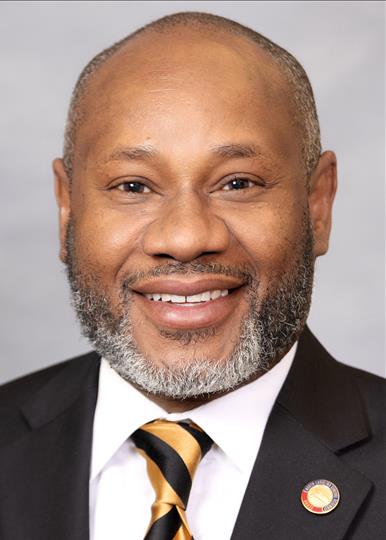
Photo of Amos Quick
D North Carolina House · District 58 On the 2026 ballot

Rep. Amos Quick

Compare
Total votes
2,369
all sessions
Attendance
90%
235 missed
Near the chamber average
With party
96%
of cast votes
Near the chamber average
Bipartisan score
3%
crosses aisle rarely
Near the chamber average
Sponsored
1,019
bills & resolutions
Near the chamber average
Committees
8
assignments
1,019 bills and resolutions

Sponsored bills

Total
1,019
Primary
62
Co-sponsor
957
This page
1,019
matching current filters
Primary HB 1147
In committee · North Carolina House · Lead sponsor
Intellectual and Developmental Disabilities Omnibus.

Maddy summaryThis bill aims to improve support for people with intellectual and developmental disabilities in North Carolina through three main changes. It mandates a minimum wage increase of $18 per hour for direct care workers by raising Medicaid reimbursement rates for providers and facilities, with funds appropriated starting in fiscal year 2026-2027. Additionally, the legislation adds at least 1,000 slots to the state's Medicaid waiver program and requires the creation of a ten-year plan to address unmet service needs. Finally, it seeks to remove income and asset limits for the state's Medicaid buy-in program for workers with disabilities, allowing more individuals to qualify for coverage regardless of their earnings or savings.

In committee May 4, 2026 0 co-sponsors
Co-sponsor HB 1158
In committee · North Carolina House · Co-sponsor
Increase Market Rate/Rate Floor/Child Subsidy.

Maddy summaryThis bill raises child care subsidy rates in North Carolina to the 75th percentile of market costs, directly benefiting low-income families who use state-funded care. Starting in July 2026, the state will automatically update these rates based on future market studies and establish a minimum payment floor for providers in counties where local rates are lower. The legislation appropriates $60 million from the General Fund and $20 million from federal grants to cover the initial increase, with an additional $160 million allocated to maintain the statewide rate floor. While most counties will adopt the new statewide standard, areas with very few children in specific age groups may keep their current rates if the state rate would be too low to secure care for eligible families.

In committee May 4, 2026 1 co-sponsor
Co-sponsor HB 1159
In committee · North Carolina House · Co-sponsor
Investing in Teen Mental Health.

Maddy summaryThis North Carolina bill appropriates approximately $1.3 million from the state's General Fund to the Department of Health and Human Services for the 2026-2027 fiscal year. The funds are designated to expand access to Teen Mental Health First Aid and Youth Mental Health First Aid training programs across the state. These training courses are designed to teach high school students how to recognize signs of mental health and substance use challenges among their peers and connect them with support. The legislation takes effect on July 1, 2026.

In committee May 4, 2026 1 co-sponsor
Co-sponsor HB 1141
In committee · North Carolina House · Co-sponsor
Protecting Medicaid and Autism Services.

Maddy summaryHB 1141 allocates over one billion dollars in state funding to adjust Medicaid payments for North Carolina starting in 2025, ensuring the program can cover rising costs and new services. The bill also permits Medicaid managed care plans to create exclusive networks of providers specifically for research-based behavioral health treatments, while requiring all other essential services to remain available to all providers in the area. Additionally, the legislation removes specific rules that could cause people enrolled in Medicaid expansion to lose their coverage, thereby stabilizing access to care for this population.

In committee May 4, 2026 1 co-sponsor
Co-sponsor HB 1133
In committee · North Carolina House · Co-sponsor
Historically Black Colleges and Universities/Historically Minority-Serving Institutions Omnibus.

Maddy summaryHB 1133 aims to support Historically Black Colleges and Universities (HBCUs) and other minority-serving institutions in North Carolina through three main actions. First, it establishes a temporary committee to study the physical condition of HBCU buildings, including safety risks, age, and maintenance needs, with a report due in early 2027. Second, it creates a permanent financial aid program for students at specific UNC constituent institutions, providing up to $1,000 per year to help cover costs for those who need financial assistance to graduate on time. Third, the bill allocates nonrecurring funds in the 2026-2027 fiscal year for specific infrastructure repairs and renovations at Winston-Salem State University.

In committee May 4, 2026 1 co-sponsor
Co-sponsor HB 1146
In committee · North Carolina House · Co-sponsor
2026 Governor's Budget.

Maddy summaryHB 1146 establishes the 2026 Governor's Budget for North Carolina by allocating specific funding amounts to state departments, institutions, and agencies for the 2025-2027 fiscal biennium. The bill directly affects public education, health and human services, agriculture, justice, and general government entities by setting their operational budgets for the upcoming fiscal year. Key provisions include detailed dollar amounts for various programs, such as funding for public instruction, university operations, and health services, while also allowing for savings to revert to the state fund if not fully utilized. This legislation provides the financial framework necessary for state agencies to carry out their mandated duties and services during the specified period.

In committee May 4, 2026 1 co-sponsor
Co-sponsor HB 1138
In committee · North Carolina House · Co-sponsor
Aging With Dignity Act.

Maddy summaryHB 1138, known as the Aging With Dignity Act, aims to improve long-term care for older North Carolinians by prioritizing home-based services over institutional care for Medicaid beneficiaries aged 55 and older. The bill mandates that institutional placement be the exception rather than the rule, requiring documented medical justification and regular reassessments to ensure individuals remain in the most integrated setting possible. It also establishes a requirement for periodic medication reviews to prevent adverse drug interactions and reduce hospitalizations, while integrating behavioral health services into geriatric care plans. Additionally, the legislation appropriates funds for strategic investments in the state's aging infrastructure and reestablishes a study commission to address the needs of the growing senior population.

In committee May 4, 2026 1 co-sponsor
Co-sponsor HB 1175
In committee · North Carolina House · Co-sponsor
Affordability in Healthcare Act.

Maddy summaryThis North Carolina legislation aims to reduce healthcare expenses and boost competition by adding a low-cost plan option to the state's insurance marketplace. It establishes a purchasing consortium for public entities to negotiate better rates and allocates funds for chronic disease prevention initiatives. The bill also removes regulatory barriers for rehabilitation facilities and limits hospital consolidation to maintain market diversity. These provisions impact residents seeking coverage, public employers, healthcare providers, and hospital systems within the state.

In committee May 4, 2026 1 co-sponsor
Co-sponsor HB 1167
In committee · North Carolina House · Co-sponsor
2026 Governor's Budget.

Maddy summaryHB 1167 establishes the 2026 Governor's Budget for North Carolina by providing specific funding amounts to state departments, institutions, and agencies for their current operations. The bill directly affects a wide range of public services, including education, health and human services, agriculture, justice, and general government functions. Key provisions include allocating funds for public schools, universities, healthcare programs, and law enforcement, with detailed dollar amounts specified for each fiscal year of the 2025-2027 biennium. Any unused funds from these appropriations will revert to the appropriate state funds at the end of the fiscal year.

In committee May 4, 2026 1 co-sponsor
Co-sponsor HB 1095
In committee · North Carolina House · Co-sponsor
Tier System Reevaluation.

Maddy summaryThis bill directs North Carolina state agencies to stop using the current development tier system for various programs by July 1, 2028, and instead create their own specific criteria based on objective data. It applies to multiple departments, including those responsible for agriculture, transportation, health, and education, which must report their proposed replacement plans to relevant oversight committees by February 1, 2027. The legislation provides $1.1 million in funding to assist agencies in developing these new standards and includes a temporary clause preventing the downgrading of certain economic areas for the next three years. Ultimately, the bill aims to replace the existing tier designations with tailored measures that better align program goals with measurable outcomes.

In committee Apr 30, 2026 1 co-sponsor
Showing 21 to 30 of 1,019 bills
Previous 1 2 3 4 102 Next