

Maddy summaryThis bill establishes a program to provide free hyperbaric oxygen therapy to North Carolina veterans diagnosed with traumatic brain injury or posttraumatic stress disorder. The legislation appropriates $3 million from the state General Fund to a nonprofit organization to deliver approximately 15,000 treatments to an estimated 350 eligible veterans over the 2026-2027 fiscal year. The program includes structured clinical care and requires the provider to submit a detailed report on outcomes and fund usage by June 2027.
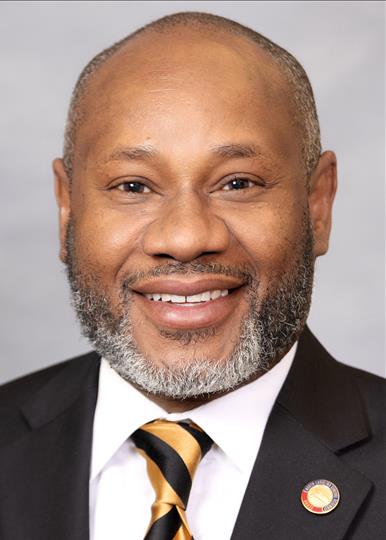
Rep. Amos Quick
Sponsored bills
Maddy summaryThis bill allocates state funding to improve hangar facilities at Smith Reynolds Airport in Forsyth County, North Carolina. Specifically, it directs $15.5 million in nonrecurring funds to the Department of Transportation for structural repairs, modernization, and infrastructure enhancements at two specific hangar locations. The financial appropriation is designated for the 2026-2027 fiscal year, with the act becoming effective on July 1, 2026.
Maddy summaryHB 1082, titled the Tax Relief for Working Families Act, would reinstate North Carolina's state Earned Income Tax Credit for families with children. The bill establishes a refundable tax credit equal to 5% of the federal credit amount claimed by eligible taxpayers, with a specific provision for the 2013 tax year that sets the rate at 4.5%. If the calculated credit exceeds the taxpayer's state tax liability, the difference is refunded to them. Although the legislation includes a sunset clause that would repeal the credit after the 2013 tax year, the act is scheduled to take effect for taxable years beginning on or after January 1, 2026.
Maddy summaryHB 1107 allocates $2 million in recurring state funds to support families who provide foster care in North Carolina. Beginning in the 2026-2027 fiscal year, these funds will be distributed to county social services departments based on documented need to help with recruiting, training, and supporting foster families. The bill takes effect on July 1, 2026, and aims to assist the Division of Social Services in its efforts to maintain foster care placements.
Maddy summaryHB 1130 aims to improve conditions for public school teachers and instructional staff in North Carolina by adjusting pay structures and offering financial incentives for advanced certification. The bill reinstates education-based salary supplements for the 2025-2026 school year and allocates funds to support these payments starting in 2026-2027. It also establishes a forgivable loan program to help teachers cover the costs of obtaining National Board for Professional Teaching Standards certification, provided they achieve this credential within five years. Additionally, the legislation sets a new monthly salary schedule based on years of experience and grants a 12% monthly salary increase to teachers who hold NBPTS certification. Local school administrators will gain more flexibility in setting school calendars as part of the broader changes to teacher employment and quality of life.
Maddy summaryThis bill creates the Affordable Maternal Access and Cancer Care Act to improve health outcomes for marginalized groups in North Carolina by establishing two new programs. The first part sets up a grant program that provides funding to community-led organizations to address maternal mortality and severe illness among underserved populations, with a focus on supporting social needs like housing, nutrition, and transportation. The second part ensures that patients do not face higher costs for necessary breast imaging tests compared to standard screening mammograms. The legislation appropriates five million dollars for the 2026-2027 fiscal year to fund these initiatives and hire staff to manage the grants.
Maddy summaryThis bill strengthens traffic safety and law enforcement in Mecklenburg County by funding 12 new State Trooper positions and five additional magistrates, effective in 2026. It increases fines for failing to stop for school buses and expands the use of vehicle registration records as initial proof of driver responsibility in such cases. The legislation also restricts public access to video footage from highway cameras, allowing disclosure only to specific individuals involved in the recorded incident or their legal representatives. Furthermore, the bill raises penalties for moving over violations and street takeover incidents, establishes reckless boating as a criminal offense, and increases fines for assaulting public transit workers.
Maddy summaryThis bill proposes constitutional changes to North Carolina property tax laws, with a primary focus on allowing the state to use area median income as a standard for granting tax relief. It also modifies the existing homestead circuit breaker to adjust income eligibility limits and expands funding for property reappraisals. Because the core amendment requires voter approval, the bill currently sets up a referendum to be voted on by the public in November 2026. If approved, the change would enable the General Assembly to create property tax exemptions based on local income levels across the state. Additionally, the legislation updates rules for nonprofit housing exemptions and directs grant money to county commissioners to support more frequent property valuations.
Maddy summaryThis bill appropriates $2.7 million from the Highway Fund to the North Carolina Department of Transportation for the 2026-2027 fiscal year. The funding is intended to install traffic signal preemption technology that allows traffic lights to change automatically when emergency vehicles approach an intersection. This system prioritizes first responder vehicles to reduce response times and improve safety at intersections. The act becomes effective on July 1, 2026.
Maddy summaryHB 1066, the Child Care Stabilization and Affordability Act, aims to address North Carolina's child care shortages by redirecting funds from the Opportunity Scholarship Program to support child care services. The bill reduces scholarship funding for private school vouchers, with the savings used to expand child care subsidies, stabilize existing programs, and improve early childhood educator pay and benefits. It also streamlines administrative rules for child care providers and clarifies regulations for religious programs. These changes directly affect families seeking child care subsidies, private school scholarship recipients, and child care providers across the state.