

Maddy summaryHouse Bill 433 allows licensed registered nurses (RNs) to serve as school nurses in North Carolina public schools. The bill prohibits the State Board of Education from requiring a four-year degree for school nurse employment. It specifies that RNs with at least two years of experience in a hospital or health clinic can work as school nurses without needing additional certifications or licenses. These qualified registered nurses will be paid under the certified school nurse pay scale.
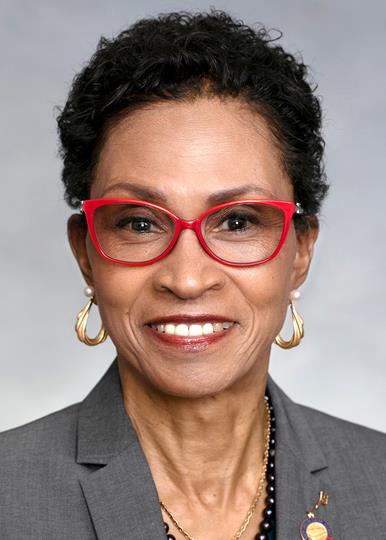
Rep. Renée Price
Sponsored bills
Maddy summaryHouse Bill 390, titled "Alleviate the Dangers of Surgical Smoke," establishes new standards for surgical smoke evacuation in North Carolina. This bill requires all licensed hospitals and ambulatory surgical facilities to adopt and implement policies mandating the use of a smoke evacuation/filtering system during surgical procedures likely to generate surgical smoke. A smoke evacuation/filtering system is defined as equipment that captures, filters, and eliminates surgical smoke at its origin. The Department of Health and Human Services is authorized to take adverse action against facilities that violate these new requirements. This act is scheduled to become effective on January 1, 2026.
Maddy summaryThis bill establishes a grant program within the North Carolina Department of Health and Human Services to fund community organizations focused on improving maternal health outcomes for Black women. The program provides financial awards ranging from $10,000 to $50,000 to support initiatives that address social determinants of health, such as housing, transportation, nutrition, and access to childcare. Eligible applicants must be community-based groups led by Black women that offer evidence-based services including doula support, mental health care, and culturally respectful training for health workers. The legislation also requires the department to provide technical assistance to grant recipients and submit annual reports on fund usage and program effectiveness.
Maddy summaryHB 1197 updates the North Carolina Teaching Fellows Program by increasing forgivable loan amounts for future students and establishing stricter criteria for selecting partner teacher training institutions. Under the new rules, eligible students can receive up to $10,000 per academic year, while the program will only partner with schools that meet specific performance standards, such as high licensure pass rates and alignment with the Science of Reading. Additionally, the bill mandates a study by the Friday Institute to investigate why some participants choose to repay their loans in cash rather than fulfilling their service obligations. These changes are set to take effect for the 2026-2027 academic year, with previous program revisions applied retroactively to current participants.
Maddy summaryThis North Carolina bill prohibits cities, counties, and local or state law enforcement agencies from entering contracts to detain noncitizens in locked immigration facilities for civil immigration cases. It also bans these agencies from maintaining facilities specifically designed to house individuals awaiting removal proceedings under federal authority. To support oversight, the Department of Public Safety must collect and report annual data on detainees, including demographics, legal status, and release or deportation details. The law includes funding for administrative costs and is set to take effect on December 1, 2026.
Maddy summaryHB 1206 establishes the North Carolina Pregnant Workers Fairness Act to protect employees from discrimination based on pregnancy, childbirth, or related medical conditions. The law requires private employers with 15 or more employees, as well as state and local government entities, to provide reasonable accommodations to qualified employees who have communicated their limitations, unless doing so would cause an undue hardship. Key provisions prohibit denying employment opportunities, forcing specific accommodations without consultation, or taking adverse action against workers who request or use these accommodations. The bill also outlines enforcement mechanisms, allowing aggrieved employees to file civil lawsuits for remedies such as back pay, compensatory damages, and reinstatement, with a three-year statute of limitations for filing claims.
Maddy summaryThis bill, titled "Save Our Beaches," stops a specific rule that would have allowed the use of wheat straw bales for sand fencing in North Carolina's ocean hazard areas. By disapproving this rule, the legislation ensures that beach restoration projects in these zones cannot rely on this particular type of temporary barrier. The change directly affects coastal management agencies and contractors who might have planned to use wheat straw bales for erosion control. Ultimately, the bill leaves the decision of which materials are permitted for sand fencing to existing regulations rather than the new wheat straw provision.
Maddy summaryHB 1209 appropriates $1 million in recurring state funds starting in the 2026-2027 fiscal year to expand the North Carolina New Teacher Support Program. The money is directed to the University of North Carolina Board of Governors to provide embedded instructional coaching and professional development for beginning teachers within local school districts. Key provisions include partnering with teacher training programs to extend support after graduation, aligning coaching with evidence-based practices, and prioritizing high-need rural areas to help retain new educators. This legislation aims to create a more coherent system for teacher development by connecting pre-service training with ongoing in-district support.
Maddy summaryThis North Carolina bill requires training programs for sexual assault nurse examiners to submit annual reports to the state Board of Nursing regarding graduate employment details. It also mandates that active nursing licensees register with the Board to provide and update their training credentials and practice locations. The legislation creates a database for this information and allocates $50,000 to help the Board implement these reporting requirements. These changes take effect in 2026 and apply to active nurses and their training programs within the state.
Maddy summaryThis bill prevents homeowners' associations and unit owners' associations in North Carolina from restricting residents from installing, maintaining, or using solar panels, edible gardens, and certain accessory dwelling units. The law specifically prohibits these groups from enforcing rules against solar energy systems, gardens located within a property owner's boundaries, and secondary housing units that comply with building codes and zoning laws. Additionally, the legislation allocates $100,000 to the Department of Justice to educate the public about these new restrictions. The changes take effect immediately upon becoming law.