

Maddy summaryHB 1235 proposes two constitutional amendments to limit the General Assembly's power and increase legislative transparency. The first amendment would restrict the legislature from passing laws that interfere with the Governor's ability to direct state agencies and manage executive departments, while also placing stricter limits on how administrative powers can be transferred between elected officials. The second amendment would require every bill to address only one specific subject and mandate that bill texts be published to the public and legislators at least 48 hours before a final vote, with exceptions for emergency situations. These changes are not yet in effect; instead, the bill sets up a process to put these amendments on the ballot for North Carolina voters to decide on November 3, 2026.
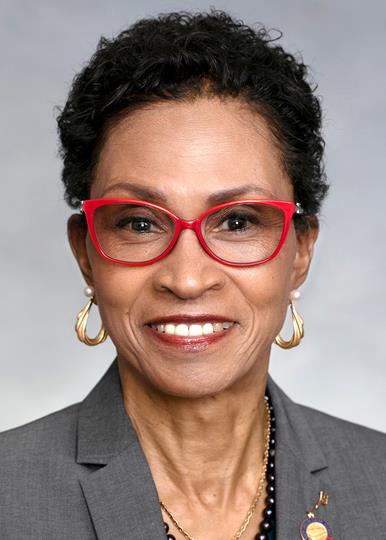
Rep. Renée Price
Sponsored bills
Maddy summaryThis bill establishes an Interstate Compact for School Psychologists in North Carolina, allowing licensed professionals to practice in other participating states without facing repetitive licensing requirements. The legislation creates a commission to oversee the agreement and defines specific rules for mobility, including provisions for military families and standards for professional conduct. Additionally, the bill allocates funds to support a virtual training program for school psychologists. By streamlining the licensure process, the measure aims to increase the availability of qualified mental health services in schools across member states.
Maddy summaryThis bill reestablishes the North Carolina State Board of Elections as an independent state agency, shifting its budgeting authority from the State Auditor back to the Board itself. The legislation changes how board members are selected by requiring the Governor to appoint five registered voters from lists of nominees provided by the two major political parties, with a limit of no more than three members from the same party. Additionally, the bill adjusts the appointment process for county election boards, ensuring they include representatives from the two largest political parties and designating a chair appointed by the Governor. These structural changes are set to take effect on July 1, 2027, following the expiration of current board terms.
Maddy summaryThis bill, known as the Mike Clampitt 1st Responder Tax Fairness Act, aims to expand tax exemptions for volunteer fire departments and rescue squads in North Carolina. Specifically, it allows these independent groups, which have two or fewer paid employees and are already exempt from state income tax, to avoid paying a highway use tax on specific emergency vehicles like fire trucks, forest firefighting units, and other emergency service vehicles. The change applies to vehicles when a certificate of title is issued on or after July 1, 2026, ensuring these organizations can acquire necessary equipment without incurring this particular tax. By broadening the existing exemption, the legislation directly benefits volunteer responders who operate outside of local government units.
Maddy summaryThis bill proposes to allocate $2,178,000 in state funds to hire at least 25 additional Adult Protective Services workers across North Carolina counties starting in the 2026-2027 fiscal year. The money is intended specifically to cover salaries and benefits for new staff who will investigate reports of elder abuse, neglect, and exploitation, with distribution based on factors like case volume and the number of seniors in each area. The legislation explicitly prohibits using these funds to replace existing staff or for any purpose other than paying the new workers. Although the bill was withdrawn from committee in May 2026, its primary function is to increase state funding for local social services agencies to address a growing demand for elder abuse investigations.
Maddy summaryThis bill allocates $6 million in state funds to expand two food assistance programs in North Carolina for the 2026-2027 fiscal year. The first $4 million supports FarmSHARE, which provides grants to buy locally grown food and distribute it for free to food-insecure individuals and households. The second $2 million funds the Double Up Food Bucks Program, allowing people receiving nutrition assistance to use their benefits to purchase fresh fruits and vegetables at farmers markets and other local retailers. Both programs require the state department to submit annual reports detailing participation numbers, distribution metrics, and financial data to legislative oversight committees. The legislation takes effect on July 1, 2026.
Maddy summaryHB 122, the North Carolina Healing Arts Act, would establish a new North Carolina Healing Arts Commission to regulate specific complementary medicine professions. It directly affects reflexologists and music therapists by requiring them to obtain state licenses to practice, ensuring they meet standards for public safety and professional competence. The bill creates the Commission to develop licensing rules, issue and enforce licenses, handle disciplinary actions, and set fees - all funded by practitioner fees rather than state funds. This legislation aims to protect consumers by standardizing qualifications for these healing arts professions while creating a formal regulatory structure.
Maddy summaryThis bill prohibits federal or state troops from being stationed at North Carolina voting locations within 17 days of an election, unless they are needed to repel an armed enemy. It also restricts the release of voters' personal data, such as social security numbers and email addresses, to federal agencies unless a judge issues a court order or arrest warrant. While the law allows standard law enforcement to remain for emergencies or specific requests, it creates a legal path for voters to seek court injunctions if these rules are violated. The legislation applies to all elections held on or after it becomes effective and includes penalties for those who breach these protections.
Maddy summaryHB 1193, known as the Mike Clampitt Bone Marrow Donation Act, designates November as Marrow Donation Awareness Month in North Carolina. The bill requires the Department of Health and Human Services and the Department of Motor Vehicles to promote bone marrow donation by posting public service announcements online and displaying them at driver license offices. Additionally, the legislation appropriates $100,000 to fund a state-wide public awareness campaign for this initiative, with the law taking effect on July 1, 2026.
Maddy summaryHB 1166 reorganizes the North Carolina Advisory Council on Rare Diseases by moving it from the University of North Carolina at Chapel Hill to the Department of Health and Human Services. The bill establishes a 19-member council with diverse representation, including physicians, researchers, patients, caregivers, and industry representatives, who will advise state officials on research, diagnosis, treatment, and education for rare diseases. It also provides funding for the council's operating expenses and sets rules for membership terms, meetings, and the selection of a chair.