

Maddy summaryHB 163 regulates Pharmacy Benefits Managers (PBMs) to ensure fair practices for pharmacies and insured individuals. The bill prohibits PBMs from charging insurers more for a prescription drug than they pay the pharmacy (spread pricing) and requires patient out-of-pocket costs to be based on the net price after any PBM concessions. It establishes minimum reimbursement standards for pharmacies, preventing PBMs from paying less than the national average drug acquisition cost plus a dispensing fee. Additionally, it clarifies that PBMs cannot restrict accredited pharmacies from dispensing specialty drugs and strengthens audit protections for pharmacies.
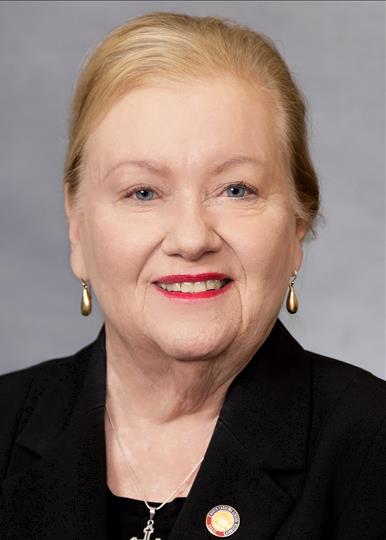
Rep. Diane Wheatley
Sponsored bills
Maddy summaryHouse Bill 107 designates the second week of November each year as Sudden Unexpected Death in Epilepsy (SUDEP) Awareness Week in North Carolina. Additionally, it encourages local boards of education to develop and offer seizure awareness training for school personnel who are responsible for students with epilepsy or who are otherwise predisposed to seizures. This training aims to provide school staff with information to support these students.
Maddy summaryHB 570, the "Responsible Firefighting Foam Management Act," restricts the use of firefighting foams containing PFAS chemicals for training and testing. It prohibits any person, local government, or state agency from discharging Class B firefighting foam with intentionally added PFAS for training or practice purposes. For testing, these foams are also prohibited unless required by law or an authority, and the testing facility has implemented measures to prevent environmental releases. The bill mandates the use of non-fluorinated alternatives for training and is set to become effective on December 1, 2025.
Maddy summaryHouse Bill 663, known as the Living Donor Protection Act, aims to support individuals who donate organs or bone marrow. The bill prohibits insurance companies from discriminating against individuals solely based on their status as a living organ donor in various insurance policies. It also establishes a state income tax credit of up to $5,000 for unreimbursed expenses, such as lost wages and travel, incurred by living donors. Furthermore, the act provides state employees and state-supported personnel with up to 30 days of paid leave for organ donation and seven days for bone marrow donation.
Maddy summaryHouse Bill 110 establishes the National Guard Student Loan Repayment Program in North Carolina. This program provides student loan repayment awards to active members of the North Carolina National Guard, incentivizing them to begin or complete a term of service of at least three years. Awards cannot exceed the recipient's total student loan debt or $50,000 for a three-year service term, with potential for additional funds for longer service. Recipients must sign an agreement to repay a portion of the award if they voluntarily terminate their service early. The bill appropriates over $25.5 million to a new fund for the program for the 2025-2026 fiscal year.
Maddy summaryHB 956 aims to enhance financial protections for disabled adults and North Carolina residents aged 65 or older. It requires financial institutions and electronic fund transfer entities to report to county social services if they observe a pattern of financially harmful behavior or a six-month cessation of communication from these adults. During the period from when such issues are first noted (or a cognitive impairment diagnosis is made) until the report is submitted, these entities are prohibited from charging late fees, other penalties, or interest on loans to the affected adult. This bill amends existing law to ensure late payment charges are subject to these new protections, becoming effective October 1, 2025.
Maddy summaryHouse Bill 703 allows State veterans cemeteries to sell monuments and memorials directly to honor individuals interred within them. This bill permits the sale of items such as memorial trees, granite or marble markers, and benches, though not headstones. State veterans cemeteries can establish stylistic guidelines for these items and must not charge more than the market rate. The funds generated from these sales will be retained by the selling cemetery and dedicated solely to its maintenance, improvement, and care. This act becomes effective on October 1, 2025.
Maddy summaryHB 949, known as the School Protection Act, proposes to allow specific armed security guards to carry firearms on nonpublic educational property in North Carolina. The bill amends existing law to create an exemption for sworn law enforcement officers who are hired as armed security guards by nonpublic schools and are acting in their official duties on school premises. This includes officers certified under state law enforcement chapters, company police officers, and campus police officers. If enacted, this change would become effective on December 1, 2025.
Maddy summaryHB 985 increases the criminal penalty for assaulting a school employee or volunteer in North Carolina. It reclassifies such assaults from a Class A1 misdemeanor to a Class I felony when the incident occurs while the individual is performing their duties or as a result of their duties. The bill broadly defines "school employee or volunteer" to include staff, independent contractors, and adult volunteers involved in school activities. It also protects school personnel from civil or criminal liability for taking reasonable actions to end student fights. Finally, the bill updates supervisor reporting requirements for assaults and prohibits intimidating employees from reporting these incidents.
Maddy summaryHB 69, the Military and Veterans Educational Promise Act, provides two key benefits for military-affiliated individuals and veterans at North Carolina's University of North Carolina (UNC) schools. First, it requires UNC institutions to allow eligible military members (including reservists) and their spouses to defer admission for up to five years (for active duty) or two years (for reserve service) upon enrollment notice. Second, it establishes in-state tuition rates for honorably discharged veterans who served at least 90 days in the military, graduated from a North Carolina high school after 2004, had a North Carolina duty station, or received a Purple Heart. The bill applies to all UNC institutions beginning in the 2025-2026 academic year.