

Maddy summaryHB 163 regulates Pharmacy Benefits Managers (PBMs) to ensure fair practices for pharmacies and insured individuals. The bill prohibits PBMs from charging insurers more for a prescription drug than they pay the pharmacy (spread pricing) and requires patient out-of-pocket costs to be based on the net price after any PBM concessions. It establishes minimum reimbursement standards for pharmacies, preventing PBMs from paying less than the national average drug acquisition cost plus a dispensing fee. Additionally, it clarifies that PBMs cannot restrict accredited pharmacies from dispensing specialty drugs and strengthens audit protections for pharmacies.
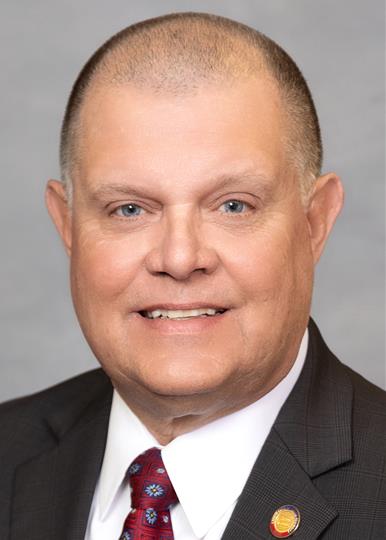
Rep. Charlie Miller
Sponsored bills
Maddy summaryHB 570, the "Responsible Firefighting Foam Management Act," restricts the use of firefighting foams containing PFAS chemicals for training and testing. It prohibits any person, local government, or state agency from discharging Class B firefighting foam with intentionally added PFAS for training or practice purposes. For testing, these foams are also prohibited unless required by law or an authority, and the testing facility has implemented measures to prevent environmental releases. The bill mandates the use of non-fluorinated alternatives for training and is set to become effective on December 1, 2025.
Maddy summaryHB 729, titled the "Farmland Protection Act," makes several changes related to solar energy development. It reduces the property tax exclusion for solar energy electric systems from 80% to 40% of their appraised value, which will increase the taxable value of these systems. The bill also prohibits the construction of new utility-scale solar projects that are not qualifying facilities under federal law, unless they are sited on specific types of land such as brownfields, non-agricultural land, or clear-cut timberland. Additionally, it updates the effective dates for requirements regarding financial assurance and decommissioning plans for utility-scale solar projects, affecting both existing and new facilities.
Maddy summaryHB 806, titled "Public School Operational Relief," proposes changes to North Carolina's public school regulations concerning class sizes and teacher licensure. The bill removes state-mandated class size requirements for kindergarten through third grade, making them recommendations, and eliminates penalties for exceeding these former maximums. It also introduces a new provision requiring that at least 50% of teachers in a public school hold a teaching license. Unlicensed teachers hired under this provision would need to complete preservice training in areas such as educating children with disabilities and managing student behavior. These changes would apply to public schools and local school administrative units beginning with the 2025-2026 school year.
Maddy summaryHB 574 establishes a Workforce Development Pilot Project in North Carolina. This bill provides funds to the Office of State Budget and Management to be allocated to the North Carolina Workforce Development Coalition (NCWDC). The NCWDC will then provide grants to eligible North Carolina-based employers, with 20 to 1,500 employees, to support employer-sponsored training programs. These grants aim to increase job creation, reduce employee turnover, improve wages, and upgrade worker skills, especially in industries with identified training gaps. Employers can receive up to 50% of eligible training costs or $2,000 per trainee, with a maximum of $40,000 annually per employer.
Maddy summaryThis bill designates "The Andy Griffith Show" as the official television show of the State of North Carolina. This symbolic act recognizes the cultural impact of the show and its connection to the state.
Maddy summaryHouse Bill 272, known as "The Sergeant Mickey Hutchens Act," allows certain law enforcement, probation/parole, and correctional officers in North Carolina to purchase additional retirement service credit. Officers who hold an advanced law enforcement or corrections certificate and have at least five years of membership service can buy up to four years of creditable service. This purchase applies to members of the Teachers' and State Employees' Retirement System or the Local Governmental Employees' Retirement System. To do so, they must pay a lump sum covering the full cost of the increased retirement system liability and an administrative fee, with the option for their employer to contribute to this cost.
Maddy summaryHB 695 amends the allocation of 911 funds to support the state's VIPER public safety radio network. This bill requires the 911 Board to allocate a minimum of 20% of total 911 service charges to the State Highway Patrol. These funds are designated for the support and maintenance of the VIPER system, specifically for its role in 911 services, ensuring interoperability among 911 systems, and facilitating first responder dispatch. This change aims to enhance emergency communications and dispatch capabilities throughout the state and becomes effective July 1, 2025.
Maddy summaryHB 707 prohibits North Carolina state agencies and local governments from purchasing small drones (under 55 pounds) made or assembled by foreign vendors linked to China or Russia, or listed on U.S. sanctions lists. The bill directly affects all state and local government entities that buy drone technology, banning the use of state funds for such purchases starting July 1, 2027. Key provisions define "covered foreign entities" as those tied to Chinese/Russian governments, on U.S. sanctions lists, or controlled by those nations. This law aims to restrict drone acquisitions from specific foreign sources without altering existing drone usage policies.
Maddy summaryHB 887 defines "abandoned vessels" (left unattended >30 days without permission) and "derelict vessels" (in poor condition, like wrecked or sinking), directly affecting vessel owners and operators in North Carolina. It creates new rules requiring vessels to be secured properly to avoid damaging waters or property, limits docking in state waters to 10 days within any 30-day period, and gives the Commission authority to remove abandoned or derelict vessels from public or private land/waters without liability. The bill includes exceptions for historic shipwrecks under state custody and vessels abandoned during emergencies, where owners must notify authorities and remove the vessel within 10 days. This legislation aims to address safety and environmental risks posed by neglected vessels.