

Maddy summaryThis bill modifies North Carolina law to change how confidential legislators' documents are handled. It requires legislators to serve as custodians for all documents they receive or create while in office, but allows specific exceptions where these documents must be disclosed. The exceptions include federal grand jury subpoenas, requests from investigative authorities, correspondence about state funding for businesses and nonprofits, communications with lobbyists, staff compensation records, and correspondence with state agencies regarding business interests. The law applies to both current and former legislators and takes effect immediately upon becoming law.
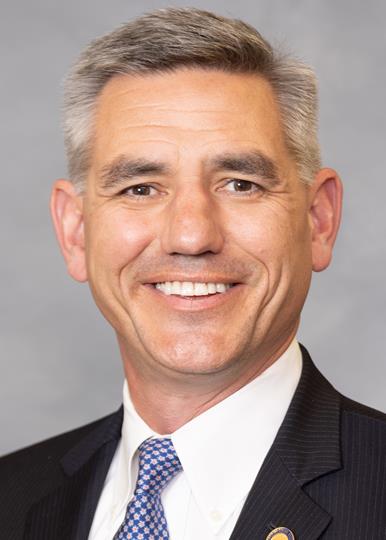
Rep. Brian Turner
Sponsored bills
Maddy summaryHB 945 requires North Carolina public schools to specify whether incidents of sexual assault, harassment, or other violence occurred on school buses when submitting reports to the State Board of Education. It increases reporting frequency from annual to biannual (at the end of each school quarter) and establishes a Class I felony penalty for school employees or board members who fail to report such incidents. The bill directly affects local school boards, administrators, and staff who must comply with these reporting requirements. The State Board will compile and publish these reports, excluding sensitive minor identifiers, starting with the 2025-2026 school year. This law aims to improve tracking of violence on school buses through standardized reporting and enforcement.
Maddy summaryHB 940 prohibits employment discrimination based on pregnancy, childbirth, or pregnancy-related conditions in North Carolina. It requires employers to treat pregnant employees the same as others with similar abilities to work, provide reasonable accommodations (like modified schedules or breastfeeding breaks), and grant leave for pregnancy-related disability on par with other medical leave. The bill also mandates that employers allow return to the same or equivalent position after leave and clarifies that discrimination claims must be filed within three years. It directly affects employers with 15+ employees and pregnant or postpartum workers in North Carolina.
Maddy summaryHB 941 expands North Carolina's Teaching Fellows Program to address teacher shortages by providing forgivable loans to students pursuing teaching careers in high-need areas like special education, STEM, elementary education (K-6), and specific secondary subjects. The bill establishes a Trust Fund to cover loan amounts (up to $12,000 annually for up to four years), administrative costs, mentorship, and extracurricular programs like summer initiatives and alumni engagement. It requires selected colleges to meet strict standards, including high graduate effectiveness rates, alignment with "Science of Reading" training for elementary programs, and diverse school practicum opportunities. The program directly affects prospective teachers enrolled at up to 14 approved institutions of higher education who commit to teaching in qualifying licensure areas across North Carolina public schools.
Maddy summaryHB 947 ("Every Child Reads") requires North Carolina public schools to screen all students in kindergarten through third grade, sixth grade, and ninth grade for dyslexia using state-approved tools. It mandates teacher training on dyslexia identification and evidence-based reading interventions, and requires literacy instruction in middle schools to align with the Science of Reading. The bill also creates Individual Reading Plans (IRPs) for kindergarten through third graders struggling with reading, based on assessment data, and transfers the NC Pre-K program to the Department of Public Instruction. These provisions directly affect students with dyslexia, K-3 teachers, and school districts implementing literacy programs.
Maddy summaryHB 916 strengthens North Carolina's Do Not Call and Do Not Text Registry by requiring telemarketers to remove registered numbers from their contact lists within 30 business days when a resident requests no further calls, reducing the previous timeframe from 60 days. It directly affects North Carolina residents who have registered their phone numbers and telemarketers operating in the state, including partner companies. Key provisions include clarifying that "telephone solicitation" covers text messages and automated calls, and holding companies jointly liable if they accept sales leads generated by illegal telemarketing calls. The bill updates state law to align with federal telemarketing rules and enforce stricter compliance.
Maddy summaryHB 911 requires North Carolina local school boards to create and publicly share experience-based salary schedules for full-time occupational and physical therapists employed in public schools, ensuring these pay scales align with existing noncertified education salary ranges. For the 2025-2026 school year, therapists must receive at least the higher of their current salary or the new schedule amount, plus a monthly supplement equal to 10% of a teacher's salary for five additional years plus $350. School boards must also submit annual workforce reports detailing therapist staffing levels, contractor use, and vacancies to the state education department. The bill directly affects school-employed therapists and local school boards, with supplements contingent on legislative funding.
Maddy summaryHB 942 allocates $10 million in recurring state funds for the 2025-2026 fiscal year to the North Carolina Coalition Against Sexual Assault. This funding will be distributed by the Coalition to partner organizations, including domestic violence programs, rape crisis centers, and child advocacy centers. The bill directs these organizations to use the funds for victim advocacy services, such as counseling and support for survivors of sexual assault. The legislation becomes effective July 1, 2025, and directly supports survivors by strengthening local victim services.
Maddy summaryThis bill establishes the Free to Learn Library Bill of Rights Act in North Carolina to protect residents' rights to access information, maintain privacy, and participate in library services without discrimination or undue restriction. It applies to all public libraries, including their online services and digital resources, and outlines specific rights such as unrestricted access to materials regardless of viewpoint, protection from surveillance and intimidation, confidentiality of library records, and fair access for all patrons regardless of personal characteristics. The legislation also includes anti-retaliation protections for library employees and volunteers who report violations, requires regional library systems to document compliance, and mandates strict data privacy practices for online usage tracking. Additionally, the bill appropriates funds to support implementation and directs the State Library to provide model language for interlocal agreements to ensure consistent compliance across the state.
Maddy summaryHB 965 proposes adding a constitutional amendment to guarantee all North Carolinians the right to clean water, clean air, and a preserved environment, including protection of natural resources like air, water, wildlife, and soils. If approved by voters in the 2026 general election, it would automatically become part of the state constitution, requiring the state to act as a trustee of natural resources for present and future generations. The amendment would not change current environmental laws but would establish a new constitutional standard that future legislation must align with. This bill must still pass through the legislature and gain voter approval to take effect.