

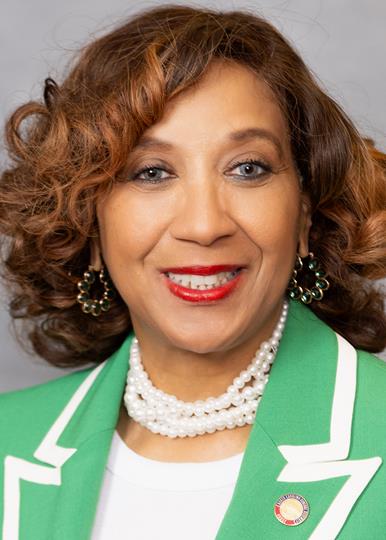
Photo of Carolyn Logan
D North Carolina House · District 101 On the 2026 ballot

Rep. Carolyn Logan

Compare
Total votes
2,410
all sessions
Attendance
94%
137 missed
Near the chamber average
With party
92%
of cast votes
Lower than 90% of chamber peers
Bipartisan score
4%
crosses aisle rarely
Higher than 88% of chamber peers
Sponsored
1,127
bills & resolutions
Higher than 95% of chamber peers
Committees
8
assignments
1,127 bills and resolutions

Sponsored bills

Total
1,127
Primary
85
Co-sponsor
1,042
This page
1,127
matching current filters
Co-sponsor HB 1154
In committee · North Carolina House · Co-sponsor
Expand the FarmSHARE Food Hub Program.

Maddy summaryThis bill allocates $6 million in state funds to expand two food assistance programs in North Carolina for the 2026-2027 fiscal year. The first $4 million supports FarmSHARE, which provides grants to buy locally grown food and distribute it for free to food-insecure individuals and households. The second $2 million funds the Double Up Food Bucks Program, allowing people receiving nutrition assistance to use their benefits to purchase fresh fruits and vegetables at farmers markets and other local retailers. Both programs require the state department to submit annual reports detailing participation numbers, distribution metrics, and financial data to legislative oversight committees. The legislation takes effect on July 1, 2026.

In committee May 13, 2026 1 co-sponsor
Co-sponsor HB 1230
In committee · North Carolina House · Co-sponsor
No Federal Interference in Elections.

Maddy summaryThis bill prohibits federal or state troops from being stationed at North Carolina voting locations within 17 days of an election, unless they are needed to repel an armed enemy. It also restricts the release of voters' personal data, such as social security numbers and email addresses, to federal agencies unless a judge issues a court order or arrest warrant. While the law allows standard law enforcement to remain for emergencies or specific requests, it creates a legal path for voters to seek court injunctions if these rules are violated. The legislation applies to all elections held on or after it becomes effective and includes penalties for those who breach these protections.

In committee May 12, 2026 1 co-sponsor
Co-sponsor HB 1193
In committee · North Carolina House · Co-sponsor
Rep. Mike Clampitt Bone Marrow Donation Act.

Maddy summaryHB 1193, known as the Mike Clampitt Bone Marrow Donation Act, designates November as Marrow Donation Awareness Month in North Carolina. The bill requires the Department of Health and Human Services and the Department of Motor Vehicles to promote bone marrow donation by posting public service announcements online and displaying them at driver license offices. Additionally, the legislation appropriates $100,000 to fund a state-wide public awareness campaign for this initiative, with the law taking effect on July 1, 2026.

In committee May 12, 2026 1 co-sponsor
Co-sponsor HB 1166
In committee · North Carolina House · Co-sponsor
Reorganize and Fund Rare Disease Advisory Council.

Maddy summaryHB 1166 reorganizes the North Carolina Advisory Council on Rare Diseases by moving it from the University of North Carolina at Chapel Hill to the Department of Health and Human Services. The bill establishes a 19-member council with diverse representation, including physicians, researchers, patients, caregivers, and industry representatives, who will advise state officials on research, diagnosis, treatment, and education for rare diseases. It also provides funding for the council's operating expenses and sets rules for membership terms, meetings, and the selection of a chair.

In committee May 12, 2026 1 co-sponsor
Co-sponsor HB 1074
In committee · North Carolina House · Co-sponsor
Prescription Drug Expenses Tax Deduction.

Maddy summaryThis North Carolina bill allows taxpayers to deduct up to $5,000 of unreimbursed costs for prescribed medications and pharmacy fees from their state income tax. The deduction applies to expenses not covered by tax-advantaged accounts like Flexible Spending or Health Savings Accounts and prevents double-dipping if a federal deduction is already claimed for the same year. Effective for tax years starting on or after January 1, 2026, the measure directly affects individuals paying out-of-pocket for prescription drugs who itemize their state taxes.

In committee May 12, 2026 1 co-sponsor
Co-sponsor HB 390
Passed · North Carolina House · Co-sponsor
Medicaid Prepaid Health Plan Practices.

Maddy summaryHouse Bill 390, titled "Alleviate the Dangers of Surgical Smoke," establishes new standards for surgical smoke evacuation in North Carolina. This bill requires all licensed hospitals and ambulatory surgical facilities to adopt and implement policies mandating the use of a smoke evacuation/filtering system during surgical procedures likely to generate surgical smoke. A smoke evacuation/filtering system is defined as equipment that captures, filters, and eliminates surgical smoke at its origin. The Department of Health and Human Services is authorized to take adverse action against facilities that violate these new requirements. This act is scheduled to become effective on January 1, 2026.

Passed May 12, 2026 1 co-sponsor
Co-sponsor HB 1228
In committee · North Carolina House · Co-sponsor
Down-Zoning/Historic Districts-Mecklenburg County.

Maddy summaryThis bill clarifies that designating a historic district in Mecklenburg County does not count as "down-zoning" under state law. By making this distinction, the legislation ensures that local governments can create historic districts without needing the written consent of every property owner within the area, a requirement that currently applies to other types of down-zoning. The law also prohibits waiting periods that prevent applicants from resubmitting denied development requests. These changes apply retroactively to December 11, 2024, and affect only Mecklenburg County.

In committee May 7, 2026 1 co-sponsor
Co-sponsor HB 1195
In committee · North Carolina House · Co-sponsor
MOMnibus 3.5.

Maddy summaryThis bill establishes a grant program within the North Carolina Department of Health and Human Services to fund community organizations focused on improving maternal health outcomes for Black women. The program provides financial awards ranging from $10,000 to $50,000 to support initiatives that address social determinants of health, such as housing, transportation, nutrition, and access to childcare. Eligible applicants must be community-based groups led by Black women that offer evidence-based services including doula support, mental health care, and culturally respectful training for health workers. The legislation also requires the department to provide technical assistance to grant recipients and submit annual reports on fund usage and program effectiveness.

In committee May 5, 2026 1 co-sponsor
Co-sponsor HB 1184
In committee · North Carolina House · Co-sponsor
Voucher School Transparency Act.

Maddy summaryHB 1184, known as the Voucher School Transparency Act, requires nonpublic schools in North Carolina that receive Opportunity Scholarship funds to submit detailed annual reports to the State Board of Education. These schools must provide financial documentation, standardized test scores for students in grades three and higher, and specific data on graduation rates, teacher licensure, and student demographics. The bill also mandates that schools with at least 70 scholarship recipients or $100,000 in funding undergo annual financial audits, while smaller schools are audited every three years. Additionally, the legislation requires these institutions to conduct criminal background checks for staff, maintain physical facilities within the state, and share safety plans with local law enforcement.

In committee May 5, 2026 1 co-sponsor
Co-sponsor HB 1188
In committee · North Carolina House · Co-sponsor
Limits on Immigration Detention Facilities.

Maddy summaryThis North Carolina bill prohibits cities, counties, and local or state law enforcement agencies from entering contracts to detain noncitizens in locked immigration facilities for civil immigration cases. It also bans these agencies from maintaining facilities specifically designed to house individuals awaiting removal proceedings under federal authority. To support oversight, the Department of Public Safety must collect and report annual data on detainees, including demographics, legal status, and release or deportation details. The law includes funding for administrative costs and is set to take effect on December 1, 2026.

In committee May 5, 2026 1 co-sponsor
Showing 21 to 30 of 1,127 bills
Previous 1 … 2 3 4 … 113 Next