Issue · Housing

Housing

Every housing bill, vote, and legislator stance in North Carolina, automatically classified by Maddy, our AI policy reader.

Total bills
146
2025-2026 Session
Top supporter
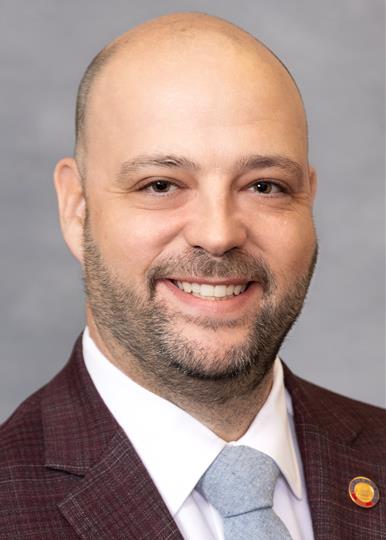
Nasif Majeed
100% support rate
Top opponent
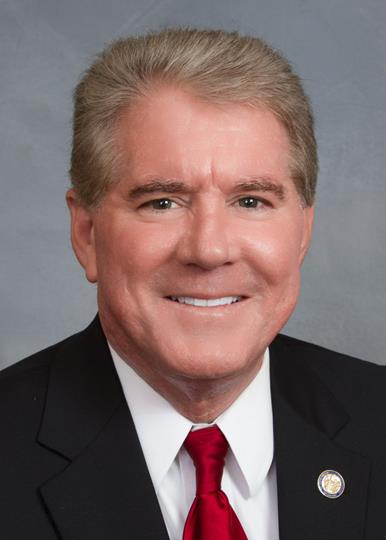
Lindsey Prather
17% support rate
Ranked legislators
10
5 support · 5 oppose
Key legislators

Who's moving housing in North Carolina

Legislators moving housing in North Carolina
Legislator Party Stance Support rate Votes
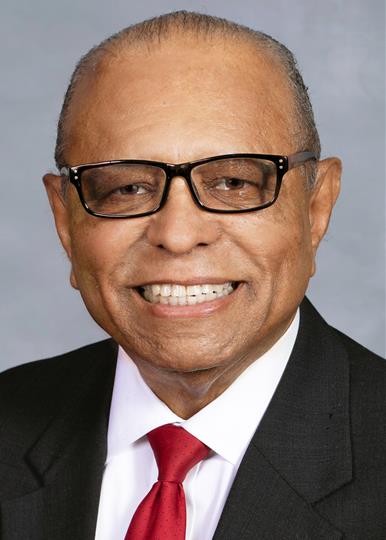
Nasif Majeed
Nasif Majeed House · District 99
I
Strong +
100% 22
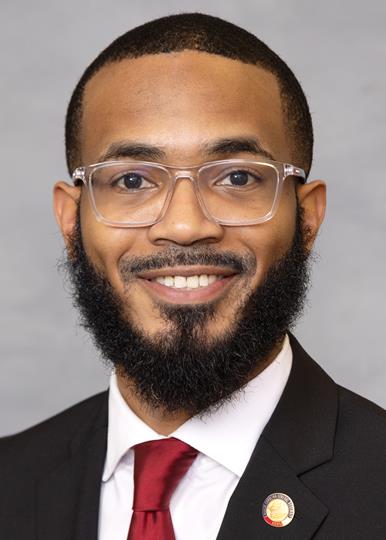
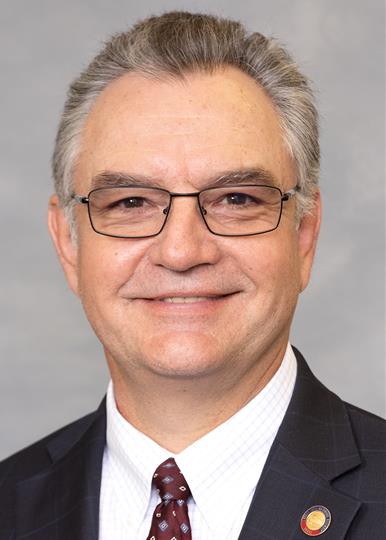
Jordan Lopez
Jordan Lopez House · District 112
D
Support
71% 28
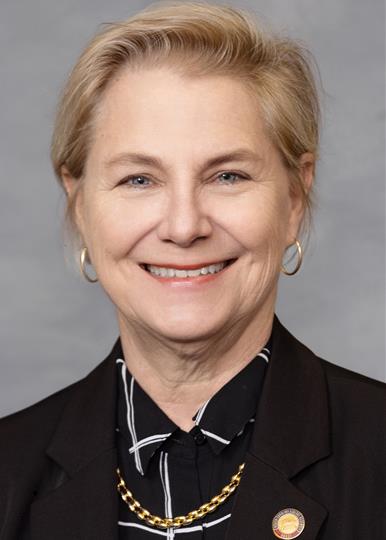
Deb Butler
Deb Butler House · District 18
D
Support
71% 28
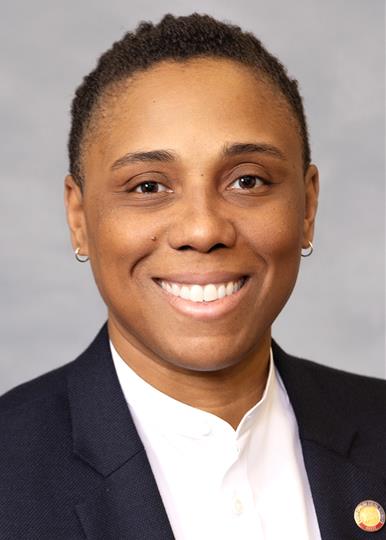
Kanika Brown
Kanika Brown House · District 71
D
Support
71% 28
Vernetta Alston
Vernetta Alston House · District 29
D
Support
67% 26
Lindsey Prather
Lindsey Prather House · District 115
D
Strong −
17% 24
Bryan Cohn
Bryan Cohn House · District 32
D
Oppose
29% 26
Wyatt Gable
Wyatt Gable House · District 14
R
Oppose
29% 28
Stephen Ross
Stephen Ross House · District 63
R
Oppose
29% 23
Karl Gillespie
Karl Gillespie House · District 120
R
Oppose
29% 28
Showing 81–90 of 146 bills

All housing bills

in committee · North Carolina · Senate Mar 26, 2025

SB 492: Single Stair Bldg. Code Reform.

SB 492 allows single-exit stairways in certain multifamily residential buildings (5-32 units, under 75 feet tall, on one lot) that meet strict fire safety standards. It applies to qualifying "Group R-2" buildings, requiring either 2-hour fire-rated construction with sprinklers (mid-rise) or 1-hour fire-rated construction/sprinklers (low-rise), plus specific egress requirements like 20-foot travel distance to the stairway and pressurized stairwells. The bill temporarily permits this change until the Building Code Council adopts permanent rules, which must align with these provisions. It directly affects developers and builders constructing qualifying mid-rise or low-rise apartment buildings in North Carolina. The law does not apply to three- or four-family homes or buildings exceeding the specified height or unit limits.
Sub-Topics Building Codes
in committee · North Carolina · House Feb 26, 2025

HB 204: Restore Down-Zoning Authority/Cabarrus County.

HB 204 restores local government authority to initiate down-zoning in Cabarrus County and its municipalities by removing the requirement for all affected property owners' written consent. The bill amends state law to allow county or municipal governments to change zoning (e.g., reducing density or permitted building types) without unanimous owner approval, as long as the change is government-initiated. This directly affects property owners in Cabarrus County whose land may be subject to zoning changes that limit development potential. The law applies retroactively to December 11, 2024, meaning existing down-zoning actions taken after that date under the previous rule would be invalid.
in committee · North Carolina · Senate Feb 25, 2025

SB 137: Restore Down-Zoning/Farmland Preservation.

SB 137 requires written consent from all property owners for any zoning change that reduces development density or permitted land uses (down-zoning), except when local governments initiate down-zoning specifically for farmland preservation. It directly affects property owners in Henderson County and specific towns within the county (Fletcher, Mills River, Flat Rock, Laurel Park, and Saluda) by giving them veto power over most down-zoning proposals. The key mechanism is the consent requirement, with the exception allowing local governments to protect farmland without owner approval. This bill applies retroactively to January 31, 2025, and modifies existing zoning law to prioritize property owner consent in zoning decisions.
in committee · North Carolina · Senate Mar 25, 2025

SB 419: Restore Down-Zoning Authority.

SB 419 restores local governments' authority to down-zone (reduce density) in their communities by repealing a previous restriction (Section 3K.1 of S.L. 2024-57). This directly affects cities and counties, allowing them to adopt zoning changes that limit building density or height, such as converting high-density zones to lower-density uses. The bill applies retroactively to December 11, 2024, meaning any zoning ordinances affected by the repealed law are treated as valid from that date. It does not create new zoning rules but returns discretion to local governments that was previously restricted.
Sub-Topics Zoning Tags Local Government
died · North Carolina · Senate Mar 26, 2025

SB 583: Lead. Invest. Families/Foster Teen Act (LIFT).

SB 583, the Lead. Invest. Families/Foster Teen Act (LIFT), creates a program providing $1,000 monthly cash payments to four specific groups: homeless high school seniors (grade 12), expectant or new mothers with children under 18 months, natural disaster survivors qualifying for FEMA aid, and young adults exiting foster care (aged 16-27). Payments begin April 1, 2026, and continue until April 1, 2035, with disaster survivors receiving payments for 12 months post-disaster. The program is funded through a new LIFT Fund established within the Department of Health and Human Services, which receives state appropriations and other designated funds, and payments are exempt from state income tax and do not affect eligibility for other public benefits. The bill also modifies the corporate income tax rate to offset program costs, aligning the effective tax rate for corporations more closely with individual taxpayers.
in committee · North Carolina · Senate Feb 12, 2025

SB 71: Expedited Removal of Unauthorized Persons.

SB 71 creates a new process for North Carolina property owners or their authorized representatives to expedite the removal of unauthorized occupants from residential properties. To use this process, the property owner must file a sworn affidavit (with a $25 fee) with a court clerk or magistrate, confirming the occupant meets strict criteria like having no lease, no rent paid, and the owner having previously requested their departure. Law enforcement must remove the occupant within 24 hours of receiving the affidavit, and the bill grants immunity to law enforcement and property owners acting in good faith. It also allows civil lawsuits against property owners for wrongful removal, with potential damages including triple the fair market rent.
Sub-Topics Landlords Renters
in committee · North Carolina · House Feb 24, 2025

HB 170: Restore Down-Zoning/Union County.

HB 170 restores local government authority to initiate down-zoning in Union County and its municipalities without requiring written consent from all affected property owners. The bill specifically targets zoning changes that reduce development density or limit permitted land uses (e.g., making areas less dense or restricting building types). It applies only to Union County and its municipalities, with retroactive effect to December 11, 2024, meaning existing down-zoning actions since that date are treated as if they followed the pre-2024-57 rules. This changes the current requirement (from S.L. 2024-57) that mandated owner consent for all down-zoning amendments.
in committee · North Carolina · House Feb 27, 2025

HB 209: Employee Housing/Durham County.

HB 209 authorizes Durham Public Schools and Durham County to create affordable rental housing for teachers, police officers, first responders, and other Durham County employees. The bill allows these entities to partner using their existing land to build housing, with at least 75% of units reserved specifically for Durham Public Schools teachers. Rent will be set at reasonable, below-market rates, and all housing must comply with standard building and safety codes. The bill is currently pending in committee and does not change existing zoning or safety regulations for the housing units.
in committee · North Carolina · Senate Feb 25, 2025

SB 135: Expand Homestead Exclusion Inc. Elig. Limit.

This bill increases North Carolina's income limit for the property tax homestead exclusion for elderly or disabled homeowners from $25,000 to $48,000, effective for taxes due in 2025. It applies to qualifying homeowners whose income would otherwise disqualify them from the exclusion. The new limit will automatically adjust annually based on Social Security cost-of-living adjustments, rounded to the nearest $100. This change directly affects low-to-moderate-income elderly or disabled homeowners seeking property tax relief.
died · North Carolina · Senate Feb 24, 2025

SB 134: Inclusionary Zoning/Workforce Housing Funds.

SB 134 allows North Carolina local governments to require new residential developments to include affordable housing units through inclusionary zoning policies. It directly affects local zoning authorities, developers building new housing, and low-to-moderate income residents who would benefit from increased affordable housing options. The bill also appropriates $10 million in recurring funds to the North Carolina Housing Finance Agency for its Workforce Housing Loan Program starting in 2025. These provisions aim to supplement affordable housing availability by giving local governments tools to mandate inclusionary requirements and providing dedicated funding for housing loans. The bill takes effect on July 1, 2025.
Showing 81 to 90 of 146 bills
Previous 1 8 9 10 15 Next