Issue · Housing

Housing

Every housing bill, vote, and legislator stance in North Carolina, automatically classified by Maddy, our AI policy reader.

Total bills
146
2025-2026 Session
Top supporter
Nasif Majeed
100% support rate
Top opponent
Lindsey Prather
17% support rate
Ranked legislators
10
5 support · 5 oppose
Key legislators

Who's moving housing in North Carolina

Legislators moving housing in North Carolina
Legislator Party Stance Support rate Votes
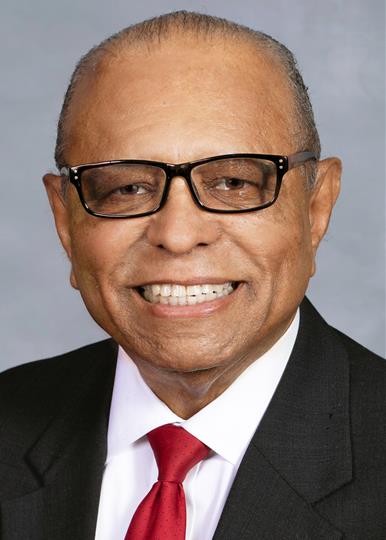
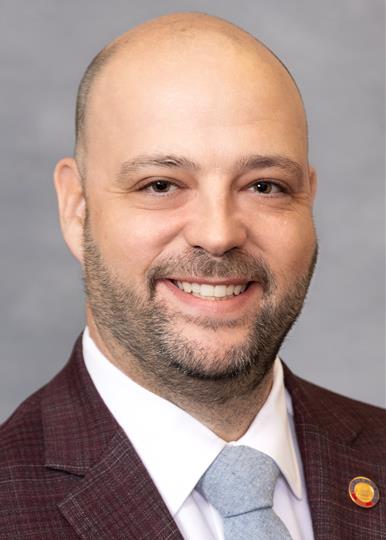
Nasif Majeed
Nasif Majeed House · District 99
I
Strong +
100% 22
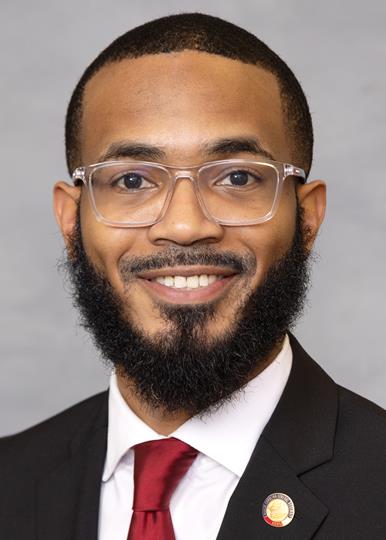
Jordan Lopez
Jordan Lopez House · District 112
D
Support
71% 28
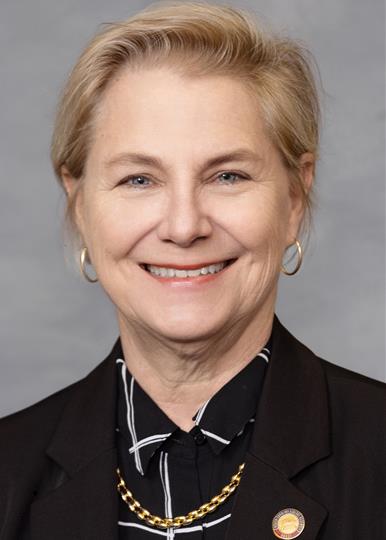
Deb Butler
Deb Butler House · District 18
D
Support
71% 28
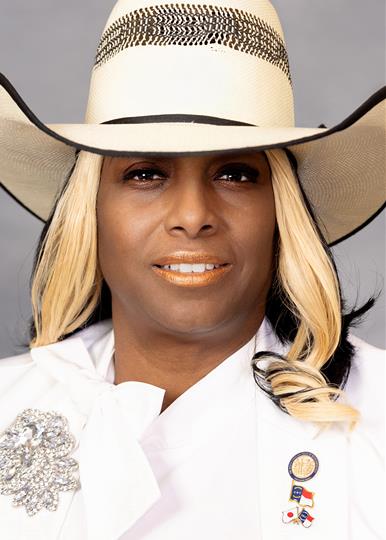
Kanika Brown
Kanika Brown House · District 71
D
Support
71% 28
Vernetta Alston
Vernetta Alston House · District 29
D
Support
67% 26
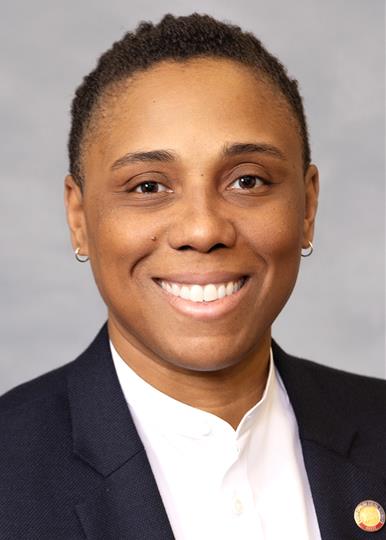
Lindsey Prather
Lindsey Prather House · District 115
D
Strong −
17% 24
Bryan Cohn
Bryan Cohn House · District 32
D
Oppose
29% 26
Wyatt Gable
Wyatt Gable House · District 14
R
Oppose
29% 28
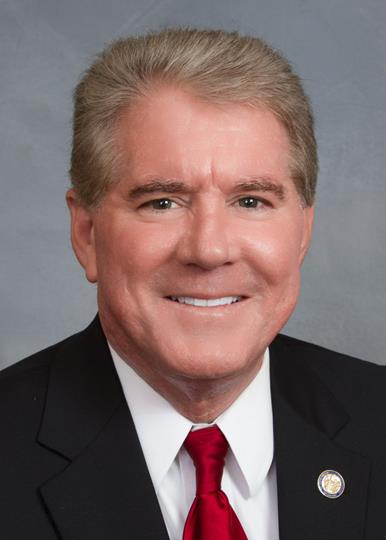
Stephen Ross
Stephen Ross House · District 63
R
Oppose
29% 23
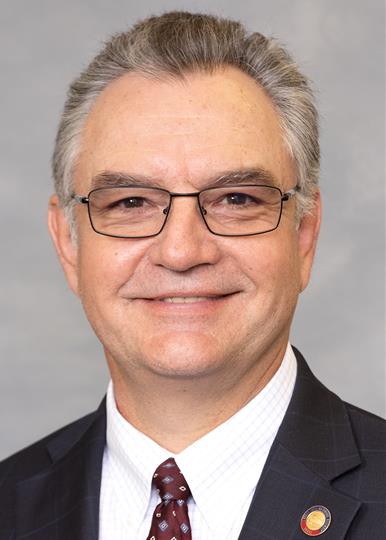
Karl Gillespie
Karl Gillespie House · District 120
R
Oppose
29% 28
Showing 71–80 of 146 bills

All housing bills

signed · North Carolina · House Jun 30, 2025

HB 173: Various Local Provisions III.

HB 173 freezes Wake County municipalities' ability to expand extraterritorial jurisdiction (ETJ) beyond their 2025 boundaries until 2028, directly affecting local governments in Wake County. It removes one specific property parcel (tax ID 966773980500000) from Asheville's city limits, effective June 2025, while preserving existing tax liens. The bill also revises rules for commercial development moratoria, requiring four hearings (two in-person in affected areas) and detailed justifications for any 60-day moratorium, which cannot be renewed. These changes apply to all North Carolina municipalities adopting commercial development moratoria after the bill's effective date.
in committee · North Carolina · Senate Mar 26, 2025

SB 688: Local Government Land Use Reform.

SB 688 amends North Carolina's local government planning and development laws, directly affecting cities and counties by limiting their zoning authority. It prohibits local governments from regulating specific building design elements (like exterior colors, roof styles, or window placement) except in historic districts or for safety code compliance. The bill also bans minimum building size requirements for residential properties, overly large parking space standards (beyond ADA requirements), and unnecessary road design rules. All changes take effect January 1, 2026, making inconsistent local ordinances void.
Sub-Topics Land Use Property Development Zoning Tags Local Government
in committee · North Carolina · Senate Mar 3, 2025

SB 212: Restore Down-Zoning Auth./Granville and Wake.

SB 212 restores local government authority to initiate down-zoning in Granville and Wake Counties without requiring written consent from affected property owners. Down-zoning refers to changes that reduce development density or limit permitted land uses (e.g., from commercial to residential). The bill specifically applies to properties within these two counties and their municipalities, reversing a prior requirement that down-zoning amendments needed owner consent. It takes effect immediately upon enactment but applies retroactively to December 11, 2024, to restore pre-existing zoning ordinances affected by a previous law. This policy change directly impacts property owners in Granville and Wake Counties by altering how local governments can modify zoning regulations.
Sub-Topics Property Development Property Taxes Zoning Tags Local Government
in committee · North Carolina · House Mar 4, 2025

HB 263: Down-Zoning/Person and Durham Counties.

HB 263 restores local government authority to change zoning to less dense or fewer permitted uses (down-zoning) in Durham and Person Counties and the Cities of Durham and Roxboro, without requiring written consent from all affected property owners. The bill rewrites state law to allow counties or cities to initiate down-zoning amendments directly, reversing a previous requirement (from S.L. 2024-57) that mandated owner consent. This change applies retroactively to December 11, 2024, meaning zoning ordinances affected by the prior law will revert to their pre-December 11 status. The bill directly affects local governments’ zoning powers and property owners in the specified jurisdictions, without altering other zoning processes.
Sub-Topics Zoning
in committee · North Carolina · House Mar 26, 2025

HB 503: Don't Tread on Me Act.

HB 503, the "Don't Tread on Me Act," proposes new protections for North Carolinians by restricting government overreach in privacy, healthcare, education, and employment. It prohibits state agencies from conducting warrantless surveillance, demanding private medical or political information for services, denying reproductive care based on ideology, interfering with parental decisions without due process, or censoring fact-based education. The bill also bans discrimination in employment, housing, or public services based on private beliefs, medical history, or lawful conduct. Currently in early legislative stages (filed March 24, passed 1st reading March 26), it would take effect if enacted.
Sub-Topics Civil Rights Tags Civil Liberties
died · North Carolina · House Jun 25, 2025

HB 59: Modify Homestead Exclusions.

HB 59 would increase the income eligibility limit for North Carolina's elderly or disabled property tax homestead exclusion from $25,000 to $48,000 for taxable years beginning July 1, 2026. This change would directly affect homeowners aged 65 or older, or those who are totally and permanently disabled, who meet other criteria (like being a North Carolina resident and owning their home as a permanent residence). The bill modifies the existing rule that currently limits eligibility to those with incomes under $25,000, raising the threshold to $48,000 while maintaining the exclusion amount as the greater of $25,000 or 50% of the home's appraised value. The change aims to expand access to this property tax relief for qualifying low-to-moderate income homeowners. (Note: The bill was withdrawn in June 2025 and has not become law.)
passed · North Carolina · House May 7, 2025

HB 94: Disabled Veteran Homestead Exclusion Prequalification.

HB 94 allows disabled veterans and their unremarried surviving spouses to prequalify for the disabled veteran property tax homestead exclusion. This means individuals can apply to determine their eligibility for the tax benefit before they purchase a permanent residence. Applicants submit a prequalification form with their disability certification, and the county assessor must notify them of their eligibility within 30 days. The bill aims to help taxpayers and lenders account for this tax relief when making home purchase decisions. After prequalification, a separate application for the exclusion is still required once a permanent residence is acquired.
died · North Carolina · House Feb 3, 2025

HB 25: Restore Down-Zoning Authority/Stanly and Catawba.

HB 25 restores local governments' authority to initiate down-zoning in Stanly and Catawba Counties without requiring written consent from all affected property owners. The bill amends state law to remove the current requirement that down-zoning (reducing development density or permitted land uses) needs all property owners' written consent, allowing counties or municipalities to proceed with such changes directly. This applies specifically to Stanly and Catawba Counties and their municipalities, with retroactive effect to December 11, 2024. The change affects how local governments can adjust zoning maps to limit development intensity or land uses on specific properties.
in committee · North Carolina · House Apr 3, 2025

HB 739: Wilson and Nash Counties/Funds.

HB 739 allocates $61.3 million in nonrecurring state funds for specific projects in Wilson and Nash counties, primarily benefiting Wilson County entities and two towns. The bill directs funds for water infrastructure in Lucama, sewer projects in Stantonsburg, volunteer fire departments, school construction, a new courthouse, sheriff's training, Narcan in schools/libraries, housing authority projects, a transit program, and a new police building in Sharpsburg. It becomes effective July 1, 2025, with all funding designated for immediate, concrete local needs without new policy requirements.
introduced · North Carolina · Senate Jan 29, 2025

SB 11: Restore Down-Zoning Auth./Multiple Counties.

SB 11 restores local governments' authority to initiate down-zoning in ten specific North Carolina counties (Bertie, Camden, Currituck, Dare, Gates, Hertford, Northampton, Pasquotank, Perquimans, and Tyrrell) without requiring written consent from all affected property owners. The bill reverses a previous law that mandated such consent for down-zoning, which reduces development density or limits permitted land uses. It applies retroactively to December 11, 2024, making existing down-zoning ordinances effective as they were before that date. This change directly affects property owners and developers in those counties by altering how local zoning changes can be implemented.
Showing 71 to 80 of 146 bills
Previous 1 7 8 9 15 Next