Issue · Housing

Housing

Every housing bill, vote, and legislator stance in North Carolina, automatically classified by Maddy, our AI policy reader.

Total bills
146
2025-2026 Session
Top supporter
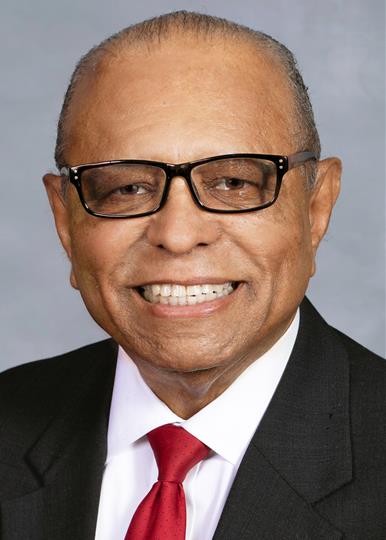
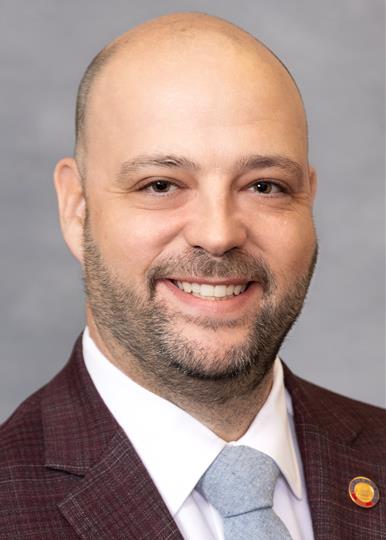
Nasif Majeed
100% support rate
Top opponent
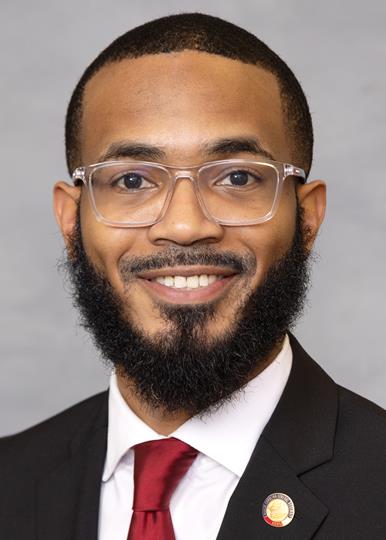
Lindsey Prather
17% support rate
Ranked legislators
10
5 support · 5 oppose
Key legislators

Who's moving housing in North Carolina

Legislators moving housing in North Carolina
Legislator Party Stance Support rate Votes
Nasif Majeed
Nasif Majeed House · District 99
I
Strong +
100% 22
Jordan Lopez
Jordan Lopez House · District 112
D
Support
71% 28
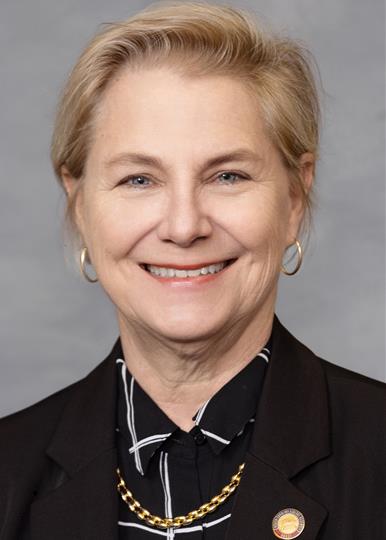
Deb Butler
Deb Butler House · District 18
D
Support
71% 28
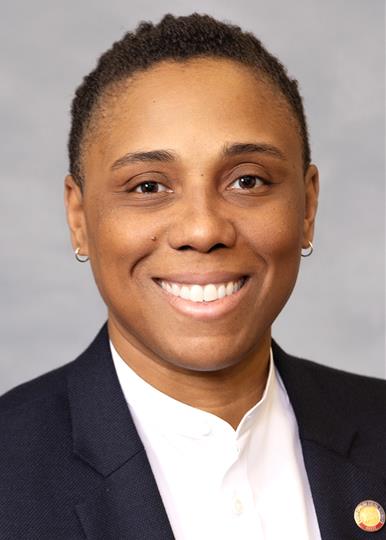
Kanika Brown
Kanika Brown House · District 71
D
Support
71% 28
Vernetta Alston
Vernetta Alston House · District 29
D
Support
67% 26
Lindsey Prather
Lindsey Prather House · District 115
D
Strong −
17% 24
Bryan Cohn
Bryan Cohn House · District 32
D
Oppose
29% 26
Wyatt Gable
Wyatt Gable House · District 14
R
Oppose
29% 28
Stephen Ross
Stephen Ross House · District 63
R
Oppose
29% 23
Karl Gillespie
Karl Gillespie House · District 120
R
Oppose
29% 28
Showing 61–70 of 146 bills

All housing bills

in committee · North Carolina · Senate Feb 25, 2025

SB 136: Restore Down-Zoning Auth./Rutherford Co.

SB 136 restores Rutherford County and its municipalities' authority to initiate down-zoning without requiring written consent from all affected property owners. Down-zoning refers to changes that reduce development density (like limiting building height or lot coverage) or restrict permitted land uses (such as banning certain businesses). This bill reverses a prior law (S.L. 2024-57) that had required property owner consent for such changes, returning the process to the pre-December 11, 2024, standard. It directly affects property owners in Rutherford County by changing who controls zoning amendments that reduce land use potential. The bill applies only to Rutherford County and its municipalities and takes effect retroactively to December 11, 2024.
in committee · North Carolina · Senate Mar 3, 2025

SB 211: Reenact the Earned Income Tax Credit.

SB 211 reenacts North Carolina's state Earned Income Tax Credit (EITC), providing a cash refund to low-to-moderate income workers. It allows eligible residents to claim a credit equal to 5% of the federal EITC amount they qualify for, which is refundable (meaning they receive a cash payment even if they owe no state tax). The credit applies to taxable years beginning on or after January 1, 2025, and directly benefits working individuals and families with low earnings. The bill reinstates a previously sunsetted provision, ensuring continued state-level support aligned with the federal EITC.
Sub-Topics Income Tax Tax Credits
in committee · North Carolina · Senate Feb 21, 2025

SB 116: Restore Down-Zoning Auth./Pitt Co.

SB 116 restores local government authority to initiate down-zoning in Pitt County and its municipalities. It amends zoning law to allow county or city governments to propose down-zoning changes without requiring written consent from all affected property owners (previously required under S.L. 2024-57). The bill defines "down-zoning" as reducing development density, limiting permitted land uses, or creating nonconformities. This change applies only to Pitt County and takes effect retroactively to December 11, 2024.
in committee · North Carolina · Senate Feb 27, 2025

SB 185: Restore Down-Zoning/Forsyth Co.

SB 185 restores Forsyth County and its municipalities' authority to initiate "down-zoning" without requiring written consent from all affected property owners. Down-zoning refers to changing land use rules to allow less dense development, fewer permitted uses, or create nonconforming properties. The bill reverses a prior law (S.L. 2024-57) that mandated owner consent for such changes, allowing local governments to implement these zoning adjustments directly. This applies retroactively to December 11, 2024, for any affected ordinances.
in committee · North Carolina · Senate Jan 30, 2025

SB 27: Restore Down-Zoning Auth./Multiple Counties.

SB 27 restores local governments' authority to down-zone (reduce development density or limit land uses) in ten specific coastal counties without requiring written consent from all affected property owners. It directly affects property owners in Bertie, Camden, Currituck, Dare, Gates, Hertford, Northampton, Pasquotank, Perquimans, and Tyrrell counties. The bill changes the law so that counties can initiate down-zoning amendments without owner consent, reversing a prior requirement. This change applies retroactively to December 11, 2024, affecting ordinances adopted after that date.
in committee · North Carolina · House Mar 10, 2025

HB 317: Restore Down-Zoning Authority/City of High Point.

HB 317 restores the City of High Point's authority to initiate down-zoning without requiring written consent from all affected property owners. It reverses a prior law (S.L. 2024-57) that mandated such consent for down-zoning actions. The bill applies exclusively to High Point and takes effect retroactively to December 11, 2024, meaning any down-zoning ordinances adopted after that date will operate under the restored authority. Down-zoning refers to reducing permitted density, limiting land uses, or creating nonconforming conditions on properties.
Sub-Topics Zoning
in committee · North Carolina · House Mar 10, 2025

HB 323: Down-Zoning/Cornelius/Davidson/Huntersville.

HB 323 modifies zoning rules for Cornelius, Davidson, and Huntersville by requiring written consent from all property owners affected by down-zoning changes, unless the local government initiates the change. Down-zoning is defined as reducing land development density, limiting permitted uses, or creating nonconformities (e.g., nonconforming structures). The law applies exclusively to these three towns and takes effect upon enactment, with retroactive application to December 11, 2024. This policy change directly affects property owners in these municipalities by giving them a veto over zoning shifts that reduce their land's development potential.
in committee · North Carolina · House Apr 7, 2025

HB 786: Working Families Act.

HB 786, the "Working Families Act," reduces child care costs for low-income families by lowering parent copayments from 10% to 7% of income (effective 2025), reinstates a refundable state child tax credit with income-based payments (effective 2025), and phases up North Carolina’s minimum wage to $15/hour by 2030 with annual inflation adjustments. It also increases income limits for property tax relief, creates a homebuyers’ assistance program for public servants (like firefighters and EMTs) as first-time buyers, and establishes a paid family leave insurance program funded through an employer grant program. The bill directly affects working families, hourly workers, public-sector employees, and households using subsidized child care or property tax relief. Key mechanisms include phased wage increases, income-tiered tax credits, and targeted housing support, all designed to reduce financial strain on low-to-moderate-income households.
in committee · North Carolina · House Feb 27, 2025

HB 225: Restore Down-Zoning/Wake Forest and Rolesville.

HB 225 restores local government authority to initiate down-zoning in Wake Forest and Rolesville without requiring written consent from all affected property owners. It reverses a 2024 law that had mandated such consent, allowing towns to adjust zoning to reduce development density or limit permitted land uses (like changing from mixed-use to single-family zones) without owner approval. The bill applies only to these two towns and takes effect retroactively to December 11, 2024, making any down-zoning ordinances adopted after that date valid as if the prior consent rule never existed. This change directly affects property owners in these towns whose land might be rezoned to less dense or restricted uses.
in committee · North Carolina · Senate Feb 25, 2025

SB 138: Restore Down-Zoning Auth./Mecklenburg Co.

SB 138 restores local government authority to initiate down-zoning in Mecklenburg County and its municipalities without requiring written consent from all affected property owners. The bill amends state law to remove a prior requirement that down-zoning (reducing development density or permitted land uses) needed all property owner agreements, allowing counties or cities to implement such changes directly. It applies specifically to Mecklenburg County and its municipalities, taking effect retroactively to December 11, 2024, to revert affected ordinances to their pre-December 11 state. This change directly affects property owners in the region by altering how local governments can modify zoning regulations impacting their land.
Showing 61 to 70 of 146 bills
Previous 1 6 7 8 15 Next