Issue · Criminal Justice

Criminal Justice

Every criminal justice bill, vote, and legislator stance in North Carolina, automatically classified by Maddy, our AI policy reader.

Total bills
214
2025-2026 Session
Top supporter
Becky Carney
100% support rate
Top opponent
Jimmy Dixon
0% support rate
Ranked legislators
10
5 support · 5 oppose
Key legislators

Who's moving criminal justice in North Carolina

Legislators moving criminal justice in North Carolina
Legislator Party Stance Support rate Votes
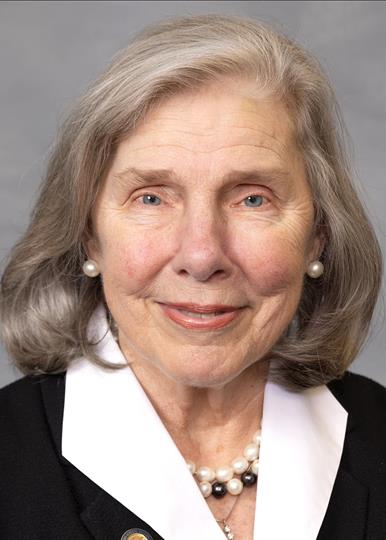
Becky Carney
Becky Carney House · District 102
D
Strong +
100% 42
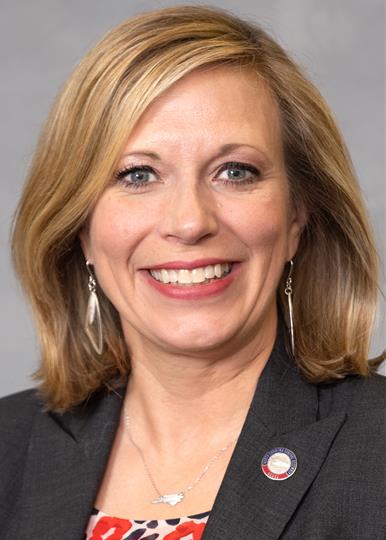
Sarah Crawford
Sarah Crawford House · District 66
D
Strong +
100% 42
Deb Butler
Deb Butler House · District 18
D
Strong +
100% 37
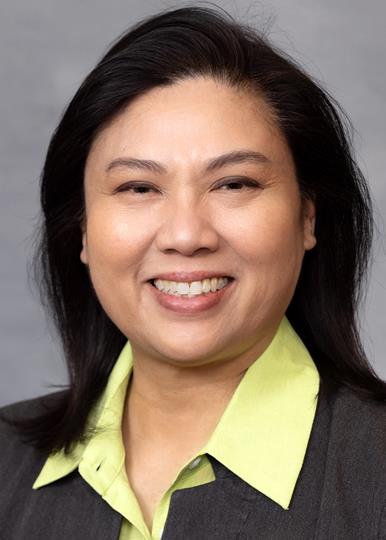
Maria Cervania
Maria Cervania House · District 41
D
Strong +
100% 42
Allison Dahle
Allison Dahle House · District 11
D
Strong +
100% 41
Jimmy Dixon
Jimmy Dixon House · District 4
R
Strong −
0% 39
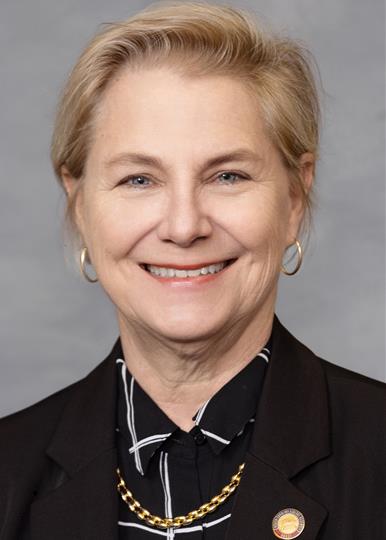
Celeste Cairns
Celeste Cairns House · District 13
R
Strong −
0% 40
John Lowery
John Lowery House · District 47
R
Strong −
0% 28
Tim Reeder
Tim Reeder House · District 9
R
Strong −
0% 41
Donny Lambeth
Donny Lambeth House · District 75
R
Strong −
0% 40
Showing 151–160 of 214 bills

All criminal justice bills

in committee · North Carolina · House Mar 12, 2025

HB 367: Provide Rape Kit Status Updates to Victims.

HB 367 requires North Carolina's State Crime Laboratory to provide sexual assault victims with updates on the status of their examination kits. Victims will be notified if their kit cannot be tested, if testing is declined for reasons other than untestability, or if the kit is scheduled for destruction. The law mandates that the lab develop procedures for these notifications but specifies victims must provide and maintain current contact information. This law takes effect October 1, 2025, applying to all kits submitted before, on, or after that date.
passed · North Carolina · House Mar 17, 2025

HB 182: Revise Law Permanent Protective Order/Child Abuse.

HB 182 creates two key policy changes: First, it allows judges to issue lifetime no-contact orders against defendants convicted of certain violent offenses (including sex offenses requiring registration), requiring a show-cause hearing to determine if the victim fears future contact. Second, it clarifies that caregivers of children under 16 who commit or allow sexual acts with the child face Class D felony charges, specifically expanding penalties for permitting such abuse. The law directly affects victims of violent crimes (through the no-contact protections) and caregivers of children under 16 (through updated felony charges for sexual abuse). These provisions apply to offenses committed on or after December 1, 2025.
Sub-Topics Domestic Violence
in committee · North Carolina · House Mar 20, 2025

HB 452: Revise Law/Obstruction of Health Facility.

HB 452 makes it a crime to obstruct access to or threaten people at healthcare facilities in North Carolina. It prohibits blocking entrances, delaying care, or threatening patients, staff, or those helping others access services. The bill also restricts protests within 8 feet of people near facility entrances (unless consented to) and increases penalties: first offenses are misdemeanors, repeat offenses within three years become more serious misdemeanors, and third offenses escalate to felonies. This law directly affects individuals engaging in protests or obstruction near healthcare facilities, healthcare providers, and patients seeking care. It takes effect December 1, 2025.
in committee · North Carolina · House Mar 20, 2025

HB 446: Prohibition on Disclosing Booking Photographs.

HB 446 prevents law enforcement from sharing booking photographs (taken during initial arrest) with websites or publications that require payment to remove the photos. It requires those "pay-to-remove" sites to delete such photos within seven business days if the person was not convicted (and provides proof of dismissal, acquittal, or expungement). Sites that fail to comply face civil penalties, including $100 per day for each day the photo remains visible. This directly affects individuals arrested but not convicted and "pay-to-remove" online platforms.
Sub-Topics Law Enforcement
in committee · North Carolina · Senate Mar 20, 2025

SB 353: The Second Chance Coding Act.

SB 353, the Second Chance Coding Act, requires North Carolina's Division of Juvenile Justice to create a program teaching coding and computer skills to juveniles in youth development centers. The program must include specialized courses, industry certification opportunities, and workforce connections like mentorship and job placement to help these youth transition into careers after release. Implemented by January 1, 2026, with $250,000 in funding for 2025-2026, the bill aims to reduce recidivism by improving job prospects. It directly affects youth committed to juvenile facilities, focusing on concrete skill-building rather than speculative outcomes.
in committee · North Carolina · Senate Mar 20, 2025

SB 350: Marijuana Justice and Reinvestment Act.

SB 350, the Marijuana Justice and Reinvestment Act, would legalize recreational cannabis for adults 21 and older in North Carolina, allowing possession of up to 2 ounces of cannabis, 15 grams of concentrate, or products containing no more than 2,000mg THC. It establishes a regulatory framework requiring licenses for cultivation, manufacturing, and retail sales, with mandatory lab testing, potency labeling, and restrictions on advertising. The bill directly affects North Carolina residents over 21, cannabis businesses, and communities disproportionately impacted by past cannabis prohibition - addressing the ACLU finding that Black individuals were 3.6 times more likely to be arrested for possession than white individuals despite similar usage rates. Key provisions include creating three funds to reinvest tax revenue into affected communities for substance abuse treatment, education, and business support, while requiring licensed businesses to prioritize diversity, fair wages, and community investment.
Sub-Topics Revenue Drug Policy
passed · North Carolina · House Mar 20, 2025

HB 95: Threaten Elected Official/Increase Punishment.

HB 95 increases penalties for threats against certain elected and public officials in North Carolina, making such threats a Class I felony. It directly affects individuals who make threats against legislative, executive, court, local elected, or election officials, requiring a $50,000 secured appearance bond for anyone charged with these offenses. The bill amends existing statutes to clarify that threats need not be received or believed by the targeted official, and it specifically covers threats made in retaliation for an official's duties. The law applies to offenses committed on or after December 1, 2025.
Sub-Topics Courts
in committee · North Carolina · Senate Mar 25, 2025

SB 421: Prison Reform Omnibus.

SB 421, the "Fair and Rehabilitative Prison Labor Act," replaces outdated North Carolina prison labor laws to ensure incarcerated individuals receive fair pay, vocational training, and protections. It requires prison labor programs to pay at least $5 per hour (or state minimum wage for PIECP-certified programs), prioritize job skills for post-release employment, and prohibit using prison labor to displace migrant or seasonal agricultural workers. The bill mandates annual transparency reports on wages, hours worked, and job impacts in agriculture, and requires labor market assessments before agricultural contracts. These changes directly affect incarcerated people in North Carolina prisons, prison labor programs, and agricultural businesses that contract prison labor.
Sub-Topics Corrections
passed · North Carolina · House Mar 26, 2025

HB 330: Controlled Substances Act - Updates.

HB 330 updates North Carolina's Controlled Substances Act by adding specific synthetic drugs and chemical structures to Schedule I, making them illegal without exception. It directly affects law enforcement, healthcare providers, and individuals using these substances, as it automatically controls new variants of fentanyl derivatives (like 4-fluorofentanyl), nitazenes, synthetic cannabinoids (including indole carboxamides), and other novel psychoactive substances based on their chemical structure - not just named compounds. Key mechanisms include defining "structurally derived" compounds (e.g., fentanyl modifications) and listing specific examples to close loopholes where manufacturers alter molecules slightly to evade existing laws. This policy change aims to address emerging drug threats by expanding the legal definition of controlled substances.
Sub-Topics Drug Policy
in committee · North Carolina · Senate Mar 26, 2025

SB 564: Public Safety Through Food Access Act.

SB 564, the "Public Safety Through Food Access Act," allows North Carolina to opt out of a federal ban that denies food assistance and Temporary Assistance for Needy Families (TANF) benefits to people convicted of drug-related felony offenses. It directly affects individuals convicted of Class H or I drug felonies who meet specific conditions: they must complete six months without new offenses and successfully finish or actively participate in a substance abuse treatment program approved by mental health authorities. The bill requires county social services to link food and TANF benefits to this treatment requirement, as permitted by federal law. The policy change takes effect January 1, 2026.
Sub-Topics Drug Policy
Showing 151 to 160 of 214 bills
Previous 1 15 16 17 22 Next