

Issue · Budget & Taxes
Budget & Taxes
Every budget & taxes bill, vote, and legislator stance in North Carolina, automatically classified by Maddy, our AI policy reader.
Total bills
687
2025-2026 Session
Top supporter
Donna White
100% support rate
Top opponent
Amanda Cook
0% support rate
Ranked legislators
10
5 support · 5 oppose
Key legislators
Who's moving budget & taxes in North Carolina
| Legislator | Party | Stance | Support rate | Decisive votes |
|---|---|---|---|---|
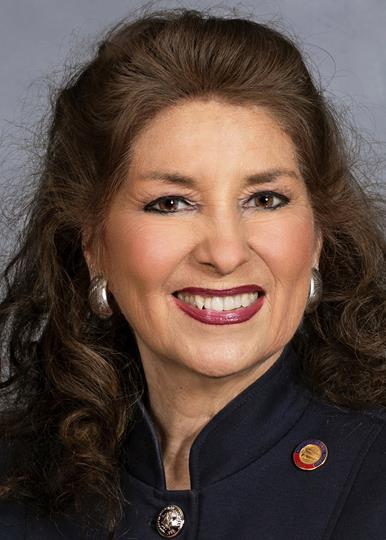
Donna White
House · District 26
|
R |
Strong +
|
100% | 13 |
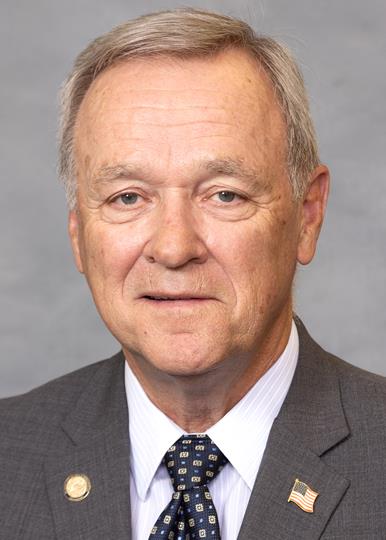
Ed Goodwin
House · District 1
|
R |
Strong +
|
100% | 13 |

Howard Penny
House · District 53
|
R |
Strong +
|
100% | 13 |
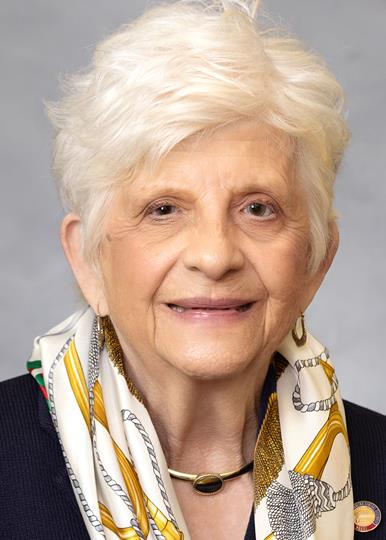
Julia Howard
House · District 77
|
R |
Strong +
|
100% | 13 |
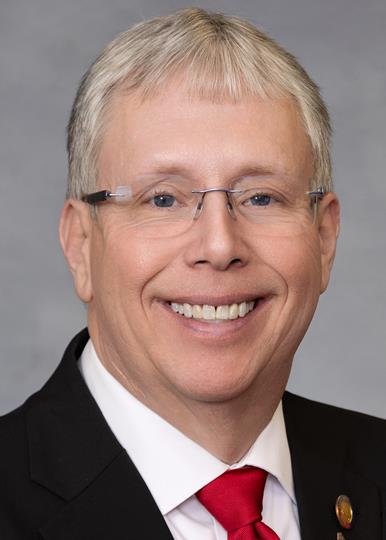
Mitchell Setzer
House · District 89
|
R |
Strong +
|
100% | 13 |
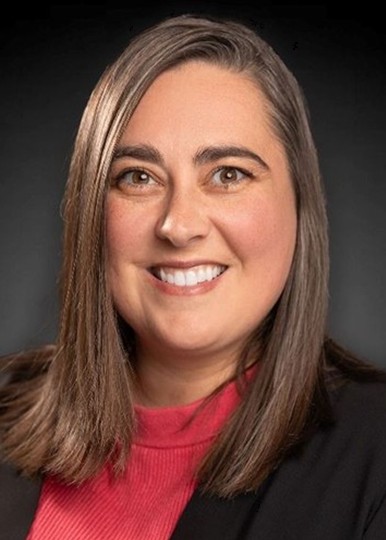
Amanda Cook
House · District 60
|
D |
Strong −
|
0% | 8 |
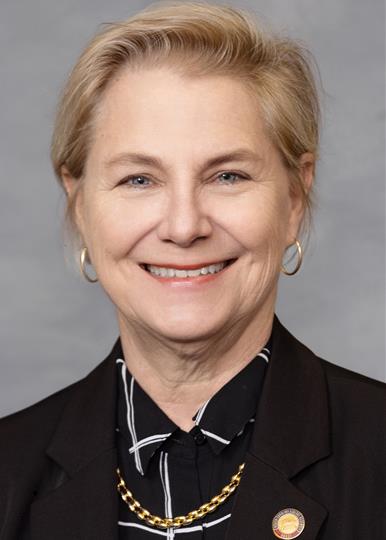
Deb Butler
House · District 18
|
D |
Strong −
|
8% | 13 |
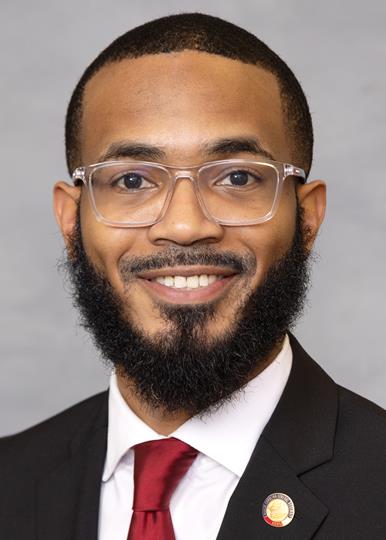
Jordan Lopez
House · District 112
|
D |
Strong −
|
8% | 13 |
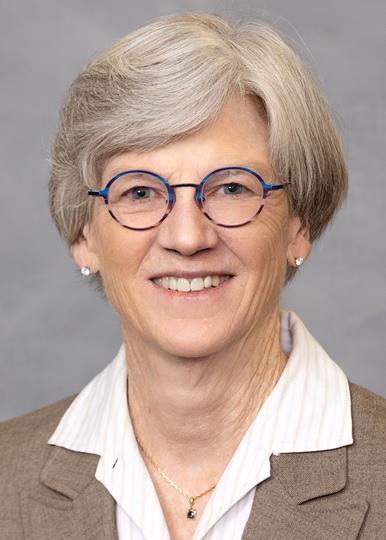
Marcia Morey
House · District 30
|
D |
Strong −
|
8% | 13 |
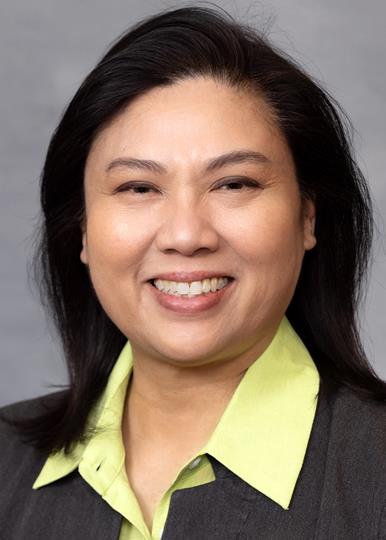
Maria Cervania
House · District 41
|
D |
Strong −
|
8% | 13 |
Showing 141–150 of 687
bills
All budget & taxes bills
SB 900: Small Business Investment Grant.
SB 872: Education Center at Harnett Correctional.
Topics
✓ Budget & TaxesSupports Budget & TaxesBill allocates $30M from the General Fund to build an education center, directly funding essential correctional education programs.
✓ Criminal JusticeSupports Criminal JusticeBill funds education and rehabilitation programs for inmates, directly reducing recidivism and strengthening the correctional system.
✓ EducationSupports EducationBill allocates $30M to build an education center and fund degrees/certifications for inmates, expanding educational access.
HB 1172: The Ciji Graham Act.
Topics
✓ Budget & TaxesSupports Budget & TaxesBill establishes a funded program for high-risk pregnancy care, indicating increased appropriations for public health services.
✓ HealthcareSupports HealthcareBill establishes a High-Risk Pregnancy Care Navigation Program to improve patient access and coordinate care.
HB 1202: First Responder Training Track.
Topics
✓ Budget & TaxesSupports Budget & TaxesBill explicitly allocates $6.1 million in state funds to fund a law enforcement training center, directly strengthening fiscal support for public safety education.
✓ Criminal JusticeSupports Criminal JusticeBill allocates funds to create a law enforcement training center, enhancing officer education and operational readiness.
✓ EducationSupports EducationBill allocates $6.1M to a community college for a law enforcement training center, directly funding higher education infrastructure and professional development.
✓ TransportationSupports TransportationBill funds a specialized driving training center for law enforcement, enhancing vehicle safety and operational skills for drivers.
SB 955: Permit Self-Defense Devices on College Campus.
Topics
✓ Budget & TaxesSupports Budget & TaxesBill explicitly allocates $10,000 to fund public awareness campaigns, directly supporting the appropriations and budgeting topic.
✓ Criminal JusticeSupports Criminal JusticeBill permits self-defense devices on campus, enhancing personal safety and aligning with criminal justice reform goals by protecting civil rights and reducing vulnerability to crime.
SB 854: Tier One County Assistance.
Topics
✓ Budget & TaxesSupports Budget & TaxesBill allocates $400M from General Fund to counties for infrastructure, education, and workforce development, directly strengthening state budgeting and funding essential programs.
✓ TransportationSupports TransportationBill allocates funds for infrastructure improvements in counties, which may include transportation projects, though not explicitly specified.
Sub-Topics
State Budget
SB 861: Cut State Gov. Jobs Vacant 24 Months or More.
HB 1147: Intellectual and Developmental Disabilities Omnibus.
Topics
✓ Budget & TaxesSupports Budget & TaxesBill appropriates funds to increase Medicaid reimbursement and wages for direct care workers, directly advancing budget allocation for essential services.
✓ HealthcareSupports HealthcareBill increases Medicaid reimbursement rates to raise direct care worker wages and expands Medicaid waiver slots, directly strengthening healthcare access and funding.
✓ Labor & EmploymentSupports Labor & EmploymentBill mandates a minimum wage increase of $18/hour for direct care workers, directly advancing worker compensation standards.
HB 1183: Defend NC.
Topics
✓ Budget & TaxesSupports Budget & TaxesBill provides temporary sales tax exemptions for tariff-affected goods and directs agencies to find funding alternatives for federal cuts, protecting state revenue and services.
✓ Criminal JusticeSupports Criminal JusticeBill restricts law enforcement assistance in immigration arrests, protecting civil rights and limiting federal overreach in criminal justice.
✓ HealthcareSupports HealthcareBill mandates a study to create a new state health research institute and directs agencies to explore alternatives for health funding lost due to federal cuts.
✓ ImmigrationSupports ImmigrationBill prohibits state law enforcement from assisting federal immigration arrests, directly limiting cooperation and protecting immigrant rights.