Issue · Criminal Justice

Criminal Justice

Every criminal justice bill, vote, and legislator stance in New York, automatically classified by Maddy, our AI policy reader.

Total bills
2,153
2025 Regular Session
Top supporter
Bill Magnarelli
100% support rate
Top opponent
Chris Tague
4% support rate
Ranked legislators
10
5 support · 5 oppose
Key legislators

Who's moving criminal justice in New York

Legislators moving criminal justice in New York
Legislator Party Stance Support rate Decisive votes
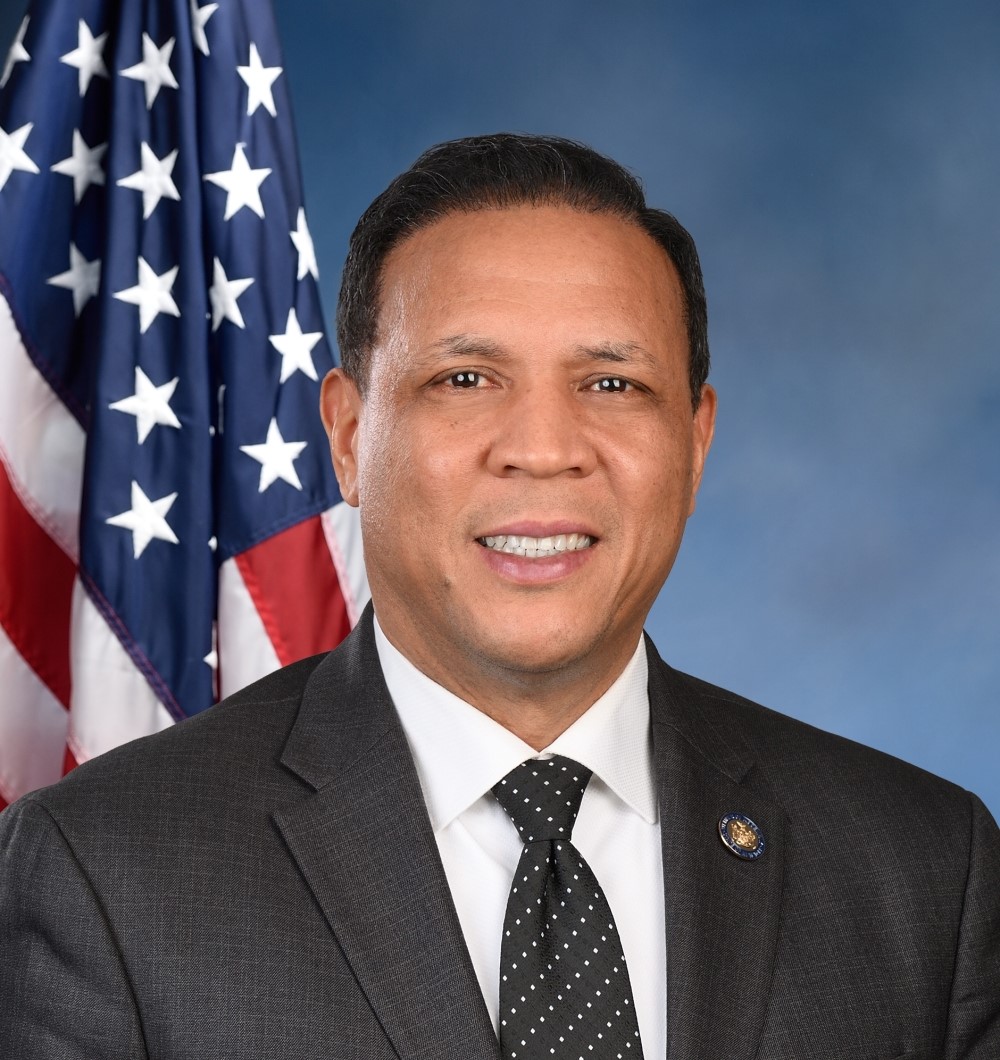
Bill Magnarelli
Bill Magnarelli House · District 129
D
Strong +
100% 27
George Alvarez
George Alvarez House · District 78
D
Strong +
100% 27
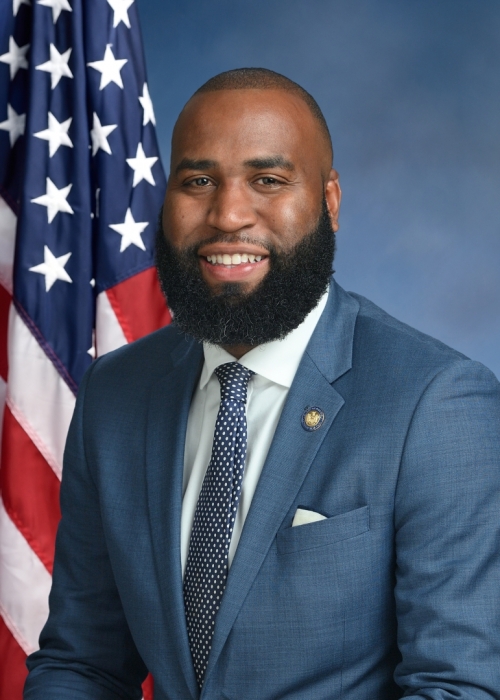
Brian Cunningham
Brian Cunningham House · District 43
D
Strong +
100% 25
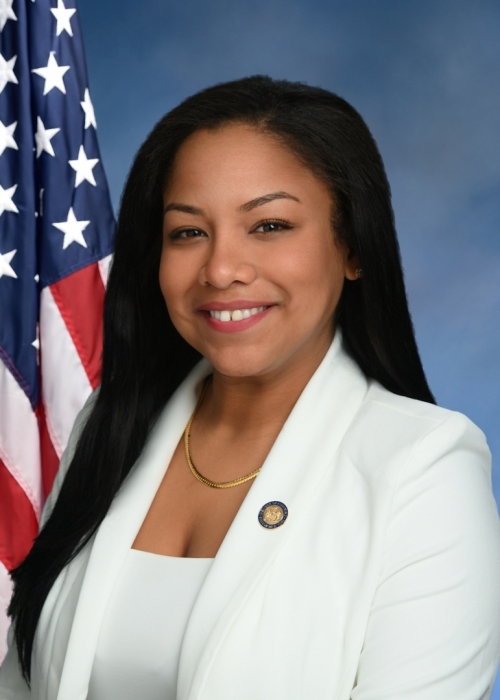
Amanda Septimo
Amanda Septimo House · District 84
D
Strong +
100% 24
Monique Chandler-Waterman
Monique Chandler-Waterman House · District 58
D
Strong +
100% 24
Chris Tague
Chris Tague House · District 102
R
Strong −
4% 28
Dave DiPietro
Dave DiPietro House · District 147
R
Strong −
4% 28
Chris Friend
Chris Friend House · District 124
R
Strong −
4% 26
Ed Ra
Ed Ra House · District 19
R
Strong −
7% 28
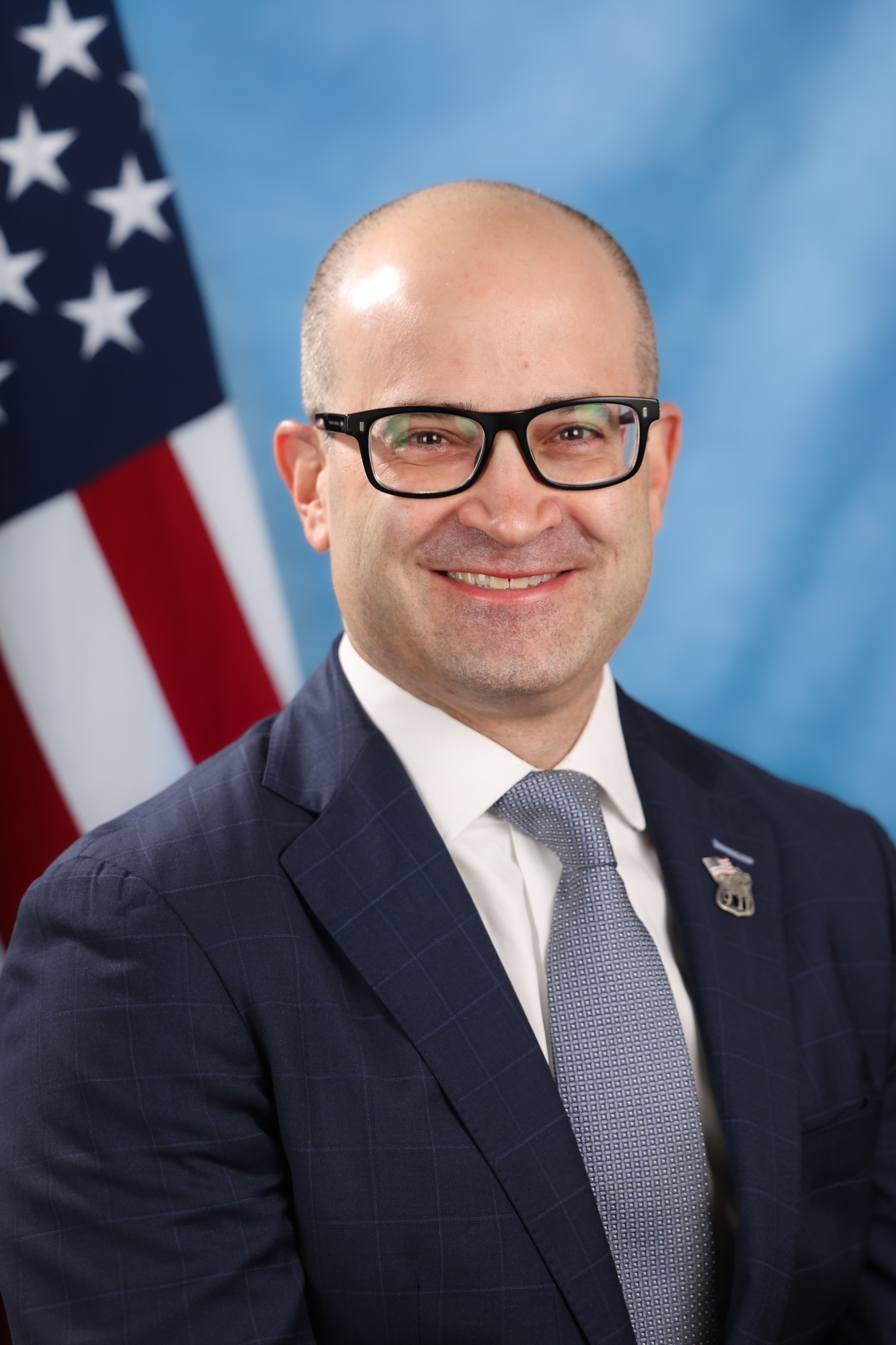
Jarett Gandolfo
Jarett Gandolfo House · District 7
R
Strong −
7% 28
Showing 1,971–1,980 of 2,153 bills

All criminal justice bills

in committee · New York · Senate Jan 7, 2026

S 942: Makes life imprisonment without parole mandatory for defendants convicted of murder in the first degree or second degree and the victim is a police officer, peace officer, first responder or correctional officer

Makes life imprisonment without parole mandatory for defendants convicted of murder in the first degree or second degree and the victim is a police officer, peace officer, first responder or correctional officer.
in committee · New York · Assembly Jan 7, 2026

A 7352: Relates to enacting the "fair court of appeals access act"

This bill, "Fair Court of Appeals Access Act," changes how criminal defendants request permission to appeal to the Court of Appeals. It requires all applications for leave to appeal from intermediate appellate court orders to be submitted directly to the full Court of Appeals (not to individual judges or justices), applying to all criminal appeals filed after the law's effective date. Key provisions include mandating written submissions to the Court of Appeals clerk (with the chief judge designating a judge to review), replacing current options where some applications could go to appellate division justices, and requiring immediate filing of all decisions. This directly affects criminal defendants seeking higher court review of lower court rulings.
Sub-Topics Courts Judges
in committee · New York · Assembly Jan 7, 2026

A 4028: Requires the disclosure of video footage related to the death of an incarcerated individual involving a correctional officer

Requires the disclosure of video footage related to the death of an incarcerated individual involving a correctional officer to the attorney general's office of special investigation.
Sub-Topics Corrections
died · New York · Senate Jun 1, 2026

S 5037: Establishes visiting policies for incarcerated individuals

Establishes visiting policies for incarcerated people, to provide incarcerated people opportunities for personal contact with relatives, friends, clergy, volunteers and other persons to promote better institutional adjustment and better community adjustment upon release.
Sub-Topics Corrections
in committee · New York · Assembly Jan 7, 2026

A 6525: Requires a sentence of life imprisonment without parole for murder in the first degree, aggravated murder, and murder in the second degree

This bill mandates a life imprisonment sentence without parole for specific murder convictions. It directly affects defendants convicted of first-degree murder involving the killing of a first responder, certain second-degree murders, or aggravated murder. The law requires courts to impose this sentence automatically in these cases, removing judicial discretion for these offenses. It does not apply to defendants under 18 at the time of the crime, who may still receive other sentencing options.
failed · New York · Assembly Apr 21, 2026

A 7327: Makes the crimes of menacing and stalking bail eligible

This bill amends New York's criminal procedure law to make menacing and stalking charges eligible for release without cash bail. It adds specific definitions of menacing (Penal Law §§ 120.13-120.15) and stalking (Penal Law §§ 120.45-120.60) to the list of offenses where defendants may be released on their own recognizance or under non-monetary conditions. The law requires prosecutors to show reasonable cause that the defendant committed the crime, but courts may still allow non-monetary release if the offense appears minor (e.g., negligible property damage). This directly affects individuals charged with these specific crimes who would otherwise face cash bail requirements.
Sub-Topics Domestic Violence
in committee · New York · Assembly Jan 7, 2026

A 407: Prohibits the use of reverse location and reverse keyword searches

Prohibits the search, with or without a warrant, of geolocation and keyword data of a group of people who are under no individual suspicion of having committed a crime, but rather are defined by having been at a given location at a given time or searched particular words, phrases, character strings, or websites.
passed · New York · Senate Jun 12, 2025

R 1245: Establishes a plan setting forth an itemized list of grantees for a certain appropriation for the 2025-2026 state fiscal year for community safety and restorative justice programs

This Senate Resolution (R 1245) requires the state to create and approve an itemized list of organizations receiving funds for community safety and restorative justice programs in the 2025-2026 fiscal year. It directly affects local government agencies, community-based nonprofits, and service providers (like victim support groups, legal aid organizations, and violence prevention programs) by mandating that all allocated funds - totaling over $1 million - must be distributed according to a Senate-approved plan. Key provisions include requiring Senate leadership and the budget director to approve the grant list or allocation method before funds are spent, and allowing limited fund transfers between state agencies like victim services or domestic violence prevention offices. The resolution specifies exact amounts for 28 grantees, including $200,000 to Empire Justice Center and $100,000 to Women's Initiative for Self-Empowerment Inc., for programs addressing issues like domestic violence, gun violence prevention, and alternatives to incarceration.
passed · New York · Senate Jun 12, 2025

R 1237: Establishes an itemized list of grantees for the 2024-25 state fiscal year for services and expenses, grants or reimbursement of expenses incurred by providers of community safety and restorative justice programs

Senate Resolution R1237 requires an itemized list of grantees for state funds allocated to community safety and restorative justice programs during the 2024-25 fiscal year. It directly affects local governments, non-profit organizations, and community-based providers offering services like survivor support for sexual assault/domestic violence, gun violence prevention, legal aid, and alternatives to incarceration. The bill mandates that any allocation plan must be approved by the Senate President and Budget Director, then passed as a Senate resolution with a majority vote. This ensures transparency in distributing funds for programs including re-entry initiatives, community supervision, and violence reduction strategies.
in committee · New York · Assembly Jan 7, 2026

A 6906: Creates the office of expungement

This bill creates a new Office of Expungement within the Division of Criminal Justice Services to manage the sealing and expungement of certain criminal convictions. It directly affects individuals with eligible convictions under New York’s Criminal Procedure Law sections 160.50, 160.55, 160.58, or 160.59. The office will inform defendants about eligibility, ensure timely processing of expungements, develop standards for accuracy, and advise state leaders on the impact of these record-clearing processes. The bill mandates state agencies to support the office in its duties, streamlining access to record clearance without changing existing eligibility criteria.
Showing 1,971 to 1,980 of 2,153 bills