Issue · Criminal Justice

Criminal Justice (Licensing)

Every criminal justice bill, vote, and legislator stance in New York, automatically classified by Maddy, our AI policy reader.

Total bills
2
2025 Regular Session
Top supporter
Bill Weber
100% support rate
Top opponent
Andrew Gounardes
0% support rate
Ranked legislators
10
5 support · 5 oppose
Key legislators

Who's moving criminal justice · licensing in New York

Legislators moving criminal justice in New York
Legislator Party Stance Support rate Votes
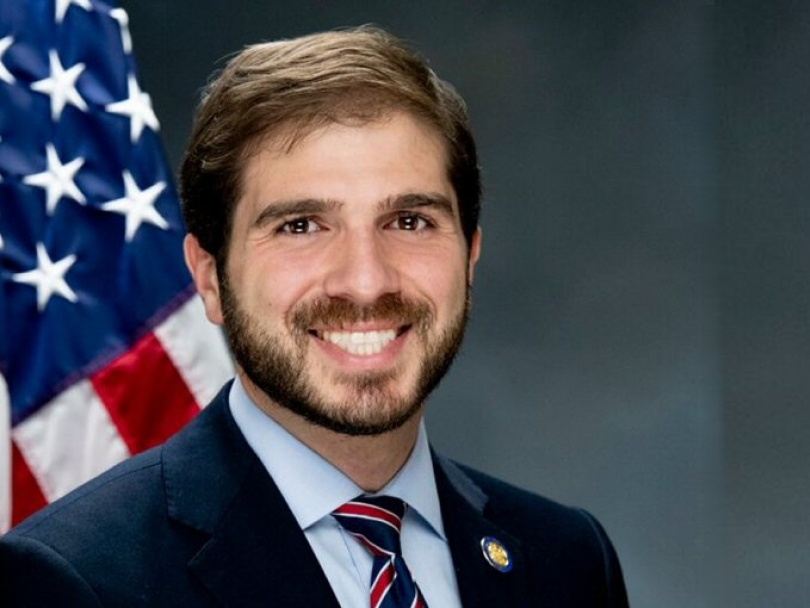
Bill Weber
Bill Weber Senate · District 38
R
Strong +
100% 3
Joe Griffo
Joe Griffo Senate · District 53
R
Strong +
100% 3
Patrick Gallivan
Patrick Gallivan Senate · District 60
R
Strong +
100% 3
Peter Oberacker
Peter Oberacker Senate · District 51
R
Strong +
100% 3
Tom O'Mara
Tom O'Mara Senate · District 58
R
Strong +
100% 3
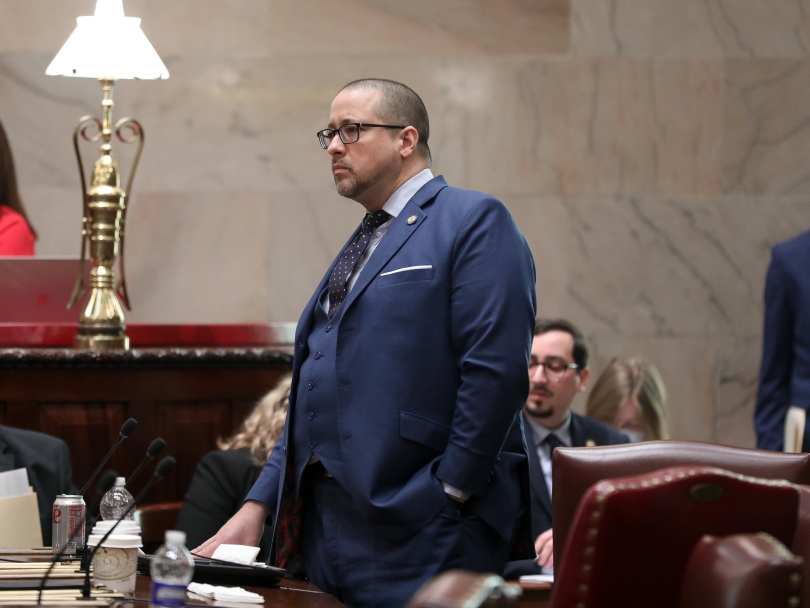
Andrew Gounardes
Andrew Gounardes Senate · District 26
D
Strong −
0% 3
Gustavo Rivera
Gustavo Rivera Senate · District 33
D
Strong −
0% 3
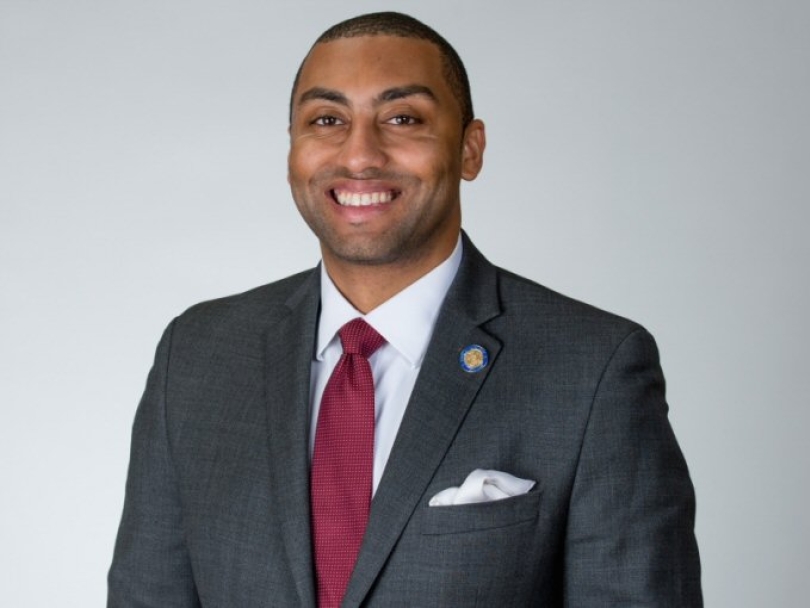
Jamaal Bailey
Jamaal Bailey Senate · District 36
D
Strong −
0% 3
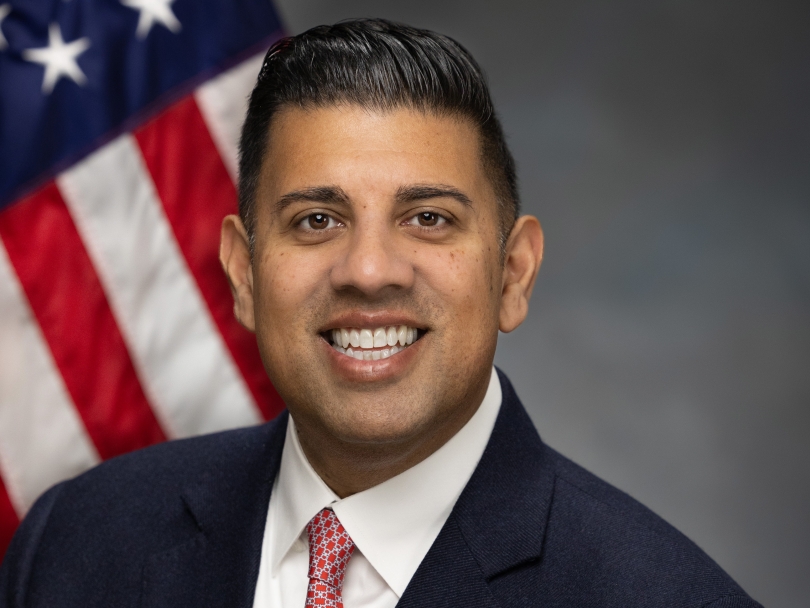
James Skoufis
James Skoufis Senate · District 42
D
Strong −
0% 3
Jeremy Cooney
Jeremy Cooney Senate · District 56
D
Strong −
0% 3
Showing 2 of 2 bills

All criminal justice bills

passed · New York · Senate May 5, 2026

S 1048: Requires public agencies to establish preliminary license application procedures to determine whether an applicant for a license would be ineligible for such license based on criminal history

Requires public agencies to establish preliminary license application procedures to determine whether an applicant for a license would be ineligible for such license based on criminal history; establishes time frames for public agencies to respond to such applications; requires public agencies to report information regarding granting licenses annually.
Tags Licensing
in committee · New York · Senate Jan 7, 2026

S 1401: Enacts the "police and peace officer licensing act"

This bill establishes a mandatory licensing system for all police and peace officers in the state, requiring licenses by January 1, 2027, with licenses valid for five years and renewal tied to continuing education. License renewal includes specific training on de-escalation techniques for mental health crises, protests, and cultural competency regarding race, ethnicity, and gender identity. It creates an independent review board to handle disciplinary actions for professional misconduct (such as excessive force), with powers to revoke licenses, impose fines, or mandate additional training. The law also revises state criminal procedure codes to require that only officers licensed under this act may serve as police or peace officers.

Sub-Topics Law Enforcement Policing Tags Licensing