Issue · Criminal Justice

Criminal Justice

Every criminal justice bill, vote, and legislator stance in New York, automatically classified by Maddy, our AI policy reader.

Total bills
2,153
2025 Regular Session
Top supporter
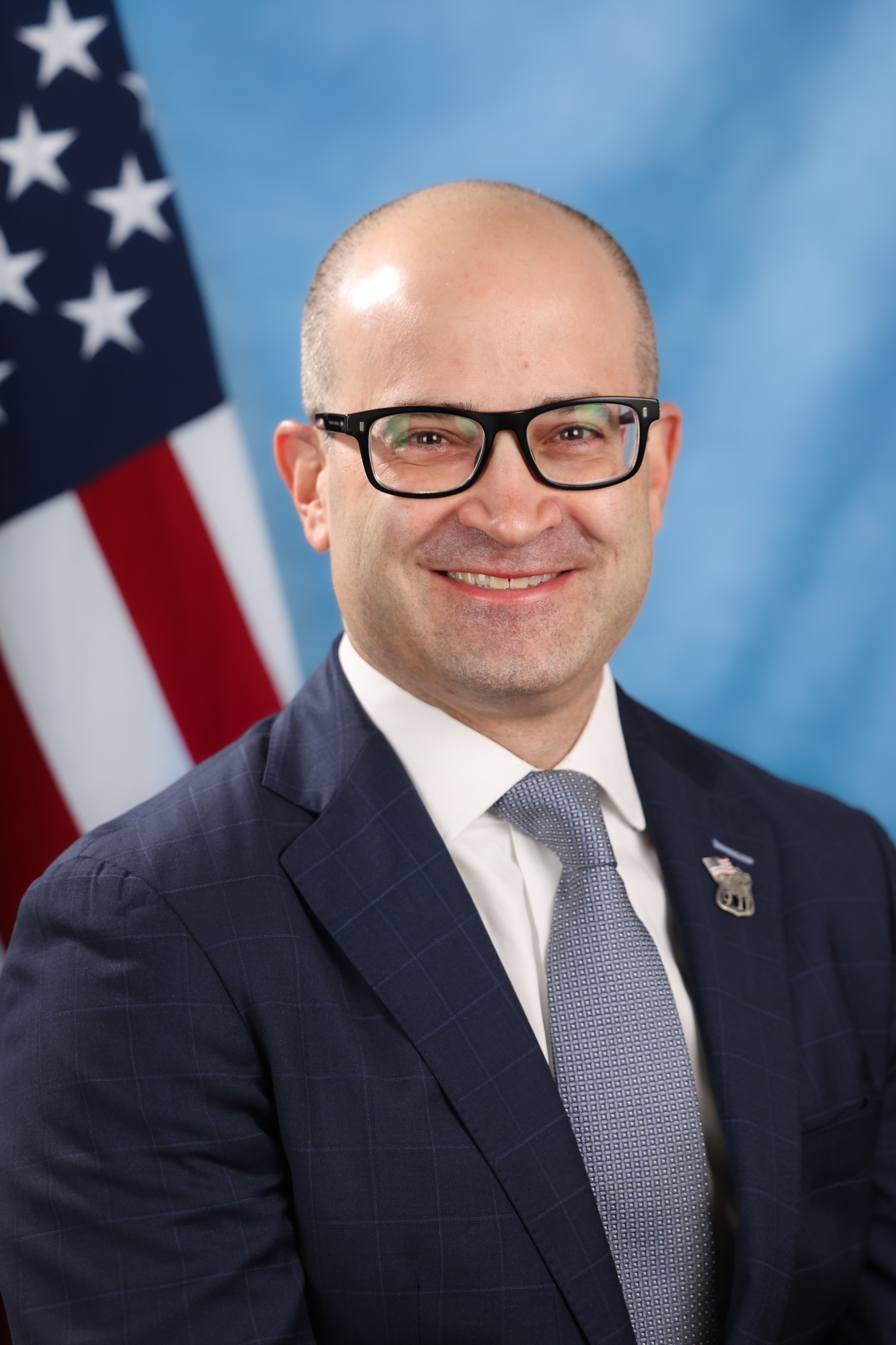
Bill Magnarelli
100% support rate
Top opponent
Chris Tague
4% support rate
Ranked legislators
10
5 support · 5 oppose
Key legislators

Who's moving criminal justice in New York

Legislators moving criminal justice in New York
Legislator Party Stance Support rate Decisive votes
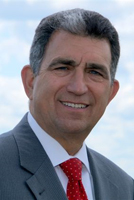
Bill Magnarelli
Bill Magnarelli House · District 129
D
Strong +
100% 27
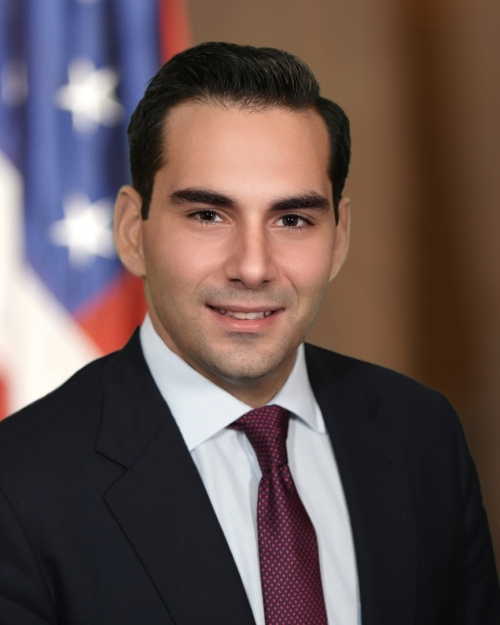
George Alvarez
George Alvarez House · District 78
D
Strong +
100% 27
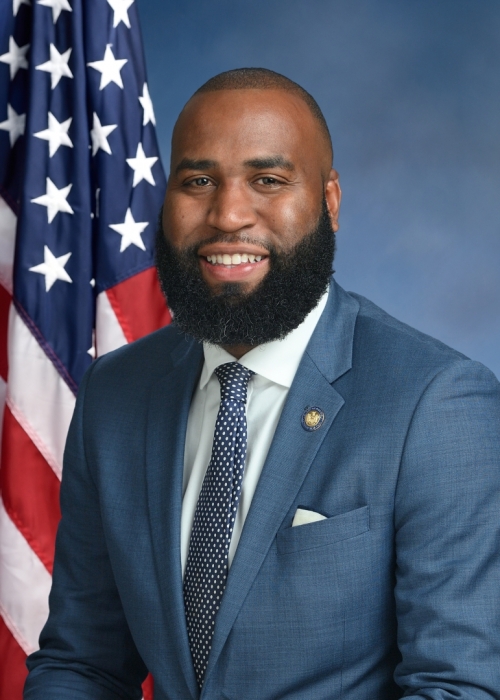
Brian Cunningham
Brian Cunningham House · District 43
D
Strong +
100% 25
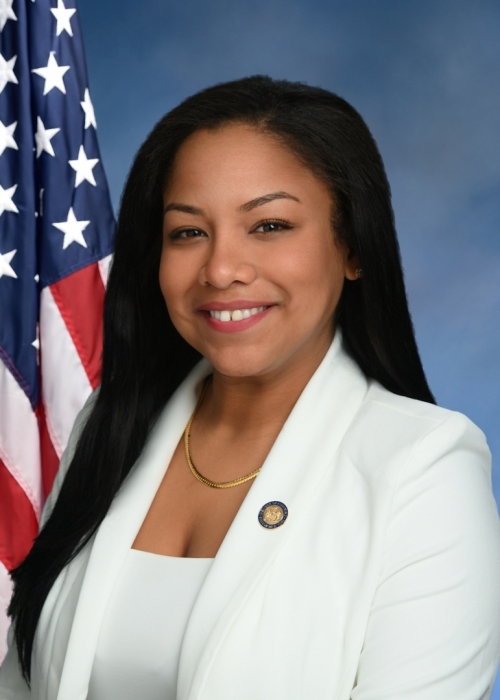
Amanda Septimo
Amanda Septimo House · District 84
D
Strong +
100% 24
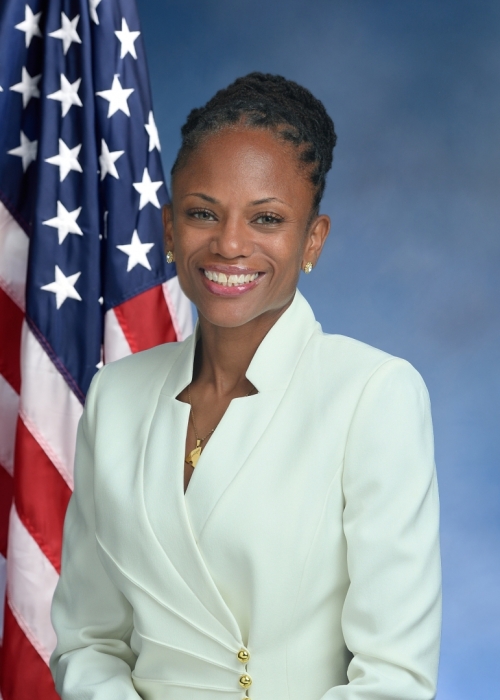
Monique Chandler-Waterman
Monique Chandler-Waterman House · District 58
D
Strong +
100% 24
Chris Tague
Chris Tague House · District 102
R
Strong −
4% 28
Dave DiPietro
Dave DiPietro House · District 147
R
Strong −
4% 28
Chris Friend
Chris Friend House · District 124
R
Strong −
4% 26
Ed Ra
Ed Ra House · District 19
R
Strong −
7% 28
Jarett Gandolfo
Jarett Gandolfo House · District 7
R
Strong −
7% 28
Showing 1,961–1,970 of 2,153 bills

All criminal justice bills

in committee · New York · Senate Jan 7, 2026

S 327: Relates to confidential informants

Relates to confidential informants; defines terms; requires the law enforcement agencies which use confidential informants to establish policies and procedures to assess the suitability of using a person as a confidential informant; makes related provisions.
Sub-Topics Law Enforcement
in committee · New York · Senate Jan 7, 2026

S 1413: Establishes the crimes of harassment of a law enforcement officer or a member of the officer's family in the first degree and second degree

S 1413 creates two new criminal offenses: "harassment of a law enforcement officer or family member in the first degree" (a felony) and "in the second degree" (a misdemeanor). First-degree harassment covers threatening communications (via phone, email, or other means) intended to cause fear for an officer's or family member's safety or property. Second-degree harassment includes physical contact, following in public, or repeated conduct that alarms officers or their families. The law directly affects anyone who targets law enforcement officers or their household members with these specific actions, with penalties ranging from a misdemeanor to a felony.
Sub-Topics Law Enforcement
in committee · New York · Assembly Jan 7, 2026

A 5110: Relates to bail for certain felony offenses involving the manufacture, sale, distribution, or possession with intent to sell synthetic opioids

Authorizes the imposition of bail for certain felony offenses involving the manufacture, sale, distribution, or possession with intent to sell synthetic opioids.
Sub-Topics Drug Policy
in committee · New York · Senate Jan 7, 2026

S 534: Establishes the crime of aggravated disorderly conduct

S 534 creates a new class A misdemeanor offense called "aggravated disorderly conduct" for individuals who obstruct traffic or block building entrances during unpermitted protests, demonstrations, or assemblies with intent to cause public alarm or recklessly create such risk. This law specifically designates aggravated disorderly conduct as a "specified offense" for hate crime prosecutions, meaning it could be treated as a hate crime if motivated by bias. The bill directly affects protest participants engaging in these specific types of obstruction without legal authorization.
Sub-Topics Civil Rights
in committee · New York · Senate Jan 7, 2026

S 4256: Requires mandatory jail time for repeat violators of orders of protection

This bill requires courts to impose a minimum 30-day jail sentence for individuals who repeatedly violate orders of protection issued to prevent family violence. It specifically applies when a person has been found to violate such an order more than once, and those violations involved committing a "family offense" as defined by New York law (such as assault or menacing). The law amends multiple statutes to mandate this minimum sentence upon repeated violations, replacing prior judicial discretion in these cases. It directly affects individuals convicted of repeated, willful breaches of court-issued protection orders related to family violence. The bill does not change penalties for first-time violations or non-violent breaches.
in committee · New York · Senate Jan 7, 2026

S 1471: Authorizes certain electronic court appearances

Authorizes electronic court appearances for criminal matters, excluding jury trials, in all counties in the state; authorizes electronic appearances for criminal matters where the court determines a personal appearance would be impractical, unsafe or excessively burdensome; authorizes sentencing to a period of incarceration to be conducted via electronic appearance for defendants who are already incarcerated.
Sub-Topics Courts Sentencing
in committee · New York · Senate Jan 7, 2026

S 2468: Relates to law enforcement agencies reporting sex offender changes of address to the division of criminal justice services

This bill requires law enforcement agencies to report sex offender address changes to the Division of Criminal Justice Services within five business days of receiving the information. It directly affects law enforcement agencies (who must submit reports) and sex offenders (who must initially register changes within 10 days). The key provision mandates that police forward registration updates to the state division within the new 5-day timeframe, while also requiring them to provide a copy to the offender and keep their own records. The bill does not change the 10-day registration deadline for offenders or the $10 fee for registration updates.
Sub-Topics Policing
in committee · New York · Senate Jan 7, 2026

S 3446: Relates to creating a contraband and drug information hotline

This bill creates a statewide, toll-free hotline for reporting contraband (including weapons, dangerous instruments, and drugs) in New York state correctional facilities. It directly affects incarcerated individuals, staff, and visitors by providing a 24/7 anonymous channel to report contraband introductions or possession. The hotline must accept all reports year-round, with the commissioner required to establish rules for its operation. The law defines "contraband" to cover specific weapons, dangerous objects, and controlled substances as outlined in existing penal codes.
Sub-Topics Drug Policy
passed both · New York · Senate May 28, 2026

S 3974: Relates to failure to complete a program for time allowances due to circumstances beyond an individual's control

This bill (S 3974) amends New York State correction law to ensure incarcerated individuals do not lose earned time allowances if they fail to complete assigned work or treatment programs due to circumstances beyond their control (e.g., medical issues or facility disruptions). It specifically revises sections of the correction law to clarify that time credits - earned through good behavior, program participation, or educational/vocational achievements - must not be withheld for such unavoidable circumstances. The policy directly affects incarcerated people in state facilities who qualify for time reductions under existing programs. The change aligns with current provisions but explicitly prevents punitive withholding of time allowances for factors outside an individual’s control.
Sub-Topics Corrections
passed · New York · Senate Apr 22, 2026

S 4357: Authorizes vocational training, where practicable, to incarcerated individuals on the installation of solar hot water systems for the provision of hot water to correctional facilities

Authorizes vocational training, where practicable, to incarcerated individuals on the installation of solar hot water systems for the provision of hot water to correctional facilities.
Sub-Topics Corrections Solar
Showing 1,961 to 1,970 of 2,153 bills