Issue · Criminal Justice

Criminal Justice

Every criminal justice bill, vote, and legislator stance in New York, automatically classified by Maddy, our AI policy reader.

Total bills
2,153
2025 Regular Session
Top supporter
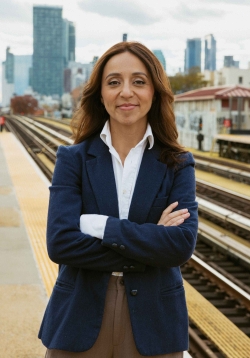
Diana Moreno
100% support rate
Top opponent
Dave DiPietro
4% support rate
Ranked legislators
10
5 support · 5 oppose
Key legislators

Who's moving criminal justice in New York

Legislators moving criminal justice in New York
Legislator Party Stance Support rate Votes
Diana Moreno
Diana Moreno House · District 36
D
Strong +
100% 39
Bill Magnarelli
Bill Magnarelli House · District 129
D
Strong +
100% 72
Keith Powers
Keith Powers House · District 74
D
Strong +
100% 42
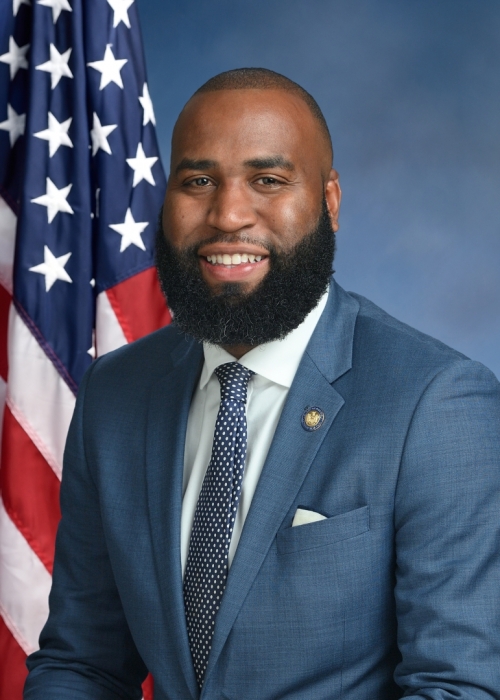
Brian Cunningham
Brian Cunningham House · District 43
D
Strong +
100% 74
George Alvarez
George Alvarez House · District 78
D
Strong +
100% 71
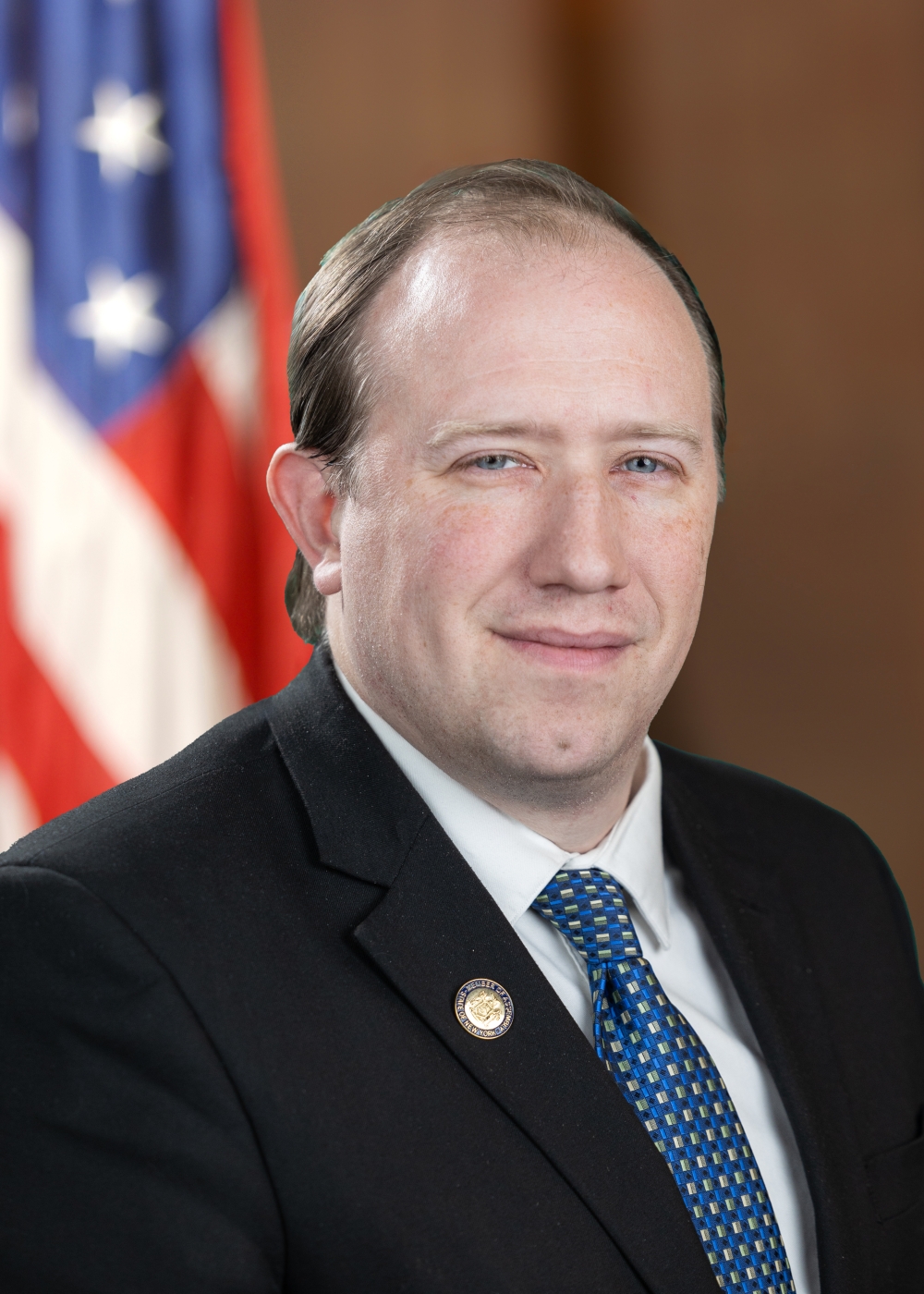
Dave DiPietro
Dave DiPietro House · District 147
R
Strong −
4% 78
Chris Tague
Chris Tague House · District 102
R
Strong −
4% 78
Chris Friend
Chris Friend House · District 124
R
Strong −
4% 74
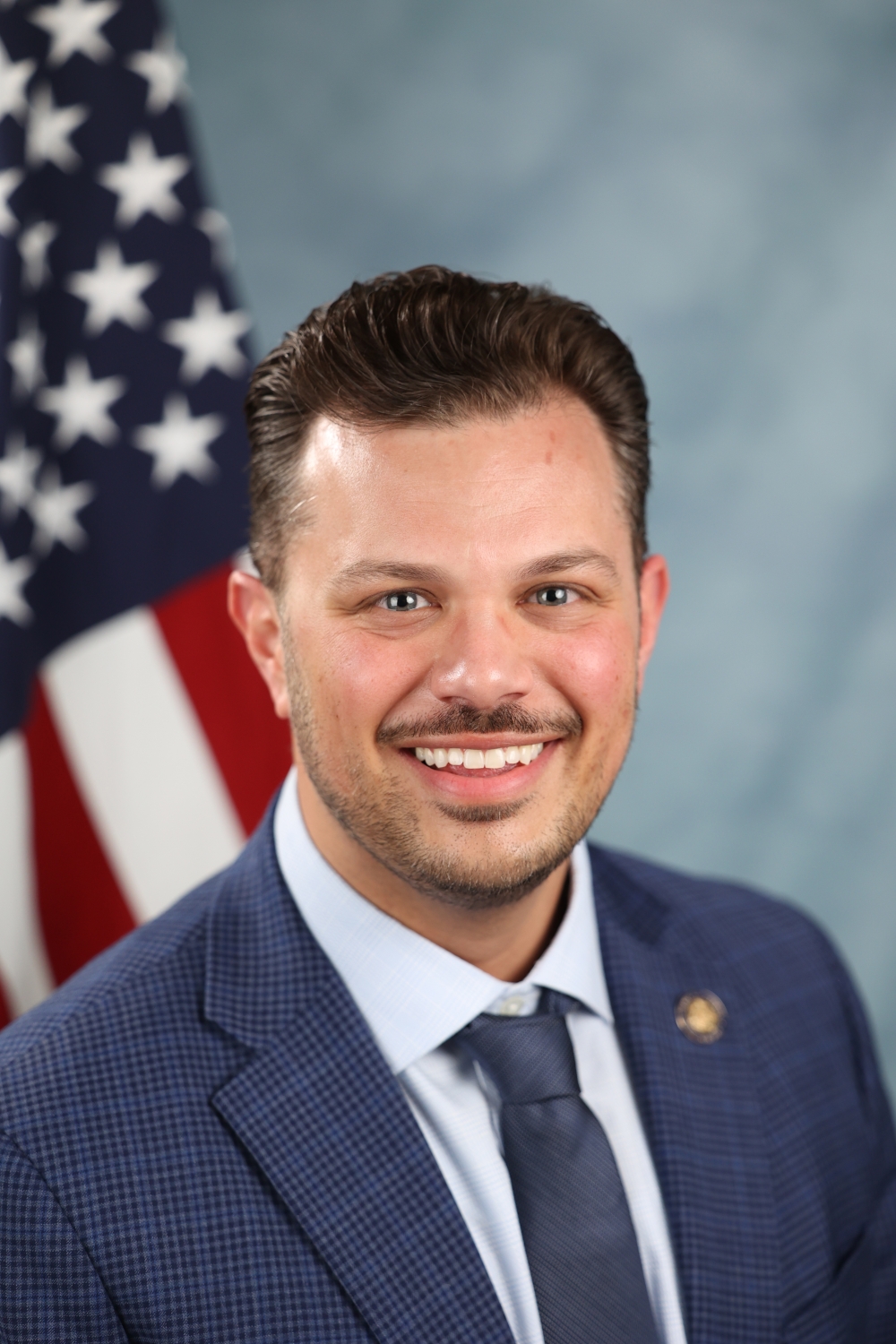
Joe Sempolinski
Joe Sempolinski House · District 148
R
Strong −
7% 78
Paul Bologna
Paul Bologna House · District 144
R
Strong −
7% 76
Showing 1,981–1,990 of 2,153 bills

All criminal justice bills

in committee · New York · Senate Jan 7, 2026

S 1405: Establishes a statewide law enforcement officer misconduct database

Directs the division of criminal justice services to establish a statewide public database covering every local police department, each county sheriff's office, the division of the state police and every agency that employs a peace officer in this state, which shall compile the names of any police or peace officer who has had their employment terminated due to misconduct.
in committee · New York · Senate Jan 7, 2026

S 4382: Creates a tax credit for employment of persons on probation or parole

This bill creates a New York state tax credit for employers who hire formerly incarcerated individuals on probation or parole. Employers receive a 35% credit against state taxes for the first $6,000 in wages paid to qualifying employees during their first year of employment. To qualify, an employee must have a felony conviction, be on probation or parole, and work full-time for at least 180 days. The credit coordinates with the federal Work Opportunity Tax Credit, using second-year wages for employees who also qualify for the federal program. The policy directly affects New York employers and formerly incarcerated individuals seeking stable employment.
in committee · New York · Senate Jan 7, 2026

S 1412: Enacts the "chronic criminal act"

This bill creates a new class E felony offense called "aggravated criminal conduct" for individuals who commit a class A misdemeanor after having three or more prior misdemeanor or felony convictions within the preceding ten years. It directly affects people with multiple prior convictions who commit a serious misdemeanor, imposing felony penalties for repeat offenses. Key provisions define qualifying prior convictions (including out-of-state offenses with similar penalties) and adjust the ten-year lookback period to exclude time spent incarcerated. The bill also includes minor procedural updates to evidence rules for grand jury proceedings, but the main policy change is the new felony classification for repeat misdemeanor offenders. This is a substantive criminal law change, not a procedural or commemorative measure.
Sub-Topics Sentencing
in committee · New York · Assembly Jan 7, 2026

A 8014: Enacts into law components of legislation relating to certain criminal justice reform in the state of New York; repealer

Enacts into law components of legislation relating to certain criminal justice reform in the state of New York; establishes law enforcement officer grant funds (Part A); provides judges more discretion regarding securing orders and limiting the lengths of certain orders (Part B); requires affirmative consent for the disclosure of contact information of witnesses to a defendant; provides that denial of such consent shall only be for good cause as determined by the court (Part C); relates to consideration of the death penalty for the commission of certain provisions of murder in the first degree (Part D).
Sub-Topics Courts
in committee · New York · Senate Jan 7, 2026

S 5370: Relates to claims for unjust conviction

This bill creates a legal process for people wrongfully convicted and imprisoned to seek state compensation. To qualify, claimants must prove innocence (through DNA evidence, a pardon for innocence, or a court-ordered conviction reversal on specific grounds), show they didn't cause their own conviction, and demonstrate they served time. Compensation must be at least $1 million per year of wrongful incarceration, plus reasonable attorney fees. Claims based on prior pardons or dismissals must be filed within two years.
in committee · New York · Senate Jan 7, 2026

S 7510: Provides for the creation and maintenance of digital records for each incarcerated individual

Provides for the creation and maintenance of digital records for each incarcerated individual which includes all medical records, including but not limited to mental health records and results of drug or alcohol tests, work records and evaluations, conduct records and programming records.
Sub-Topics Corrections
in committee · New York · Assembly Jan 7, 2026

A 3182: Relates to the justification for the use of force in a homicide by a peace officer or police officer

This bill establishes new legal standards for when police officers may use deadly force. It states officers can only use deadly force if they reasonably believe it's necessary to prevent imminent death or serious injury to themselves or others, or to arrest someone for a violent felony that caused death or serious injury. The law requires officers to consider alternatives when safe and evaluate situations from the perspective of a reasonable officer at the time, not with hindsight. It specifically notes people with disabilities are more likely to experience excessive force during police interactions and are involved in a significant portion of fatal encounters. The bill directly affects police officers' use of force decisions and impacts individuals interacting with law enforcement, particularly those with disabilities.
in committee · New York · Senate Jan 7, 2026

S 1707: Creates the office of the correctional ombudsperson

Creates the office of the correctional ombudsperson to achieve transparency, fairness, impartiality and accountability in New York state correctional facilities; relates to reports by coroners; designates investigators of the office of the correctional ombudsperson as peace officers; authorizes the attorney general to investigate the alleged commission of any criminal offense committed by an employee of the department of corrections and community supervision in connection with their official duties; relates to the confidentiality of certain records; includes the office of the correctional ombudsperson records within the definition of public safety agency records; makes related provisions.
in committee · New York · Senate Jan 7, 2026

S 5972: Relates to authorizing voting by incarcerated individuals in correctional facilities; repealer

Relates to authorizing voting by incarcerated individuals in correctional facilities; requires the department of corrections and community supervision, in collaboration with the state and county boards of election, to establish a program to facilitate incarcerated individuals voter registration and voting.
passed · New York · Senate May 29, 2026

S 6442: Directs the commissioner of the division of criminal justice services to study gender disparity in sentencing outcomes

Directs the commissioner of the division of criminal justice services to study gender disparity in sentencing outcomes and make a report to the governor and the legislature of their findings, conclusions and recommendations.
Sub-Topics Sentencing
Showing 1,981 to 1,990 of 2,153 bills